





What's Happening?
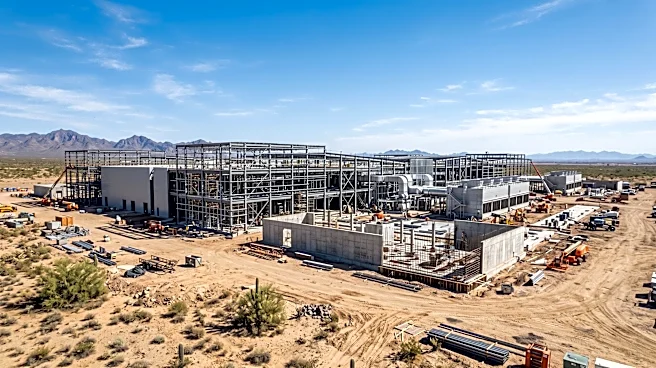
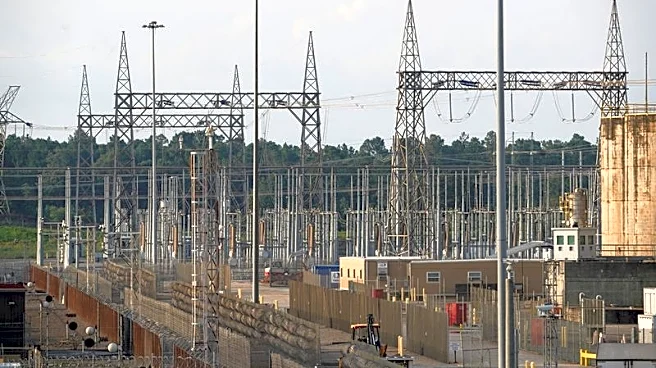
Board members of the Salt River Project (SRP), a utility company, are evaluating the implementation of a temporary moratorium on new data center interconnection agreements. This consideration stems from a nationwide power crunch, largely driven by the substantial
energy demands of massive data centers. During a recent consultation, SRP's chief legal executive, Michael O’Connor, indicated that over half of the utility's planned capacity growth by 2035, estimated at 4,700 megawatts, could be allocated to new data centers. This unprecedented demand raises concerns among board members, including Ken Clark, who represents SRP’s sixth division, about potential cost shifting to residential customers. Despite these concerns, O’Connor noted that state law mandates SRP to serve any eligible customer, making a moratorium difficult to enact unless safety concerns are explicitly identified. Director-at-large Kathy L. Mohr-Almeida questioned whether the existential risks associated with artificial intelligence could constitute such a safety concern.
Why It's Important?
The debate within SRP highlights a critical challenge facing utility providers across the U.S.: balancing the rapid growth of the digital economy, particularly the AI and data center boom, with the need to ensure affordable and reliable energy for all customers. If residential customers end up subsidizing the energy costs of data centers, it could lead to increased utility bills and economic strain for households. The situation also underscores the limitations of local utility companies in regulating energy demand from large-scale industrial consumers, often constrained by state laws that mandate service provision. This could prompt legislative action at the state level to address the unique energy demands and societal impacts of emerging technologies like AI. The discussion also touches upon the broader ethical and safety implications of AI, suggesting that its rapid development could have far-reaching consequences beyond energy consumption.
What's Next?
SRP's board members will continue to explore their options for managing the energy demands of data centers. While a direct moratorium faces legal hurdles due to state laws requiring utilities to serve all eligible customers, alternative solutions are being implemented. John Tucker, SRP’s director of financial strategy, detailed two new tariffs approved last year for large energy customers. These tariffs require data centers to pay upfront for an estimated 80% of their peak energy demand and associated transmission costs, an industry-leading level of developer collateral. This measure aims to ensure that data centers cover their infrastructure, operations, and maintenance costs, preventing cost shifting to other customer classes. The ongoing discussions may also prompt legislative bodies to consider new regulations or policies specifically addressing the energy consumption of data centers and the broader implications of AI development.
Beyond the Headlines
The SRP board's deliberations reveal a deeper tension between technological advancement and resource sustainability. The rapid expansion of data centers, essential for AI and other digital services, is placing immense pressure on existing energy infrastructure and potentially exacerbating environmental concerns. The question raised by Director Mohr-Almeida regarding AI's potential to 'eliminate humanity' introduces a philosophical and ethical dimension to utility planning, suggesting that the societal impact of technology might need to be considered in infrastructure decisions. This scenario could set a precedent for how local and state governments approach the regulation of high-energy industries, potentially leading to new frameworks that integrate environmental, social, and ethical considerations into economic development policies. The focus on upfront collateral payments also indicates a shift towards making large energy consumers more directly accountable for their infrastructure impact.