



What's Happening?
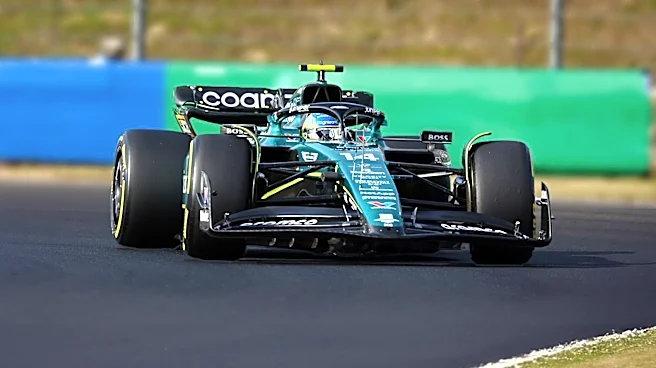
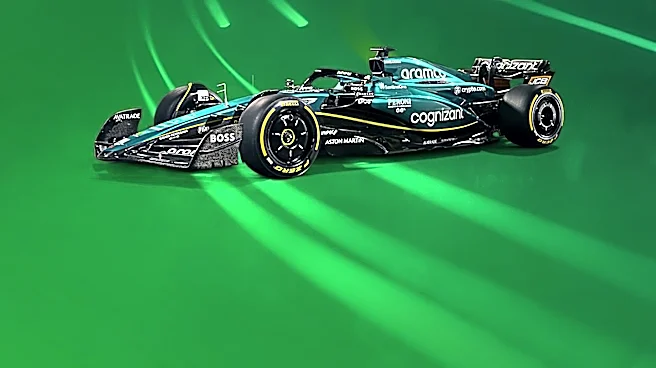
Aston Martin is set to trial a new Honda power unit at the Hungaroring, marking an early debut ahead of the Formula 1 summer shutdown. This development comes after the Hungarian Grand Prix, where Aston Martin's drivers, Lance Stroll and Fernando Alonso,
finished 13th and 14th respectively. The team, which has been working on significant upgrades under the guidance of Adrian Newey, will use a filming day to test the new engine. Honda, Aston Martin's power unit provider, confirmed that the new engine will be integrated into the AMR26 chassis during this session. This move is part of a strategic effort to gather vital data and improve performance for the upcoming races, particularly the Dutch Grand Prix scheduled for late August.
Why It's Important?
The introduction of a new power unit is a critical step for Aston Martin as it seeks to enhance its competitiveness in the Formula 1 championship. The early testing of the Honda engine could provide the team with a significant advantage, allowing them to fine-tune their car's performance before the next race. This development is particularly important as the team aims to close the gap with leading constructors like Mercedes and Ferrari. The successful integration and performance of the new engine could impact the team's standings and influence the dynamics of the championship race. Additionally, this move underscores the importance of strategic partnerships in Formula 1, highlighting Honda's role in Aston Martin's quest for improved results.
What's Next?
Following the testing at Hungaroring, Aston Martin will enter the mandatory summer shutdown, during which no development work is allowed. The team will resume activities in preparation for the Dutch Grand Prix at Zandvoort, where the new engine will be used in competitive conditions for the first time. The upcoming race will be crucial for assessing the effectiveness of the upgrades and the team's ability to compete with top-tier teams. Stakeholders, including team management and sponsors, will closely monitor the performance outcomes to evaluate the return on investment in the new power unit.