








What's Happening?
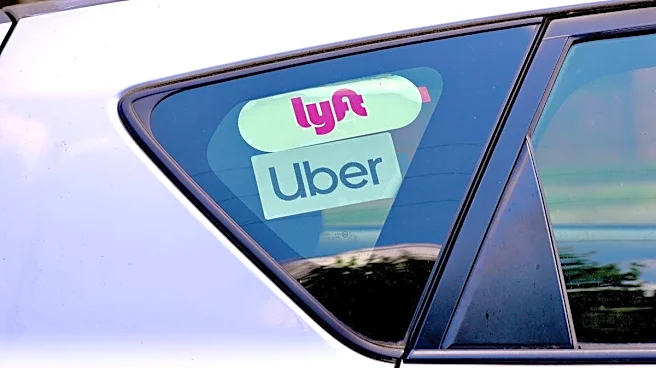
Consumer Reports has conducted an investigation into Uber and Lyft's pricing strategies, revealing significant discrepancies in fares for identical rides. The study involved 175 participants nationwide, showing that prices varied even when rides were
requested simultaneously from the same location. The investigation also highlighted concerns about misleading discounts and fictitious pricing. Uber and Lyft dispute these findings, attributing price differences to dynamic market conditions. The report suggests that the companies may be retaining a larger share of fares, impacting drivers' earnings.
Why It's Important?
The findings raise questions about transparency and fairness in ride-sharing pricing, potentially affecting consumer trust and driver satisfaction. As ride-sharing becomes increasingly popular, understanding pricing mechanisms is crucial for consumers seeking cost-effective transportation options. The investigation may prompt regulatory scrutiny and calls for greater transparency in pricing practices. Additionally, the report's implications for driver earnings could influence labor relations and policies within the gig economy.
What's Next?
Some states are beginning to address concerns about ride-sharing pricing practices, with Maryland and Connecticut enacting restrictions on surveillance pricing. Other states, including California, Pennsylvania, and New York, are considering broader bans. As regulatory discussions continue, ride-sharing companies may need to adapt their pricing models to comply with new laws and maintain consumer trust.