



What's Happening?
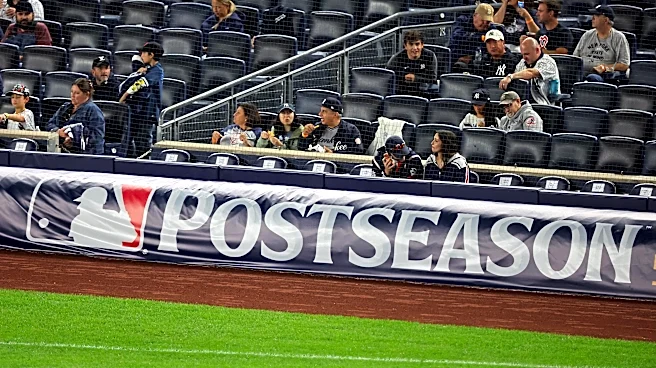
Major League Baseball (MLB) is introducing a variety of new and unique concession items for its postseason games. These culinary creations aim to elevate the ballpark experience during the more significant playoff matchups. Among the highlighted new offerings
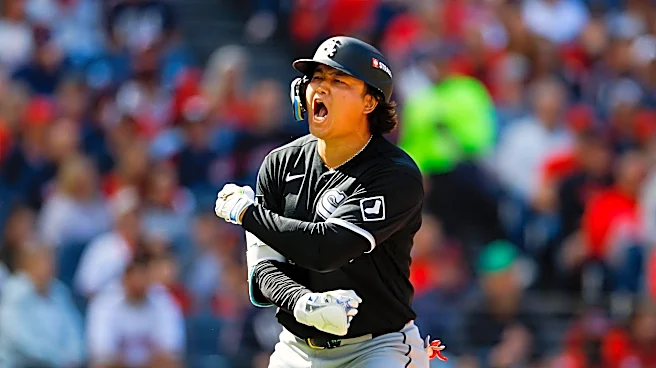
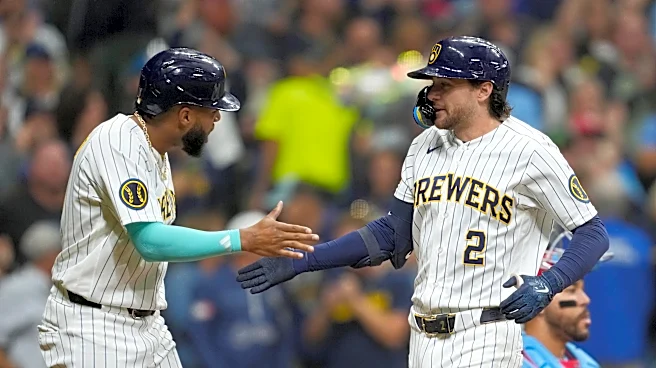
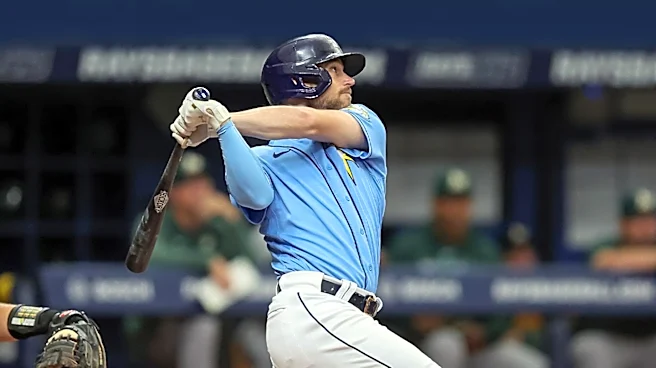
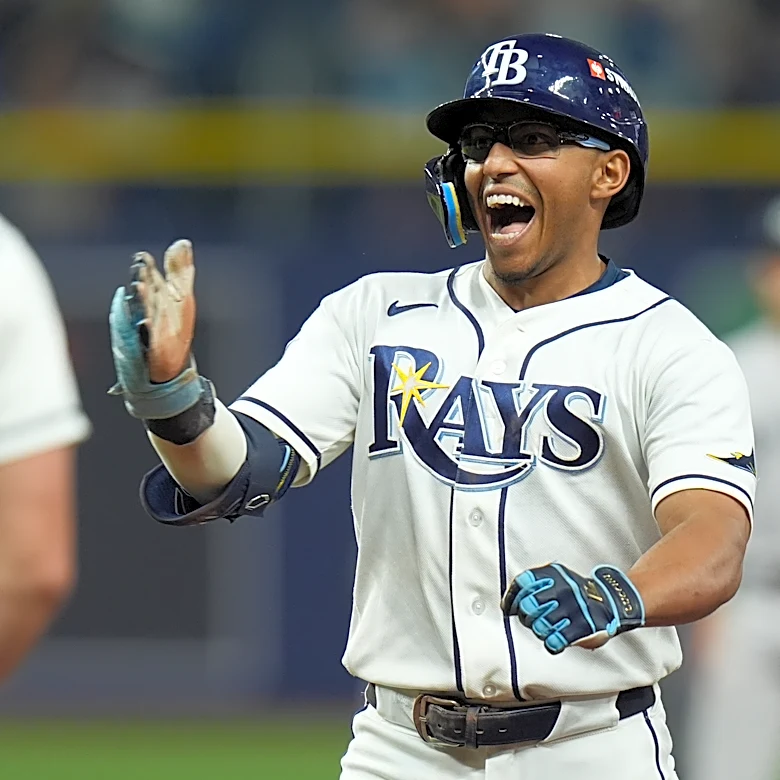
is the Tampa Bay Rays' 'Clubhouse Tomahawk,' an 18-ounce Wagyu bone-in ribeye. This dish was specifically created for Rays designated hitter Yandy Diaz, who was seen enjoying it in the clubhouse on September 11 when the team secured a playoff spot. Other teams are also participating in this trend, with the Los Angeles Dodgers offering items like the 'Colossal Burger,' 'Churro Waffle Ice Cream Sandwich,' 'Wing Sampler,' and 'Orange Chicken Fries.' The Atlanta Braves are featuring 'The Long Ball,' 'Smokehouse Feast,' and 'Jalapeño Slugger.' The Chicago White Sox have introduced the 'Mega Machete,' 'Double Dutch Celly Sunday,' 'Muneshot Sushi Push-Pop' (a nod to first baseman Munetaka Murakami, featuring lobster claw meat, caviar, avocado, cucumber, and spicy mayo), and a 'Spiked Pumpkin Spiced Latte.' The Cleveland Guardians are serving a 'Bacon Jalapeño Footlong Dog,' while the Milwaukee Brewers have a 'Dino Rib' (over 1.5 pounds of smoked beef rib). The San Diego Padres are offering a 'Tuna Poke Crunchy Taco' and a 'Surf and Turf Sandwich.' These new items follow a regular season trend that saw popular creations such as the Texas Rangers' 'Rally Sombrero' and the New York Yankees' 'Chicken Bucket.'
Why It's Important?
The introduction of elaborate and unique food items during the MLB postseason signifies a growing trend in professional sports to enhance the fan experience beyond the game itself. This strategy aims to attract a broader audience and increase revenue streams for teams and ballparks. By offering gourmet and specialty foods, MLB teams are catering to evolving consumer preferences for diverse and high-quality culinary options at entertainment venues. This move can boost concession sales, create social media buzz, and generate additional media coverage, thereby increasing the overall appeal and profitability of postseason games. The focus on unique, team-specific items, like the 'Clubhouse Tomahawk' for the Rays, also fosters a sense of local identity and fan engagement, making the ballpark visit a more memorable and exclusive event. This trend could influence other sports leagues and entertainment venues to similarly innovate their food and beverage offerings, potentially setting new standards for event-day hospitality and consumer engagement.
What's Next?
As these new concession items gain traction during the MLB postseason, it is likely that teams will monitor their popularity and sales performance. Successful items may become permanent fixtures in future seasons or inspire new culinary innovations. Other sports franchises and entertainment venues will likely observe the impact of these offerings on fan engagement and revenue, potentially leading to a broader adoption of similar high-end or unique food strategies across the U.S. sports and entertainment industry. There could also be increased competition among teams to create the most talked-about or extravagant food items, further pushing the boundaries of ballpark cuisine. Additionally, the success of these items might lead to partnerships between sports organizations and celebrity chefs or local restaurants, further diversifying the food landscape at sporting events.
Beyond the Headlines
This trend reflects a broader cultural shift where food has become an integral part of the entertainment experience, moving beyond basic stadium fare to gourmet offerings. It highlights how sports venues are transforming into comprehensive entertainment destinations, where the culinary experience is as much a draw as the game itself. This evolution can also be seen as a response to the increasing competition for consumer leisure spending, with venues needing to offer more than just the core event to attract and retain audiences. The emphasis on unique, Instagrammable food items also taps into the social media culture, where sharing experiences online amplifies marketing and brand visibility. This strategy not only enhances the fan experience but also positions sports venues as culinary innovators, potentially influencing broader trends in the food service industry for large-scale events.