


What's Happening?
The creator economy is undergoing a significant transformation, moving beyond a focus on single platforms to a more diversified, multi-platform business model. This shift is driven by the inherent risks associated with relying on one platform, such as sudden
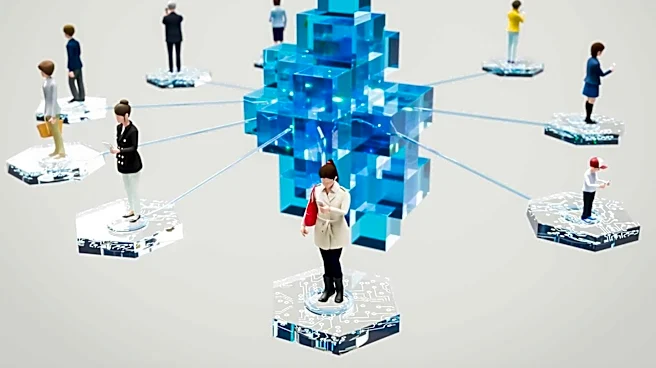
algorithm changes, altered monetization policies, or shifts in audience behavior. Creators are increasingly building 'ecosystems' where a core idea can be adapted across various formats and platforms, each serving different roles in discovery, engagement, community building, or monetization. This approach aims to create a more resilient and sustainable business, akin to portfolio diversification in traditional finance. Instead of simply having an audience on one channel, creators are developing comprehensive businesses that manage multiple revenue streams and audience touchpoints. This strategic evolution is becoming a business decision rather not just a content strategy, as creators seek to mitigate the 'concentration risk' of single-platform dependency.
Why It's Important?
This evolution is crucial for the long-term viability and professionalization of the creator economy in the U.S. By diversifying across platforms, creators can protect their income and audience relationships from the unpredictable nature of individual social media platforms. This reduces the vulnerability of creators to unilateral decisions made by platform owners, fostering greater independence and stability. For businesses and advertisers, this means a more sophisticated landscape for partnerships, moving from single-post sponsorships to integrated campaign ecosystems across multiple channels. This shift also highlights the growing importance of direct-to-consumer relationships, with creators focusing on building owned audiences through newsletters and private communities, rather than solely relying on borrowed distribution channels. The professionalization of content creation, with an emphasis on strategic planning and data-driven decisions, signifies a maturing industry that demands more robust business practices.
What's Next?
The creator economy is expected to see continued professionalization, with an increased focus on data-driven strategies and the development of sustainable, long-term brands. Creators will likely invest more in understanding audience behavior across different platforms and building content architectures that allow for efficient repurposing of core ideas. Management agencies and digital strategists will play an increasingly vital role in helping creators navigate this complex landscape, offering expertise in omnichannel presence, data analytics, and scalability. The emphasis will be on creating a 'growth architect' model, where managers handle logistics and strategy, allowing creators to focus on content. Furthermore, the industry will likely see more sophisticated measurement challenges as cross-platform engagement and monetization become the norm, requiring new tools and methodologies to track audience overlap and conversion effectively.
Beyond the Headlines
The move towards multi-platform ecosystems has deeper implications for the power dynamics between creators and platforms. By reducing reliance on any single platform, creators gain more leverage and control over their intellectual property and audience relationships. This could lead to a more equitable distribution of value within the digital economy, as creators are better positioned to negotiate terms and protect their interests. Ethically, this shift encourages creators to prioritize genuine audience connection and value creation over chasing fleeting algorithmic trends. Culturally, it reinforces the idea of creators as legitimate media entities, operating small to medium-sized businesses that require strategic foresight and robust infrastructure. This transformation underscores a broader societal trend where individual expertise and creativity can be directly monetized, challenging traditional employment models and fostering a new class of digital entrepreneurs.