




What's Happening?
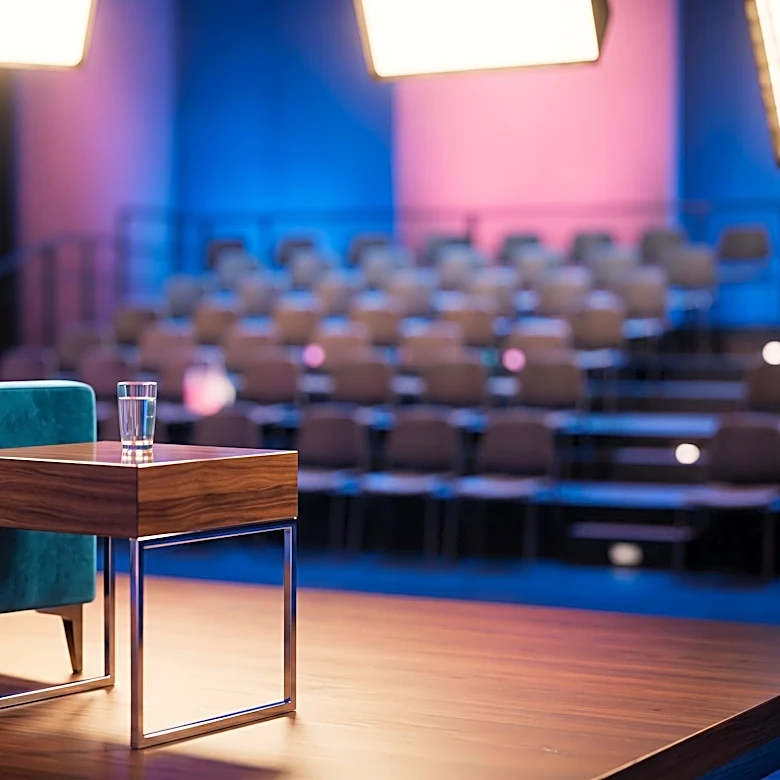
During a performance of 'Electra/Persona' at the National Theatre in London, actress Cate Blanchett paused the show to speak directly to audience members who were filming. Blanchett noted that while she understood the desire to film curtain calls, recording
the actual performance detracts from the experience for others in attendance. She emphasized the importance of being present in the moment, stating, 'There are few places on this planet where we can simply be together and be present.' The Academy-winning actress, who began her career in theater, highlighted that filming spoils the show for subsequent audiences. The play, directed by Benedict Andrews, features Blanchett alongside Nina Hoss.
Why It's Important?
This incident underscores a growing tension between live performance etiquette and the pervasive use of personal recording devices. For the U.S. entertainment industry, particularly Broadway and other live theater venues, this event serves as a high-profile example of an issue many performers and producers grapple with. The unauthorized filming of live shows can infringe on intellectual property rights, diminish the unique, ephemeral quality of live art, and disrupt the immersive experience for paying audience members. Performers like Blanchett are advocating for the preservation of the live theater experience, which relies on a shared, unmediated connection between artists and their audience. The widespread availability of high-quality recording devices makes enforcement challenging, but the stance taken by a prominent figure like Blanchett could influence audience behavior and venue policies globally, including in the U.S.
What's Next?
Following this public address by a renowned actress, it is possible that more theaters, both in London and potentially in the U.S., may re-evaluate and reinforce their policies regarding audience filming. Venues might implement stricter warnings, more visible signage, or increased staff presence to monitor and address unauthorized recording. This event could also spark further discussions within the entertainment industry about how to balance audience engagement with the integrity of live performances. While direct legal action against individual filmer is rare, the collective impact of such incidents could lead to industry-wide campaigns promoting 'unplugged' theater experiences. Audiences might also become more conscious of their behavior, recognizing the impact on fellow attendees and performers.
Beyond the Headlines
Beyond the immediate issue of filming, Blanchett's statement touches on a broader cultural shift towards constant documentation and the challenge of maintaining 'presence' in an increasingly digital world. Her comment, 'There are few places on this planet where we can simply be together and be present,' speaks to a deeper societal concern about how technology mediates our experiences. In the context of live art, this raises questions about authenticity, shared communal experience, and the value of unrecorded moments. The incident highlights an ethical dimension: the right of an artist to control their work's presentation and the right of an audience to an undisturbed experience, versus an individual's desire to capture and share. This tension is not unique to theater but is amplified in live settings where the performance is inherently fleeting and designed for immediate, collective consumption.