







What's Happening?
The U.S. Bureau of Labor Statistics (BLS) is set to release the Jobs Report for October 2026 on Friday, November 6, 2026, at 8:30 a.m. Eastern Time (13:30 GMT). This comprehensive report will include key metrics such as Nonfarm Payrolls, the Unemployment
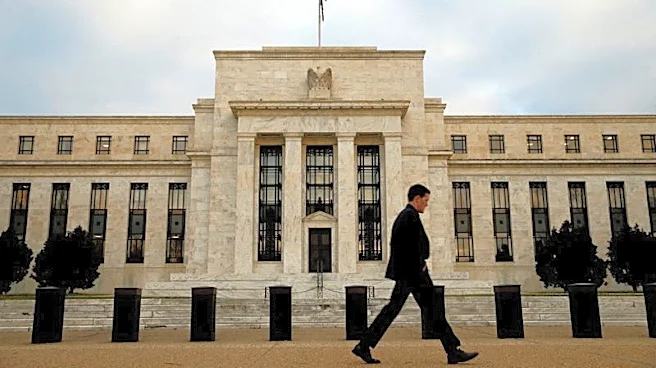
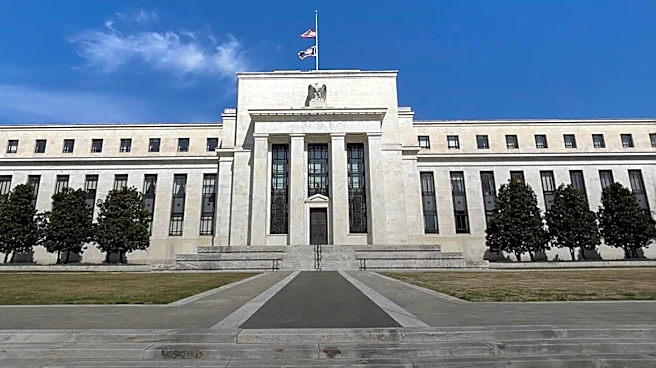
Rate, and Average Hourly Earnings. Economists are anticipating approximately 60,000 new jobs to have been created, a figure generally considered sufficient to sustain growth in the job market. The previous report for September 2026 indicated a gain of 29,000 jobs, with average hourly earnings at $37.81, marking a 3.0% year-over-year increase, and a labor force participation rate of 61.8%. The Federal Reserve's interest rate decisions are heavily influenced by this labor data, making the report a critical economic indicator that often leads to significant market volatility across various financial instruments.
Why It's Important?
The October 2026 Jobs Report holds substantial importance as it directly impacts the Federal Reserve's monetary policy, particularly its interest rate trajectory. The Federal Open Market Committee (FOMC) operates with a dual mandate of achieving price stability and maximum employment. As of late October 2026, the federal funds rate target range is between 3.75% and 4.00%. A strong jobs report, characterized by robust payroll growth and rising wages, could signal a tightening labor market, potentially prompting the Fed to consider interest rate hikes to curb inflation. Conversely, a weaker report might suggest a loosening labor market, potentially easing pressure for rate increases. This data is crucial for traders and investors, as it influences expectations for future interest rates, leading to immediate and often dramatic shifts in forex markets, gold prices, and equity indices. The report's details, including revisions to prior months' data, can significantly alter market sentiment and investment strategies.
What's Next?
Following the release of the October 2026 Jobs Report, financial markets are expected to react swiftly and potentially with high volatility. Traders will closely analyze the headline Nonfarm Payrolls figure, the unemployment rate, and wage growth to form a composite signal about the health of the economy. Institutional traders will also scrutinize prior-month revisions, which can often negate or amplify the impact of the current month's data. The Federal Reserve will use this information as a primary input for its upcoming policy meetings, with market participants repricing probabilities of future rate adjustments. For instance, a stronger-than-expected report could increase the likelihood of a rate hike at the Fed's next meeting, while a weaker report might reduce such expectations. Investors will also monitor how different asset classes, such as the U.S. dollar, Treasury yields, gold, and stock indices, respond to the data, as these reactions will provide further insights into market sentiment regarding the economic outlook and future monetary policy.
Beyond the Headlines
Beyond the immediate market reactions, the October 2026 Jobs Report offers deeper insights into the structural health and direction of the U.S. economy. The report's components, such as average weekly hours worked, can serve as early indicators of economic deceleration, as companies often reduce hours before resorting to layoffs. Wage inflation dynamics are also critical; sustained increases in average hourly earnings could signal persistent inflationary pressures, influencing long-term consumer purchasing power and corporate profitability. Conversely, declining wages might indicate an easing labor supply, potentially impacting consumer spending and overall economic growth. The report also highlights the ongoing challenge for the Federal Reserve in balancing its dual mandate, as strong employment figures can sometimes conflict with price stability goals. The interplay between job growth, wage trends, and inflation will continue to shape broader economic narratives, influencing policy debates and long-term investment strategies across various sectors of the U.S. economy.