




What's Happening?
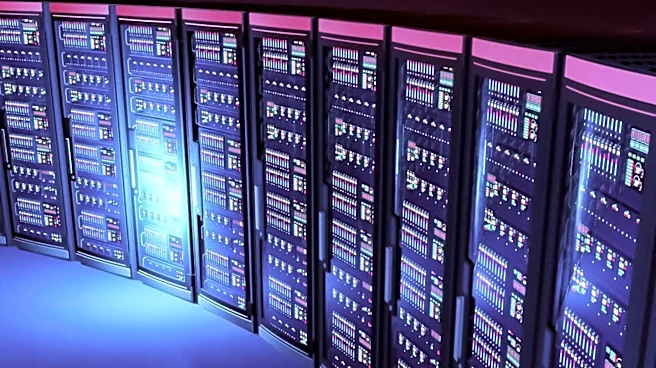
The Oklahoma City Council is scheduled to reconsider final rezoning ordinances for two properties located near I-40 and Frisco Road. These properties are part of a larger proposed data center campus. The decisions regarding these rezoning requests have
been repeatedly postponed since March, and both items are now back on the council's agenda for review. Specifically, one site is situated at 3025 N. Frisco Road, and the other at 13921 NW 23rd Street. The proposed rezoning aims to change the current classifications of these properties from agricultural and existing planned development zoning into new planned unit development districts. The Oklahoma City Planning Commission has previously recommended the approval of both requests, contingent on technical review conditions. However, the council's agenda indicates that necessary easements have not yet been secured. For each ordinance to pass, a minimum of five affirmative votes from the council members are required.
Why It's Important?
This reconsideration by the Oklahoma City Council is significant for the city's economic development and infrastructure. The approval of these rezoning requests would pave the way for the establishment of a substantial data center campus, which could bring new technology jobs and investment to the region. Data centers are critical infrastructure in the digital age, supporting cloud computing, internet services, and various technological advancements. The delays in approval, ongoing since March, highlight potential complexities in balancing development needs with community concerns or regulatory requirements. The need for five affirmative votes underscores the importance of broad consensus among council members for such a large-scale project. The project's progression could signal Oklahoma City's commitment to attracting high-tech industries, potentially diversifying its economy and enhancing its profile as a tech-friendly hub. Conversely, continued delays or rejection could deter future large-scale technology investments.
What's Next?
The Oklahoma City Council will proceed with considering the final rezoning ordinances for the two data center properties. The immediate next step involves the council members casting their votes, with at least five affirmative votes required for each ordinance to pass. Should the rezoning be approved, the developers would then likely move forward with securing the outstanding easements and commencing the development phases of the data center campus. If the ordinances fail to pass, the developers may need to revise their proposals, address the council's concerns, or explore alternative locations. The outcome of this vote will also be closely watched by other potential investors and developers considering large-scale projects in Oklahoma City, as it will indicate the city's regulatory environment and its receptiveness to significant industrial developments. Further discussions or negotiations regarding the easements could also take place, potentially influencing the project's timeline.
Beyond the Headlines
The ongoing deliberation over the data center rezoning in Oklahoma City touches upon broader themes of urban planning, technological infrastructure, and environmental considerations. Large data centers require significant resources, including land, electricity, and water, which can raise questions about their long-term impact on local utilities and natural resources. The shift from agricultural land to planned unit development districts reflects a common tension in rapidly growing cities between preserving traditional land uses and accommodating modern industrial needs. Furthermore, the establishment of such a campus could transform the local job market, creating demand for specialized technical skills and potentially attracting a new demographic of residents. The council's decision will not only determine the fate of this specific project but also set a precedent for how Oklahoma City approaches future large-scale industrial and technological developments, influencing its economic trajectory and urban landscape for years to come.