





What's Happening?
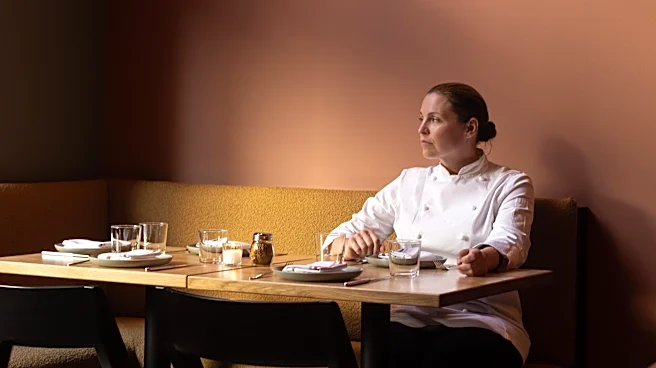
Michelin-starred Israeli chef Assaf Granit, in collaboration with business partner Tomer Lanzman and chef Dan Yosha, has launched a new establishment named VIVI in central Tel Aviv. This venture deviates significantly from Granit's previous culinary projects,
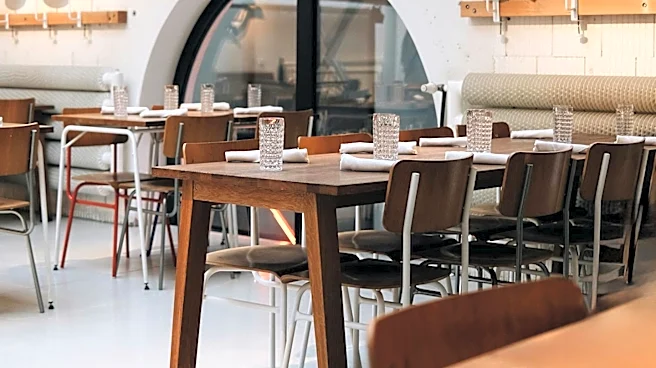
as it is primarily a boutique combining flowers, home design, and wine, rather than a traditional restaurant. The space is meticulously curated with flowers, candles, unique decorative items, and a selection of Italian and French wines, alongside ALEF, an Israeli wine produced in partnership with Granit. Food offerings are minimal and serve a supporting role, limited to coffee, pastries, small sandwiches in the mornings, and pickles, fruit, charcuterie, and cheeses in the evenings. VIVI is not designed for takeaway food or as a delicatessen, emphasizing a lifestyle concept where visitors can enjoy a glass of wine without necessarily making a purchase of flowers or home goods. The investment in this modest-sized shop is substantial, reportedly around $2 million.
Why It's Important?
This new venture by a renowned chef like Assaf Granit signifies a potential shift in the hospitality industry, moving beyond traditional restaurant models to embrace multi-concept lifestyle spaces. For consumers, it offers a different kind of experience, blending retail with a casual social environment, which could appeal to those seeking unique, curated spaces rather than solely dining-focused establishments. The substantial investment in a non-traditional food venue by a high-profile chef also indicates confidence in this hybrid business model. It challenges the conventional expectations associated with Michelin-starred chefs, suggesting an evolution in how culinary figures leverage their brand and creativity. This could inspire other entrepreneurs to explore similar integrated retail and hospitality concepts, potentially diversifying urban commercial landscapes and consumer leisure options.
What's Next?
The success of VIVI could influence future ventures by other prominent chefs and hospitality groups, potentially leading to a trend of hybrid retail-lifestyle spaces. If VIVI proves profitable and popular, it might encourage more investment in concepts that blend dining with other consumer interests like home decor, floristry, or art. The establishment will likely be observed by industry analysts to see if this model can sustain itself and attract a consistent clientele, especially given the limited food menu. Its performance could also dictate whether similar high-investment, multi-concept boutiques become a more common feature in urban centers, offering a new avenue for consumer spending and leisure activities. The initial public reception and social media commentary will be crucial in shaping its immediate future and broader industry perception.
Beyond the Headlines
VIVI's concept touches upon deeper trends in consumer behavior, particularly the desire for experiential retail and curated environments. In an increasingly digital world, physical spaces that offer a unique aesthetic and a multi-sensory experience can stand out. This venture also highlights the evolving role of chefs as lifestyle curators, extending their influence beyond the kitchen into broader design and aesthetic realms. The emphasis on atmosphere and curated objects over an extensive menu reflects a shift towards valuing the overall 'vibe' and aesthetic of a place as much as, if not more than, its primary offering. This could signal a long-term trend where brands and personalities in the food industry seek to create immersive lifestyle experiences that cater to a more holistic consumer desire for beauty, comfort, and unique social interactions.