




What's Happening?
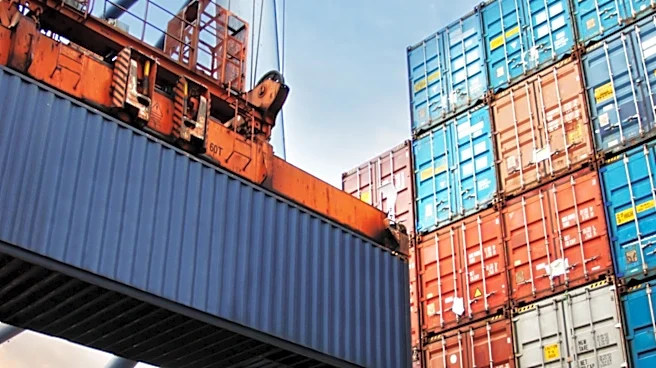
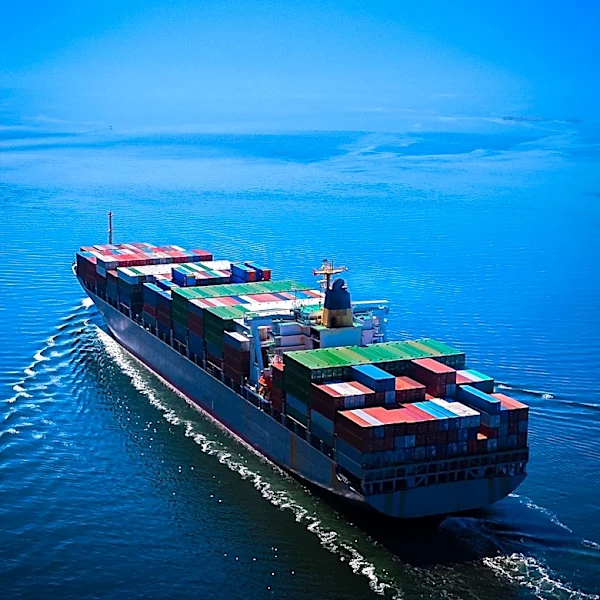
Multilateral trade agreements are pacts involving numerous countries, often spanning multiple regions, with the primary goal of fostering international trade by diminishing trade barriers. These barriers can include tariffs, quotas, and administrative
hurdles. Unlike bilateral agreements, which involve two countries, or regional agreements, which are confined to a specific geographical area, multilateral agreements seek the broadest possible coverage, establishing common trading rules across many economies. While they offer the widest potential reach for market integration, reaching consensus among participating nations can be challenging due to diverse economic priorities and varying levels of bargaining power. A common misconception is that 'regional' simply means more than two countries; however, it specifically refers to geographically connected nations, whereas multilateral agreements can include countries from anywhere in the world.
Why It's Important?
The implementation of multilateral trade agreements holds significant importance for the U.S. economy and global commerce. By reducing trade barriers, these agreements can open up new markets for American businesses, potentially increasing exports and stimulating economic growth. U.S. industries, from agriculture to technology, stand to gain from expanded market access and reduced costs associated with international trade. Consumers may also benefit from a wider variety of goods at potentially lower prices due to increased competition. However, the complexity of negotiating these agreements, given the diverse interests of many nations, means that progress can be slow. The U.S. plays a crucial role in shaping these agreements, and their success or failure can impact American competitiveness on the global stage, influencing job creation, investment, and overall economic stability. The ability of these agreements to deliver practical outcomes on shared problems is key to their effectiveness.
What's Next?
The ongoing efforts to establish and refine multilateral trade agreements will continue to shape the landscape of international commerce. Future developments will likely involve continued negotiations within existing frameworks, such as the World Trade Organization (WTO), to address evolving trade challenges and integrate new economic realities. The U.S. will remain a central player in these discussions, advocating for policies that benefit its economic interests while navigating the complexities of global cooperation. The effectiveness of these agreements will depend on the willingness of participating countries to overcome divergent priorities and commit to shared rules. The potential for new agreements to emerge, or for existing ones to be expanded or modified, will be a continuous process, with each step having implications for global trade flows and economic relationships.
Beyond the Headlines
Beyond the immediate economic impacts, multilateral trade agreements carry deeper implications for international relations and global governance. They represent a commitment to cooperation and shared prosperity, fostering interdependence among nations. The process of negotiating these agreements can also serve as a platform for diplomatic engagement, building trust and understanding between diverse cultures and political systems. However, challenges such as protectionist sentiments, geopolitical tensions, and differing regulatory standards can complicate their formation and implementation. The ethical dimension of these agreements often involves balancing national interests with global equity, ensuring that the benefits of trade are distributed fairly and that environmental and labor standards are upheld. The long-term shift towards a more interconnected global economy, driven by these agreements, necessitates continuous adaptation and a nuanced understanding of their multifaceted effects on societies worldwide.