







What's Happening?
The practice of AI distillation, which involves training one AI model using the outputs of another, is posing a significant threat to the profitability of the U.S. AI industry. This technique allows companies to replicate advanced AI models quickly and
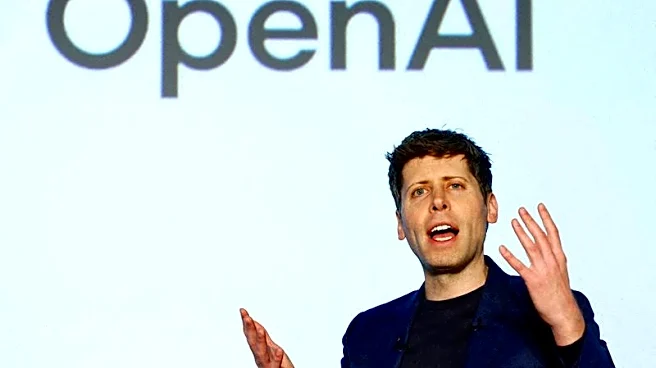
cheaply, undermining the substantial investments made by U.S. tech giants like Anthropic, OpenAI, and Google. These companies have accused Chinese firms of using distillation to develop competitive models, which could erode the returns on billions of dollars spent on research and development. The issue has sparked concerns about the sustainability of the current business model in the AI sector, as distillation could lead to increased competition and reduced profit margins.
Why It's Important?
The rise of AI distillation as a competitive strategy highlights the challenges faced by the U.S. AI industry in maintaining its leadership position. As companies in China and other countries leverage distillation to develop advanced models, U.S. firms may struggle to justify their high investment costs. This situation could lead to a shift in the global AI landscape, with potential implications for innovation, economic growth, and national security. The debate over distillation also raises questions about intellectual property rights and the ethical use of AI technologies. Addressing these challenges will require coordinated efforts from industry leaders, policymakers, and international stakeholders to ensure a fair and sustainable AI ecosystem.