




What's Happening?
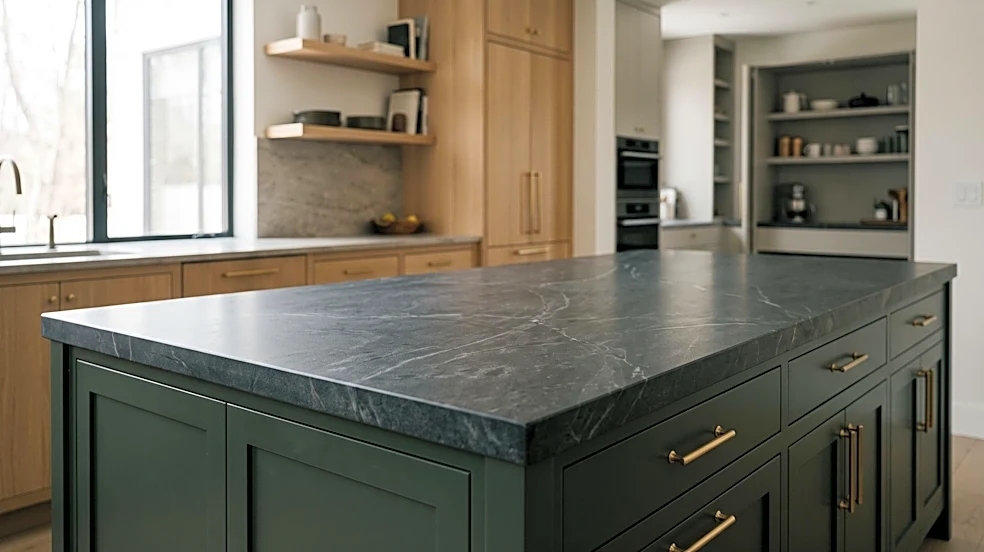
Author Radhi Devlukia is promoting a new approach to kitchen design, emphasizing its role in calming the nervous system rather than solely serving as a utilitarian workspace. Contrary to minimalist trends, Devlukia suggests displaying beautiful produce
on countertops to add warmth, color, and a connection to nature and the current season. She also advocates for keeping favorite ceramics visible, as visual pleasantness can positively impact one's nervous system. To manage clutter, Devlukia maintains a strict three-appliance limit on countertops, with a dedicated zone for these tools. Scent is another crucial element, with essential oil diffusers used throughout the home, reserving specific scents like citrus, sage, and lavender for the kitchen to signal a time for slowing down and resetting. Devlukia also highlights the importance of clear organization within cabinets, labeling items, and grouping ingredients to ensure frictionless daily movement and prevent frustration.
Why It's Important?
This perspective on kitchen design challenges conventional wisdom by prioritizing emotional and psychological well-being alongside functionality. By transforming the kitchen into a 'sanctuary for the senses,' Devlukia's approach could influence interior design trends, encouraging homeowners to consider the holistic impact of their living spaces. The emphasis on natural elements like fresh produce and specific scents aligns with growing interests in mindfulness and wellness within daily routines. This shift could lead to increased demand for products that support this philosophy, such as aesthetically pleasing storage solutions, high-quality diffusers, and even smart appliances designed to reduce daily stressors. For individuals, adopting these practices could foster a greater sense of calm and connection in their homes, potentially improving overall well-being by integrating moments of awareness into everyday tasks.
What's Next?
Homeowners may increasingly adopt these principles, leading to a shift in how kitchens are designed and utilized. Interior designers and home decor retailers might begin to offer more products and services tailored to creating 'wellness kitchens,' focusing on sensory experiences and emotional comfort. The concept of 'mindfulness' in kitchen routines, such as using smart appliances that encourage brief mental pauses, could become more prevalent. Brands like KitchenAid, which collaborated with Devlukia on the MindFULLness Fridge, may continue to innovate with features that support a calmer, more intentional kitchen experience. Additionally, there could be a rise in workshops or guides focused on implementing these wellness-oriented kitchen practices, further integrating mindfulness into domestic life.
Beyond the Headlines
The deeper implication of Devlukia's philosophy is a re-evaluation of the home environment's role in mental health. By consciously designing spaces to soothe the nervous system, individuals can create micro-environments that actively contribute to stress reduction and emotional regulation. This extends beyond mere aesthetics, touching upon the psychological impact of clutter, visual stimuli, and olfactory cues. It suggests a cultural shift towards viewing home spaces not just as functional areas but as integral components of personal well-being strategies. This approach could also influence architectural design, promoting more thoughtful integration of sensory elements and natural light in residential planning, ultimately fostering healthier and more harmonious living environments.