
What's Happening?
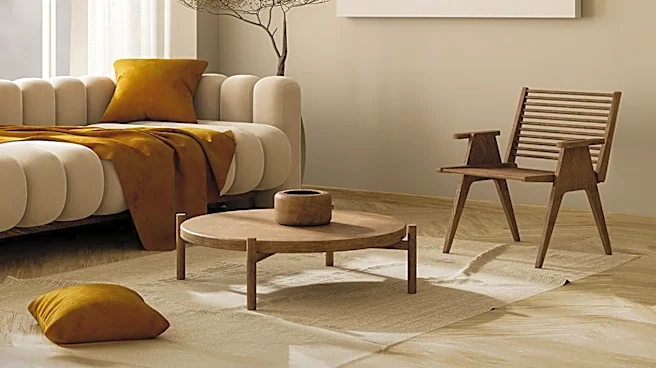
Japandi style, an interior design trend, is gaining traction by merging Japanese minimalism with Scandinavian hygge. This aesthetic emphasizes a neutral color palette, natural materials, low-profile furniture, and ample empty space. It incorporates the Japanese philosophy
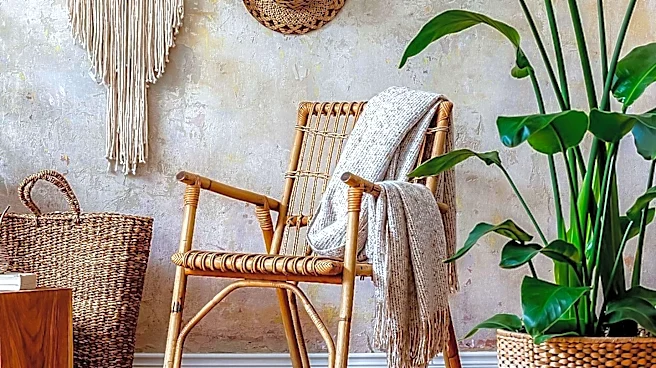
of wabi-sabi, which values imperfection and handmade objects, alongside Scandinavian design principles of warmth, comfort, and clean lines. The result is a calm, lived-in atmosphere that avoids the starkness often associated with pure minimalism. Key elements include warm wood tones, natural fibers like rattan and linen, and unglazed ceramics. The style prioritizes functionality and thoughtful selection of fewer, purposeful items over excessive decor. It encourages a blend of lighter Scandinavian woods (oak, ash) with darker Japanese woods (walnut) to create contrast through texture rather than color. The design ethos focuses on creating a serene environment that feels both understated and inviting, making it a popular choice for those seeking a balanced and tranquil living space.
Why It's Important?
The rise of Japandi style reflects a broader shift in consumer preferences towards sustainable, mindful, and less cluttered living environments. This design trend offers an alternative to fast-paced consumerism by advocating for quality over quantity and appreciating the inherent beauty of natural, often imperfect, materials. For the U.S. interior design industry, this means a growing demand for furniture and decor that aligns with these principles, potentially boosting manufacturers and retailers specializing in natural wood, artisanal crafts, and minimalist aesthetics. It also influences architectural trends, promoting open spaces and natural light. Homeowners are increasingly seeking designs that foster well-being and tranquility, making Japandi a relevant choice for modern living. The emphasis on functionality and decluttering can also impact consumer habits, encouraging more deliberate purchasing decisions and a focus on creating harmonious personal spaces.
What's Next?
As Japandi style continues to evolve, it is likely to influence various sectors of the home goods market. We can anticipate an increase in product lines featuring natural materials, muted color palettes, and minimalist designs from furniture manufacturers and home decor brands. Interior designers may further integrate Japandi principles into their projects, offering clients spaces that prioritize calm and functionality. Educational content and workshops on sustainable living and minimalist design are also expected to grow, catering to individuals interested in adopting this aesthetic. Furthermore, the style's emphasis on craftsmanship and unique, handmade items could lead to a resurgence in demand for local artisans and small businesses specializing in pottery, textiles, and custom furniture. The trend may also inspire architectural innovations that blend traditional Japanese and Scandinavian elements into new residential and commercial developments.
Beyond the Headlines
Beyond its aesthetic appeal, Japandi style embodies a deeper cultural synthesis, reflecting a global appreciation for design philosophies that prioritize harmony, simplicity, and connection to nature. The integration of wabi-sabi, with its acceptance of transience and imperfection, offers a counter-narrative to the pursuit of flawless, mass-produced goods. This philosophical underpinning encourages a more mindful approach to consumption and living, fostering an environment where objects tell a story and spaces evoke a sense of peace. The style's popularity also highlights a growing desire for authenticity and a rejection of overly ornate or ostentatious designs. It suggests a cultural shift towards valuing experiences and well-being over material accumulation, potentially influencing broader lifestyle choices and promoting a more sustainable way of life in the long term. This blend of Eastern and Western design principles signifies a cross-cultural dialogue that enriches contemporary aesthetics and promotes a more holistic approach to home environments.