





What's Happening?
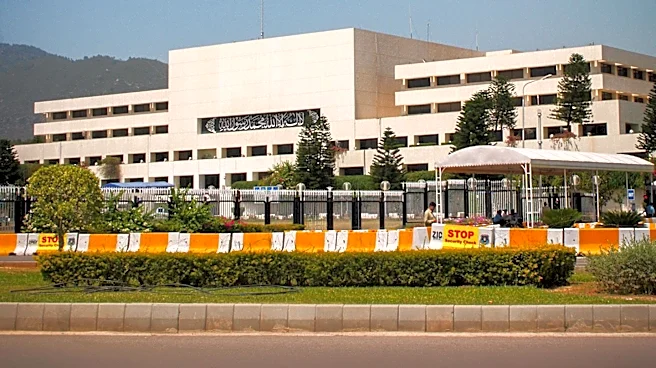
Pakistan's federal government has implemented a new petrol pricing mechanism, requiring oil refineries to transfer approximately 49 rupees from each liter of petrol to the petroleum levy account. This decision, made by the federal cabinet, aims to offset
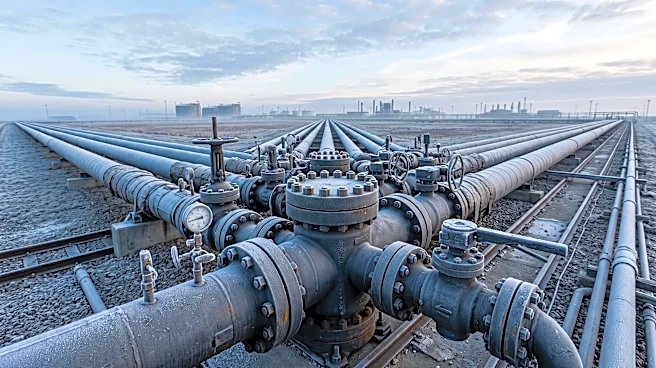
a 14.71 rupees per liter reduction in the petroleum levy for consumers. Industry representatives, however, have voiced concerns that this change could force refineries to sell petrol below cost. The new mechanism calculates the refinery ex-refinery price of petrol by fixing premium, incidentals, and customs duty at March 7, 2026, levels. The difference between the import price, based on Pakistan State Oil's actual costs, and this revised ex-refinery price must be transferred to the petroleum levy account. Refinery executives, including the vice chairman of Cnergyico Pk, stated that the decision was made without prior consultation and could lead to negative gross refining margins, especially for companies importing more expensive crude oil from the United States.
Why It's Important?
This policy shift in Pakistan's petrol pricing mechanism carries significant implications for the country's oil industry and potentially for international crude oil suppliers, including the United States. If Pakistani refineries are compelled to sell petrol below cost, it could destabilize the domestic refining sector, potentially leading to reduced investment in upgrades and operational challenges. For U.S. crude oil exporters, a negative refining margin in Pakistan could diminish the attractiveness of U.S. crude, which is noted as being more expensive than Middle Eastern grades. This could impact trade flows and the competitive landscape for crude oil sales to Pakistan. Furthermore, the redirection of customs duty reimbursement, previously intended for refinery upgrade projects, could jeopardize the financial viability of multi-billion-dollar investments in Pakistan's refining infrastructure, affecting long-term energy security and industrial development.
What's Next?
The immediate consequence of this new pricing mechanism is likely to be continued discussions and potential disputes between the Pakistani government and oil refineries. Industry representatives are expected to advocate for a revision of the policy, highlighting the financial strain it places on their operations. The government may face pressure to re-evaluate the mechanism to ensure the sustainability of the domestic refining industry while still managing the petroleum levy. The long-term impact will depend on whether the government adjusts the policy or if refineries are forced to absorb significant losses, which could lead to reduced production, import dependency, or even closures. The policy's effect on the financial viability of refinery upgrade projects will also be a critical area to monitor, as it could influence Pakistan's future energy independence and refining capacity.
Beyond the Headlines
The controversy surrounding Pakistan's new petrol pricing mechanism underscores a broader challenge faced by governments in balancing consumer affordability with the economic health of critical industries. While the intent to reduce the petroleum levy for consumers is clear, the method chosen risks undermining the refining sector. This situation highlights the complex interplay between fiscal policy, industrial regulation, and market dynamics in the energy sector. It also brings to light the potential for unintended consequences when significant policy changes are implemented without comprehensive stakeholder consultation. The long-term implications could extend to Pakistan's energy security, its attractiveness as a market for international crude suppliers, and the overall stability of its industrial base, potentially setting a precedent for how similar economic pressures are managed in other developing nations.