




What's Happening?
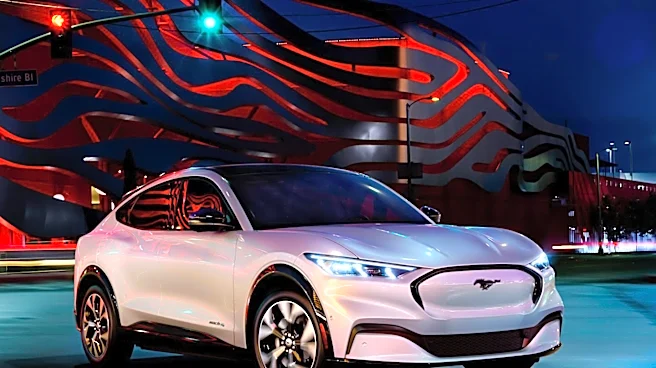
Ford Motor Company is implementing a significant modernization initiative, integrating artificial intelligence (AI) and virtual reality (VR) into its vehicle design processes. This strategic shift aims to drastically reduce design cycles, allowing for
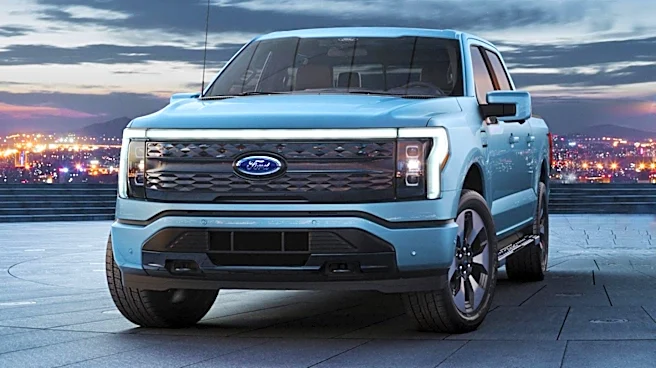
faster development from concept to production. As part of this overhaul, Ford has introduced a new electric vehicle (EV) platform and established Ford Energy, a new unit dedicated to developing energy solutions linked to its vehicles and associated infrastructure. This move reflects Ford's broader effort to retool its traditional vehicle portfolio to align with the growing importance of software, electrification, and energy infrastructure in the automotive industry. CEO Jim Farley and UAW leaders have voiced concerns regarding the increasing competitive threat posed by Chinese automakers to the U.S. car industry, underscoring the urgency of Ford's modernization efforts.
Why It's Important?
Ford's adoption of AI and VR in its design process is crucial for maintaining competitiveness in a rapidly evolving global automotive market. By compressing design times, Ford can bring new vehicle concepts to market more quickly, respond faster to consumer demands, and potentially achieve its target of an 8% EBIT margin by 2029, driven by higher-margin software and new energy storage revenue. The establishment of Ford Energy positions the company to capitalize on the growing demand for integrated energy solutions, particularly in the EV sector. However, this aggressive push into electrification and battery investment also introduces risks, including cost pressures, potential recall exposure, and political scrutiny related to partnerships, especially concerning Chinese battery technology. The competitive landscape, particularly the rising influence of Chinese automakers, highlights the necessity for U.S. manufacturers like Ford to innovate and adapt to global market dynamics.
What's Next?
Investors and industry observers will closely monitor Ford's execution of its Universal EV platform and its progress toward achieving approximately 20 GWh of planned LFP-based energy storage capacity by late next year. These milestones are critical for validating Ford Energy's role within the company's overall strategy. Updates on this capacity and concrete advancements with the new Fathom-based EV will indicate the pace at which these projects transition from planning to commercial reality. The success of these initiatives will be key to Ford's ability to mitigate the competitive threat from Chinese automakers and achieve its financial targets. Further developments in Ford's partnerships and supply chain, particularly concerning battery technology, will also be under scrutiny given the political and economic implications.
Beyond the Headlines
Ford's strategic pivot towards AI, VR, and integrated energy solutions signifies a broader industry trend where traditional manufacturing is converging with advanced technology and sustainable energy. This transformation is not merely about producing vehicles but about creating an ecosystem of mobility and energy solutions. The emphasis on accelerating design cycles through AI and VR could set a new standard for efficiency and innovation in the automotive sector, potentially influencing other industries to adopt similar digital transformation strategies. The competitive pressure from Chinese automakers also highlights a geopolitical dimension, where technological leadership in critical sectors like EVs and battery technology becomes a matter of national economic security and industrial policy. This shift could lead to increased domestic investment and innovation in the U.S. to counter foreign competition.