




What's Happening?
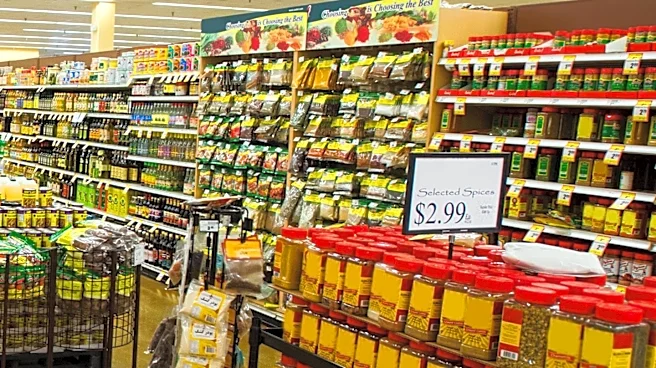
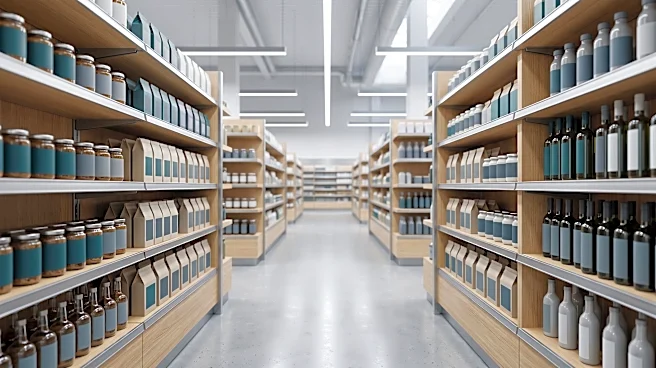
Grocery stores, both large and small, are increasingly leveraging private label products, which are manufactured by suppliers but sold under the retailer's own brand. This strategy allows stores to offer unique products, such as coffee, pasta, snacks,
and frozen foods, under their exclusive branding. The process involves the retailer selecting a product, collaborating with a supplier for manufacturing or packaging, and then selling it under their chosen name. This approach provides retailers with greater control over branding, product selection, and pricing. To manage the growing inventory and frequent changes in product information, small business label makers are proving to be highly beneficial. These devices enable stores to print smaller quantities of barcode, SKU, price, and shelf labels as needed, offering flexibility that larger chains, which typically order thousands of pre-printed labels, may not require. This is particularly useful for updating information frequently or for launching new products in smaller batches.
Why It's Important?
The adoption of private label brands by grocery stores signifies a strategic shift towards enhancing brand identity and customer loyalty. By offering exclusive products, retailers can differentiate themselves from competitors and create unique shopping experiences. This also allows for more flexible pricing strategies, potentially offering better value to consumers or higher margins for the store. The use of small business label makers is crucial for operational efficiency, especially for smaller grocery stores or those with rapidly changing inventory. It reduces reliance on large, pre-printed label orders, minimizing waste and allowing for quick adjustments to prices, promotions, or product details. This flexibility is vital in a dynamic retail environment where product information and pricing can change frequently. Ultimately, these practices contribute to streamlined inventory management and improved customer service by ensuring accurate and up-to-date product information is readily available.
What's Next?
As grocery stores continue to expand their private label offerings, the demand for efficient and flexible labeling solutions is expected to grow. Retailers will likely invest further in technologies that support rapid label generation and inventory management, such as advanced label makers and integrated SKU systems. The trend towards private labels is also anticipated to drive innovation in product development, as stores seek to create unique and high-quality items to compete with national brands. This could lead to a wider variety of private label products across different categories, catering to diverse consumer preferences. Furthermore, as labeling requirements and regulations evolve, stores will need to ensure their systems can adapt to these changes, making flexible labeling solutions even more critical for compliance and operational continuity.
Beyond the Headlines
The rise of private label brands and the use of small business label makers reflect broader trends in the retail industry, emphasizing customization, efficiency, and responsiveness to market demands. Ethically, private labels can offer consumers more affordable alternatives, potentially increasing access to essential goods. Legally, retailers must ensure that private label products comply with all relevant labeling and safety regulations, which can be complex given the diverse range of products. Culturally, the increasing prominence of store brands could shift consumer perceptions, moving away from the traditional preference for national brands towards a greater acceptance and even preference for retailer-specific offerings. This trend also highlights the importance of robust internal systems for managing product information, inventory, and branding, underscoring the critical role of seemingly minor tools like label makers in the overall success of a grocery business.