
What's Happening?
Sherwin-Williams has introduced a significant change to its annual Colormix® Trend Forecast for 2027, titled 'Rewild.' For the first time, the forecast will not feature defined color palettes. Instead,
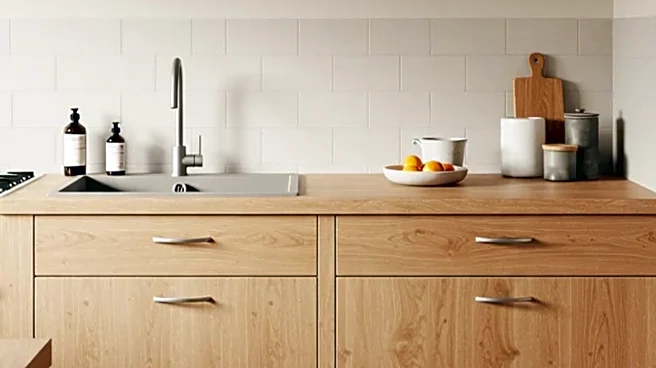
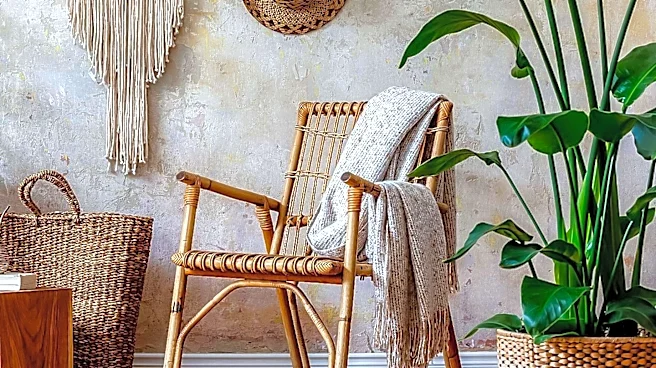
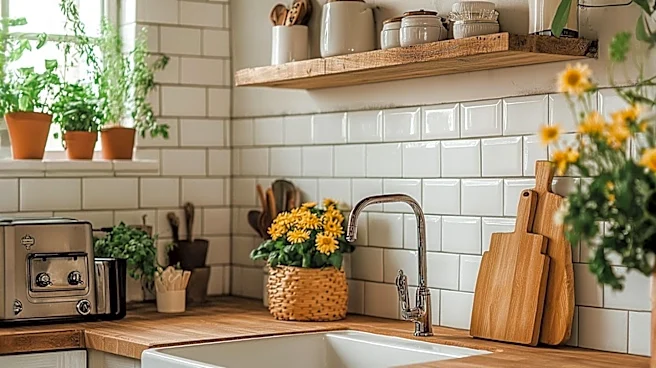
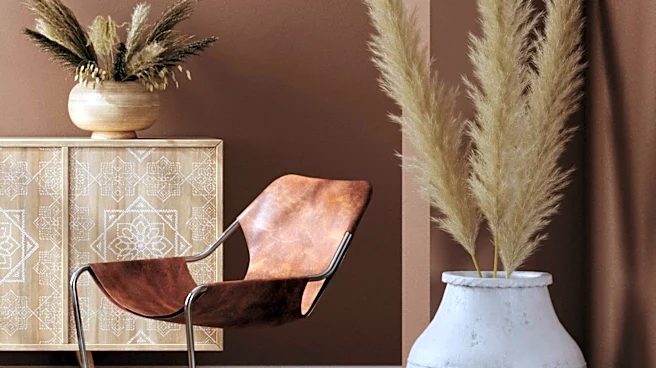
it presents three distinct design stories, each designed to explain not just which colors are trending, but the underlying cultural reasons for their emergence. This deliberate shift by the forecasting team aims to provide designers with narratives that resonate with what clients are seeking, moving beyond mere aesthetic suggestions. One of these stories, 'Revive,' explores how historical influences are shaping contemporary interiors, not out of nostalgia, but to re-emphasize heritage, craftsmanship, human touch, and personal expression. The company's Trendsight TeamSM emphasizes that this approach helps designers understand the deeper forces driving current design trends, allowing them to better connect with client desires for meaningful and authentic spaces.
Why It's Important?
This evolution in Sherwin-Williams' trend forecasting methodology signifies a broader shift in consumer preferences and industry approach within the design sector. By focusing on the 'why' behind color trends rather than just the 'what,' the company acknowledges a growing demand for authenticity, provenance, and narrative in product choices. This move is crucial for designers, as it equips them with a more profound understanding of cultural undercurrents, enabling them to create spaces that are not only aesthetically pleasing but also deeply resonant with their clients' values and stories. The emphasis on heritage and craft, as highlighted in the 'Revive' story, suggests a consumer desire to move away from transient trends towards more enduring, meaningful, and personally expressive design elements. This could influence product development across the home furnishings and decor industries, pushing manufacturers to consider the historical and cultural context of their offerings, thereby fostering a more thoughtful and sustainable approach to design.
What's Next?
The shift towards story-driven color forecasting by Sherwin-Williams is likely to influence how other brands and designers approach trend analysis and product development. We can anticipate a greater emphasis on narrative and cultural context in future design collections and marketing campaigns. Designers will be encouraged to delve deeper into the provenance and inspiration behind colors and materials, moving beyond superficial aesthetics to offer clients a richer, more meaningful design experience. This approach may also lead to increased collaboration between designers, historians, and cultural experts to uncover and articulate these underlying stories. For consumers, this could translate into a market offering more products with compelling backstories, fostering a deeper connection between individuals and their living spaces. The success of this new forecasting model will likely be measured by its adoption within the design community and its ability to accurately predict and shape consumer preferences in the coming years.
Beyond the Headlines
The move by Sherwin-Williams to emphasize the 'story behind the color' reflects a deeper cultural yearning for authenticity and connection in an increasingly digital and mass-produced world. This trend extends beyond interior design, touching upon broader societal values where consumers are seeking products and experiences that offer a sense of history, craftsmanship, and personal meaning. Ethically, this approach encourages a more conscious consumption, prompting questions about the true origins and impact of materials and designs. Legally, as provenance becomes a selling point, there may be increased scrutiny on claims of heritage and authenticity, potentially leading to new standards for transparency in product labeling. Culturally, this shift could foster a revival of traditional crafts and artisanal skills, as consumers seek unique, handcrafted items that tell a story. In the long term, this development could contribute to a more sustainable design ecosystem, where products are valued for their enduring quality and narrative, rather than their fleeting trendiness, thereby reducing waste and promoting a more mindful approach to consumption.