


What's Happening?
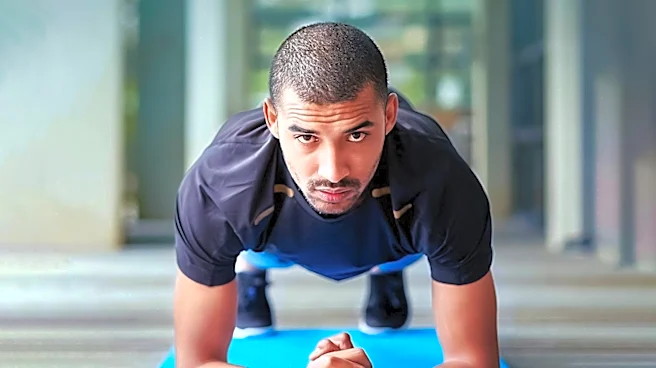
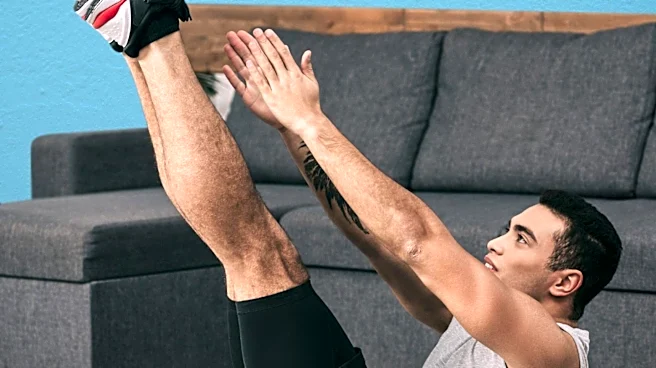
Core workouts, including exercises like planks, side planks, and dead bugs, can be effectively performed at home without the need for specialized equipment. These exercises are crucial for strengthening and defining abdominal muscles, which support the spine,
stabilize the trunk, and aid in daily movements such such as bending, twisting, and standing upright. While core exercises build muscle and improve strength, they do not directly reduce belly fat. The visibility of abdominal muscles depends on a combination of muscle development, body fat distribution, genetics, and nutrition. To achieve a more defined midsection, core training should be combined with overall body fat reduction strategies, including a balanced diet and full-body training. Consistency and gradual progression are highlighted as more effective than intense, infrequent workouts. Incorporating variety and setting targets can help maintain engagement and prevent boredom in a core workout routine.
Why It's Important?
The emphasis on at-home, equipment-free core workouts democratizes fitness, making it accessible to a broader population regardless of gym access or financial constraints. This approach promotes public health by encouraging physical activity and core strength, which is fundamental for preventing injuries, improving posture, and enhancing overall functional fitness for daily tasks. For individuals, understanding that core exercises build muscle but don't spot-reduce fat is crucial for setting realistic fitness goals and avoiding ineffective practices. This knowledge can lead to more holistic and sustainable health regimens that combine strength training with proper nutrition and cardiovascular activity. The accessibility of these workouts also supports mental well-being by providing a convenient way to stay active, which can reduce stress and improve mood, contributing to a healthier society.
What's Next?
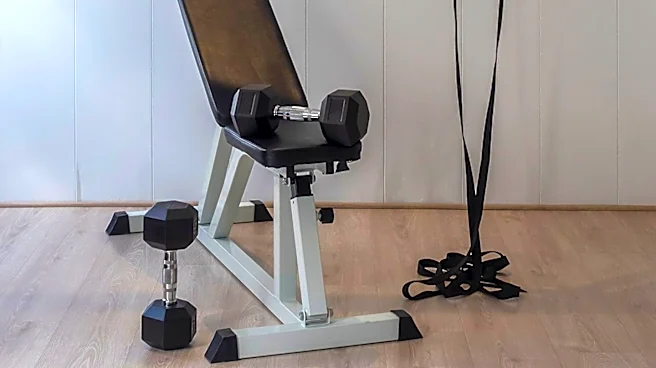
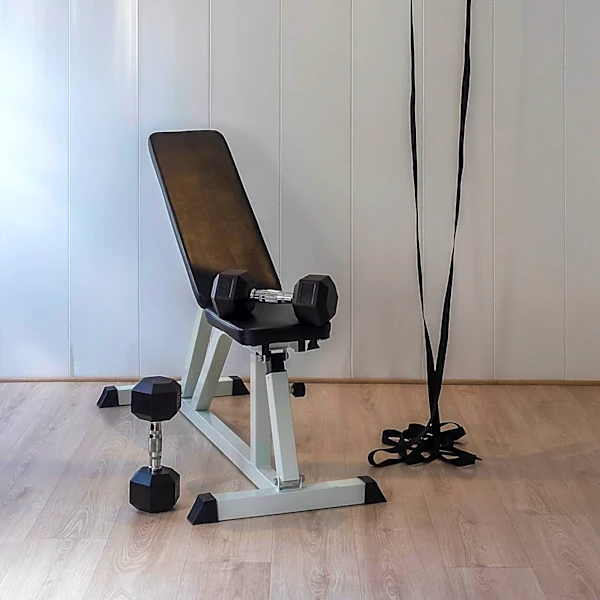
Individuals looking to improve their core strength can begin by incorporating body-weight exercises such as crunches, planks, and dead bugs into their routines, aiming for two to three sessions per week. As strength improves, they can gradually increase the duration of holds, the number of repetitions, or introduce variations to challenge the muscles further. For those seeking more intense workouts, equipment like sliders or a single bell can be integrated. It is important to pair these exercises with a balanced diet and regular full-body physical activity to achieve comprehensive fitness goals, especially if visible abdominal definition is desired. Consulting fitness professionals or online resources for proper technique and progressive overload strategies can help maximize results and prevent injuries. The focus will remain on consistent training and sustainable habits rather than quick fixes.
Beyond the Headlines
The widespread availability of effective, equipment-free core workouts challenges the commercial fitness industry's narrative that expensive gym memberships or specialized equipment are necessary for physical well-being. This shift empowers individuals to take greater control over their health and fitness journeys, potentially leading to a more self-reliant approach to wellness. Furthermore, the distinction between muscle building and fat loss in core training highlights a broader issue in fitness marketing, where 'spot reduction' is often promoted despite scientific evidence to the contrary. This understanding encourages a more informed public that can critically evaluate fitness claims, fostering a culture of evidence-based health practices. The emphasis on functional core strength also underscores a move away from purely aesthetic fitness goals towards a more holistic view of physical capability and long-term health.