




What's Happening?
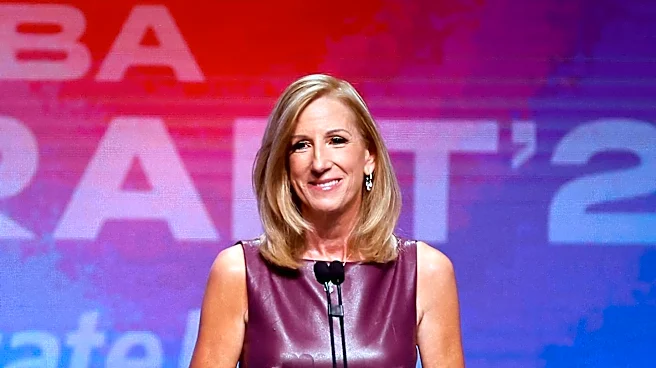
During the WNBA All-Star weekend in Chicago, Commissioner Cathy Engelbert highlighted the league's significant growth under her leadership, coinciding with the WNBA's 30th anniversary. Engelbert, whose contract is nearing expiration, emphasized the league's expansion
from 12 to over 100 employees since she took office in 2019. Despite these achievements, Engelbert acknowledged the need for improved communication with players, who have criticized her for not reaching out during significant events like record-breaking performances or injuries. She committed to enhancing communication strategies, including using text messages over emails. Additionally, Engelbert announced the introduction of a replay center for the 2027 season, modeled after the NBA's system, to improve officiating and transparency.
Why It's Important?
The developments discussed by Engelbert are crucial as they reflect the WNBA's ongoing efforts to enhance its operational efficiency and player relations. The league's growth in popularity and staffing indicates a positive trajectory for women's sports, potentially leading to increased sponsorships and media coverage. However, the communication issues highlighted by players suggest a need for better engagement strategies to maintain player satisfaction and morale. The introduction of a replay center signifies a commitment to improving game integrity and could enhance the league's credibility and fan experience. These changes could influence the league's future negotiations and partnerships, impacting its financial and cultural standing.
What's Next?
As Engelbert's contract nears its end, the league's future leadership remains uncertain. The implementation of the replay center will require technological upgrades across all WNBA venues, which could involve significant investment and logistical planning. The league's focus on improving communication and officiating will likely continue, with potential adjustments based on player feedback. Stakeholders, including players and team owners, may closely monitor these developments, influencing future collective bargaining agreements and league policies. The success of these initiatives could set a precedent for other women's sports leagues, potentially driving broader changes in the sports industry.