



What's Happening?
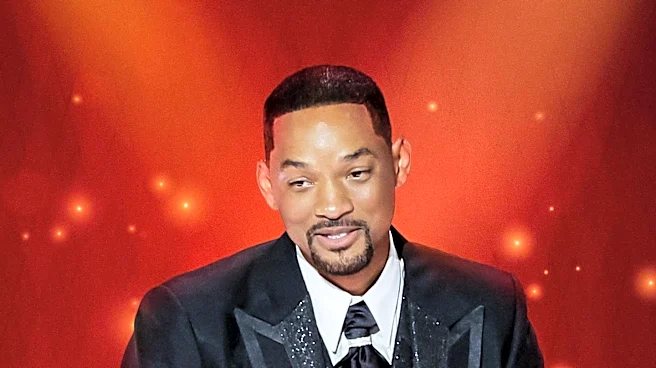
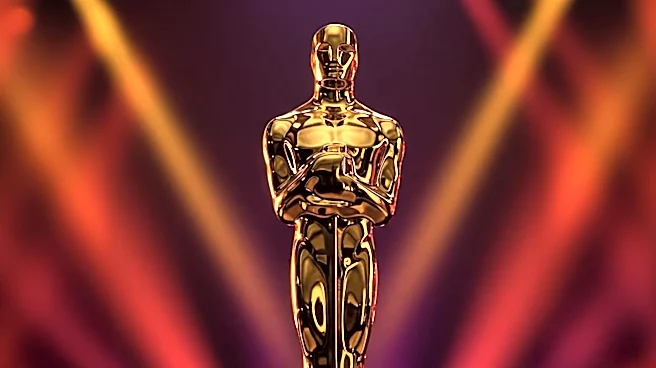
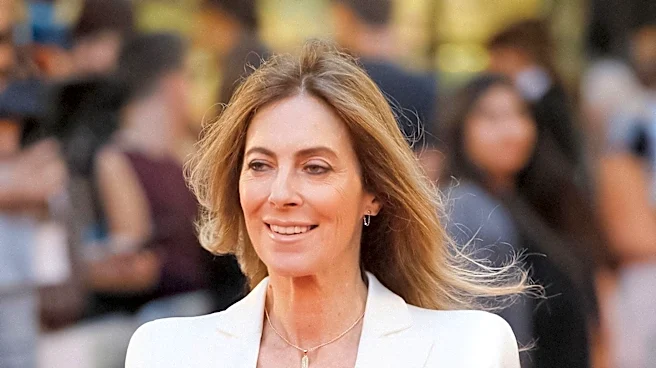
Aunjanue Ellis-Taylor, co-star of Will Smith in 'King Richard,' has publicly defended Smith's actions at the 2022 Oscars, where he slapped Chris Rock. Ellis-Taylor, who played Oracene Price opposite Smith's Richard Williams, stated that she understood
Smith's desire to protect his wife, Jada Pinkett Smith. Her comments were made during an appearance on The Daily Beast's Obsessed: The Podcast on August 12. Ellis-Taylor also challenged the notion that offensive speech should be immune from consequences, particularly if it causes harm. She recounted her positive experience working with Smith on 'King Richard,' noting his consistent care for the cast and crew, and his refusal to allow anyone to be treated poorly in his presence. The incident occurred after Chris Rock made a joke about Jada Pinkett Smith's shaved head, which was a reference to her alopecia. Smith subsequently won Best Actor for his role in 'King Richard,' but resigned from the Academy and received a 10-year ban from its events.
Why It's Important?
Aunjanue Ellis-Taylor's defense of Will Smith's actions at the Oscars reignites a significant public debate about accountability, free speech, and the protection of loved ones in the context of celebrity culture. Her stance, particularly her questioning of whether First Amendment rights should protect 'bullsh*t' that causes harm, adds a nuanced perspective to the ongoing discussion about the boundaries of comedy and personal offense. This event continues to impact Smith's career and public image, despite his apologies and the Academy's sanctions. Ellis-Taylor's personal testimony about Smith's character on set provides a counter-narrative to the widespread condemnation he faced, highlighting the complexities of judging public figures based on isolated incidents. The incident also underscores the intense pressure and scrutiny faced by celebrities, where personal reactions can have far-reaching professional and social consequences, influencing public discourse on violence, respect, and the role of humor.
What's Next?
The discussion surrounding Will Smith's Oscars slap is likely to persist, with various public figures and media outlets continuing to offer their perspectives. Ellis-Taylor's comments may encourage other colleagues or public figures to voice their support or criticism, further shaping the narrative around the incident. Smith's ongoing career choices and public appearances will be closely watched for any indications of how he is navigating the aftermath of the event. The Academy's 10-year ban means he will not be present at future Oscar ceremonies, which will continue to serve as a reminder of the consequences. This event could also influence future awards show protocols regarding audience behavior and the handling of controversial moments, potentially leading to stricter guidelines or immediate interventions for similar incidents. The broader conversation about the intersection of comedy, personal boundaries, and public accountability will likely continue to evolve.
Beyond the Headlines
The 'slap' incident and its continued discussion, as exemplified by Aunjanue Ellis-Taylor's defense, delve into profound ethical and cultural dimensions. It forces a re-evaluation of the concept of 'protection' in modern society, particularly when it involves public figures and televised events. The debate over whether a joke, however offensive, justifies a physical response, touches upon the limits of free expression versus the right to personal dignity and safety. This event also highlights the double standards often applied to celebrities, where their actions are scrutinized under a microscope, and their personal lives become public property. Furthermore, it brings to light the issue of alopecia and the insensitivity surrounding medical conditions, prompting a broader conversation about empathy and respect in public discourse. The long-term impact could include a shift in how awards shows are produced, with increased awareness of potential flashpoints and a greater emphasis on maintaining decorum while still allowing for genuine expression.