





What's Happening?
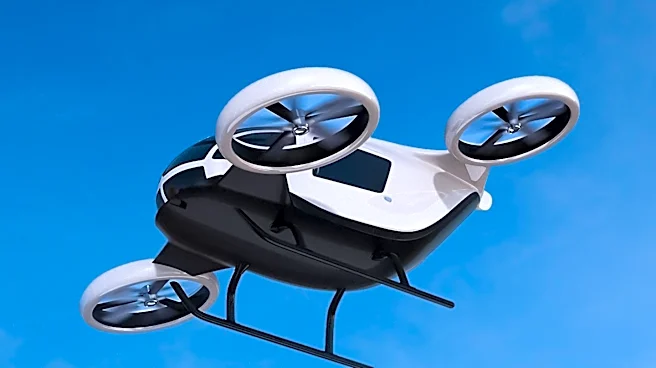
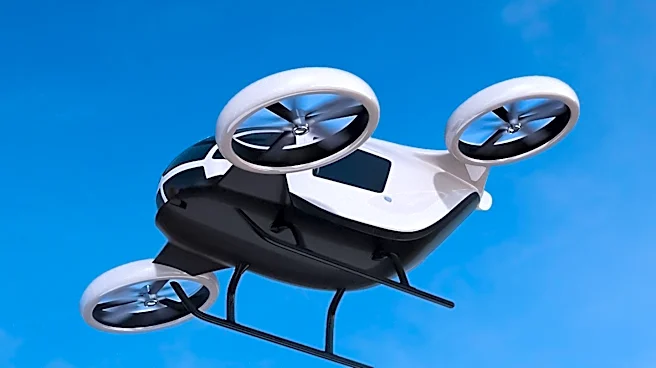
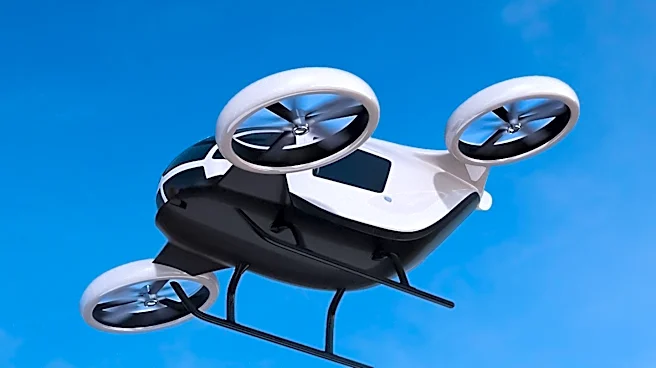
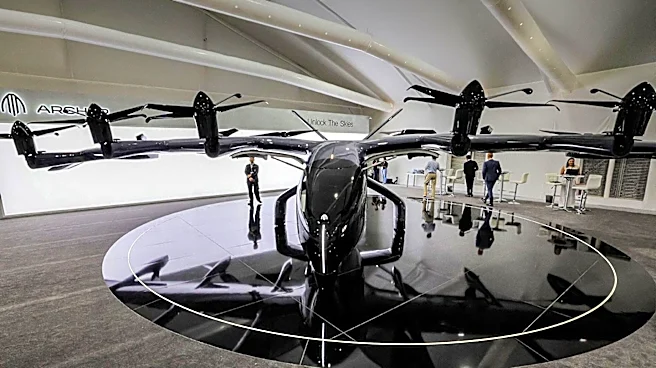
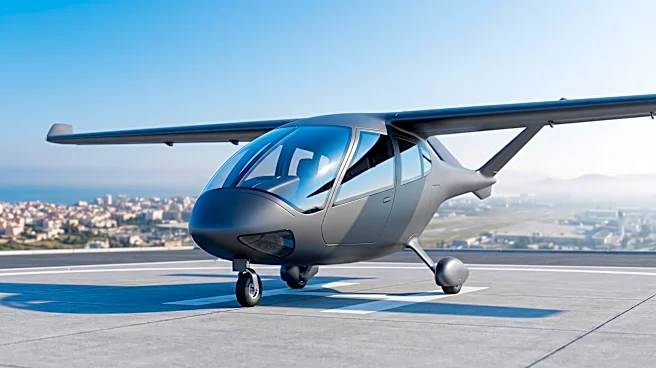
Archer Aviation (NYSE:ACHR), a developer of electric vertical takeoff and landing (eVTOL) aircraft, is gaining market attention as its air-taxi pilot programs in the United States and the United Arab Emirates continue to advance. The company confirmed
that its planned commercial efforts in both regions remain on track, reinforcing its position within the emerging advanced air mobility sector. Archer focuses on developing piloted electric aircraft designed for short urban flights, aiming to alleviate ground congestion. The company recently reported a strong cash balance, which supports its ongoing production and flight testing initiatives, despite incurring significant losses typical of a pre-revenue aviation business. This progress comes as the broader market evaluates the scalability of new transportation technologies.
Why It's Important?
The advancement of Archer Aviation's air-taxi programs is significant for the burgeoning advanced air mobility industry. Successful pilot programs in diverse regulatory environments like the US and UAE demonstrate the potential for eVTOL technology to transition from concept to commercial reality. For the US market, this signifies progress in developing innovative transportation solutions that could eventually reduce urban congestion and offer new travel options. The company's strong cash position is crucial, providing the necessary runway to fund expensive flight testing, factory build-out, and certification processes without immediate financial pressure. However, as a small-cap company in a speculative sector, Archer's performance is closely watched as an indicator of investor confidence in frontier engineering and electrification trends, impacting a broader range of industries beyond aviation.
What's Next?
Archer Aviation's immediate next steps involve continuing its flight testing, securing necessary certifications from aviation regulators, and further building out its manufacturing capabilities. The dual-continent program strategy allows the company to navigate different regulatory landscapes, potentially accelerating market entry in regions with faster approval processes while pursuing longer certification journeys domestically. The company will also focus on establishing the required infrastructure, such as vertiports and charging stations, essential for a functional air-taxi network. Future developments will likely include more detailed timelines for commercial launches, further partnerships with defense, infrastructure, and regional operators, and continued efforts to demonstrate the economic viability and safety of its eVTOL aircraft. The market will be looking for concrete progress on these fronts to validate the company's long-term potential.
Beyond the Headlines
The progress of Archer Aviation's air-taxi programs highlights a fundamental shift in urban transportation and aerospace. Beyond the immediate commercial applications, the development of eVTOL technology has broader implications for environmental sustainability, as electric propulsion aims to reduce noise and local emissions compared to traditional aircraft. However, the energy intensity of vertical flight raises questions about its overall carbon footprint when compared to efficient ground transportation. The regulatory challenges in integrating these new aircraft into existing airspace and urban environments are substantial, requiring close collaboration between developers, governments, and communities. The success of companies like Archer could pave the way for a future where air travel is more accessible and integrated into daily urban life, but it also necessitates careful consideration of infrastructure, safety, and environmental impacts to ensure responsible growth of this transformative technology.