



What's Happening?
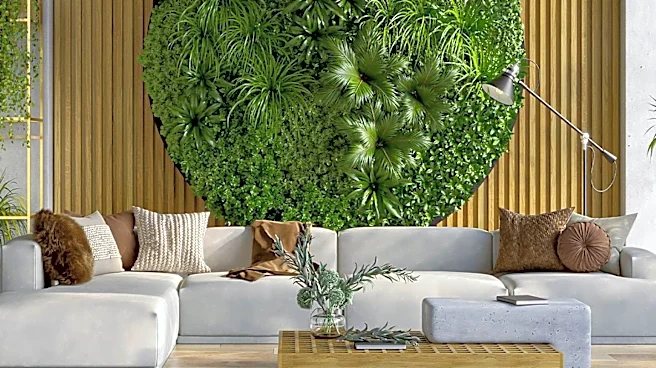
Laurameroni has launched 'Vertical Garden,' a new modular storage column designed by Ilenia Viscardi. This piece redefines the concept of a storage unit by transforming it into an architectural composition. Inspired by Milan's Bosco Verticale, the design integrates
greenery into interior spaces while maintaining versatility for other uses. The 'Vertical Garden' features compartments of varying sizes, creating a dynamic interplay of solid volumes, openings, and reflections. It is available in Laurameroni’s wood and lacquered finishes, as well as a concrete-effect finish, and can be configured with two to five modules, a top element, and optional trays. These removable trays, offered in mirror-polished steel, matching or contrasting wood, or concrete-effect, can hold plants, books, bottles, or decorative objects, allowing the unit to function as a planter, bookcase, or bar cabinet in both residential and commercial settings. The design emphasizes furniture as an element that shapes a room, with its vertical form making its contents part of the overall composition.
Why It's Important?
The introduction of 'Vertical Garden' by Laurameroni signifies a growing trend in interior design that merges functionality with aesthetic and biophilic principles. This product caters to an increasing demand for multi-functional furniture that not only serves practical storage needs but also enhances the living or working environment with natural elements. For the U.S. market, where urban living often limits access to green spaces, such innovations offer a practical solution for incorporating nature indoors. This can contribute to improved well-being and a more aesthetically pleasing environment in homes and offices. The versatility of the 'Vertical Garden' also appeals to diverse consumer preferences, from those seeking minimalist design to those desiring more elaborate decorative pieces. Its adaptability for both residential and commercial spaces suggests a broad market appeal, potentially influencing future furniture design trends towards integrated, nature-inspired solutions.
What's Next?
Following its launch, the 'Vertical Garden' is expected to be showcased in design exhibitions and showrooms, targeting interior designers, architects, and high-end consumers. Laurameroni will likely focus on marketing its modularity and aesthetic appeal to highlight its adaptability to various interior styles and functional requirements. The product's success could encourage other furniture manufacturers to explore similar integrated green solutions, potentially leading to a broader market for biophilic design elements in U.S. homes and commercial properties. Future developments might include expanding the range of finishes, materials, and configurations to meet evolving consumer demands and design trends. The emphasis on sustainability and well-being in design is likely to continue, with products like the 'Vertical Garden' setting a precedent for how furniture can contribute to these values.
Beyond the Headlines
Beyond its immediate function as a storage unit, the 'Vertical Garden' reflects a deeper cultural shift towards integrating nature into daily life, particularly in urbanized environments. This trend, often referred to as biophilic design, aims to connect occupants with the natural world to improve health and well-being. The product's inspiration from Milan's Bosco Verticale, a prominent example of vertical forest architecture, underscores a broader movement in urban planning and design to combat environmental challenges like urban heat islands and biodiversity loss. While the 'Vertical Garden' is a furniture piece, it symbolizes a micro-scale application of these macro-level environmental considerations. Its presence in a home or office can subtly influence occupants' appreciation for nature and sustainable living, fostering a greater connection to the environment even within built spaces. This could lead to increased consumer awareness and demand for products that align with ecological and wellness principles.