







What's Happening?
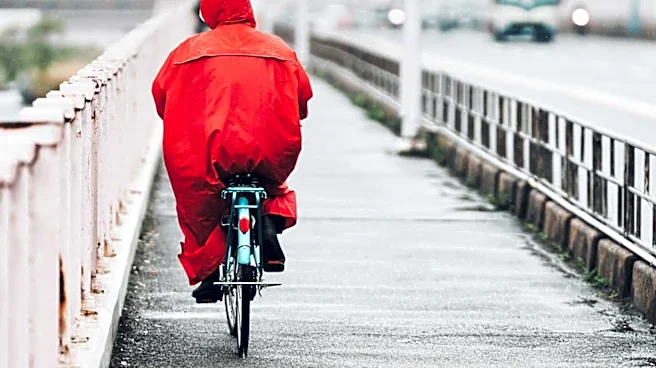
Cycling in the rain can be an enjoyable experience with proper preparation, clothing, and caution. The primary goal is not to stay completely dry, but to remain comfortable and warm by choosing technical cycling clothing that wicks away moisture, avoiding
materials like cotton. Essential accessories include waterproof gloves, overshoes or waterproof footwear, a waterproof helmet liner, clear or photochromic glasses, and a waterproof neck warmer. Fenders are highly recommended to prevent water and dirt from splashing onto the bike and rider. Tire pressure should be slightly lowered (0.5–1 bar) to improve grip, and brakes require extra attention due to increased stopping distances. Visibility is crucial, necessitating front and rear lights (even during the day) and reflective details. Riding technique should be adjusted to avoid sudden movements, painted road markings, metal covers, and puddles. Post-ride care is vital, involving quick cleaning, thorough drying, and lubrication of the bike, especially the drivetrain, and proper care for technical clothing.
Why It's Important?
These guidelines are important for U.S. cyclists as they promote safety, comfort, and equipment longevity, encouraging year-round participation in cycling regardless of weather. By emphasizing appropriate gear and techniques, the advice helps reduce the risks associated with wet conditions, such as accidents due to poor visibility or reduced traction, and health issues from prolonged exposure to cold and wetness. For the cycling industry, this information can drive demand for specialized waterproof and reflective gear, as well as maintenance products, supporting economic activity. It also fosters a culture of preparedness and resilience among cyclists, potentially increasing the overall number of active riders. Furthermore, proper bike maintenance tips can extend the lifespan of equipment, offering long-term value to consumers and reducing waste.
What's Next?
Cyclists who adopt these practices can expect safer and more enjoyable rides in rainy conditions, potentially leading to increased consistency in their training or recreational activities. Manufacturers of cycling apparel and accessories may continue to innovate, developing more effective and comfortable waterproof, breathable, and reflective products. Bike shops and maintenance services could see increased demand for wet-weather specific services, such as drivetrain cleaning and lubrication. Educational initiatives from cycling organizations might further promote these best practices to a wider audience. As more cyclists embrace riding in the rain, there could be a shift in perception, transforming it from an avoided activity to a unique and rewarding aspect of the sport.
Beyond the Headlines
Beyond the practical advice, embracing cycling in the rain can foster a deeper connection with the environment and build mental fortitude. It challenges cyclists to adapt and overcome adverse conditions, enhancing their resilience and problem-solving skills. This perspective shift can transform a seemingly negative experience into a positive one, highlighting the therapeutic aspects of cycling in varied conditions. Environmentally, encouraging year-round cycling, even in rain, supports sustainable transportation by reducing reliance on motor vehicles. The emphasis on proper gear also touches upon consumer responsibility and the importance of investing in quality, durable products that perform well in challenging environments, rather than contributing to a disposable culture. This holistic approach to cycling in the rain underscores its potential benefits beyond physical exercise.