






What's Happening?
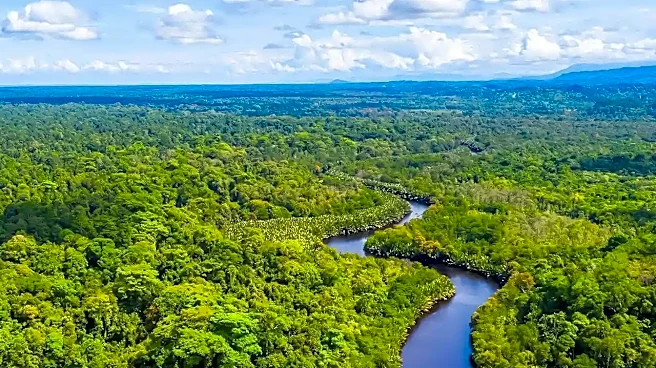
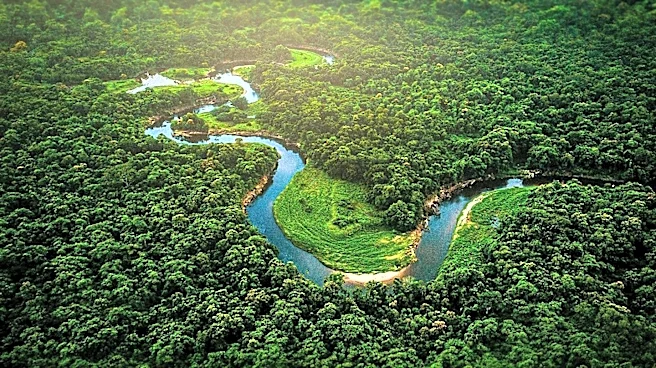
A new power plant, Azulão I thermal power plant, is being constructed in the Amazon Rainforest by Eneva, utilizing a GE Vernova gas turbine. This plant is designed to serve as a reliable backup for renewable energy sources, particularly wind and solar
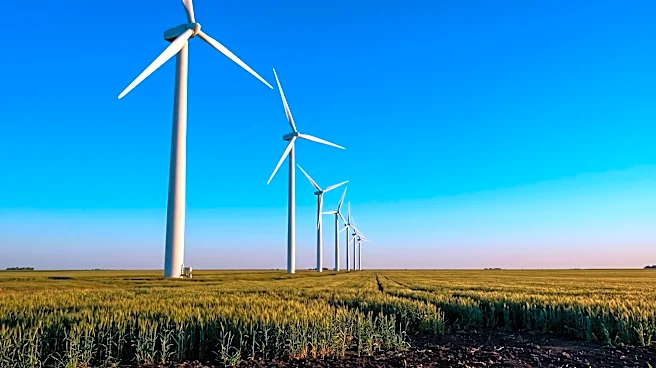
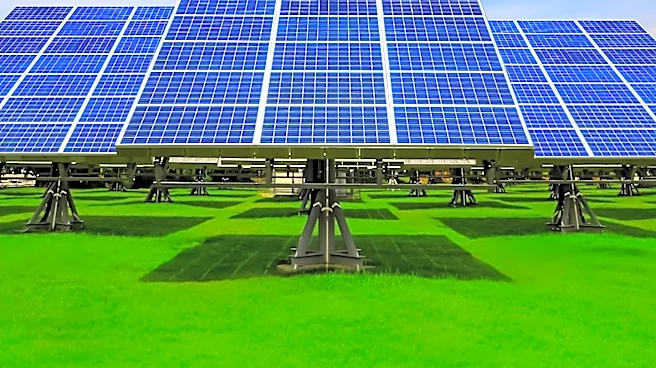
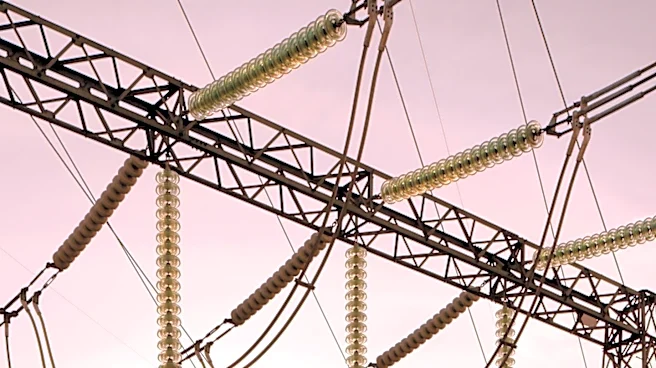
power, which are expected to supply over 85% of Brazil's electricity by 2035. The project addresses the limitations of renewable energy by providing grid stability when renewable output fluctuates. A significant engineering challenge involved preventing sub-synchronous resonance (SSR) in the 1,200-mile transmission line, which could lead to blackouts or equipment failure. GE Vernova engineers developed a custom blocking filter integrated directly into the generator to mitigate this risk from the outset, treating the plant and power lines as a single, connected system. The next phase, Azulão II, is anticipated to be completed in 2027, with the entire complex projected to generate enough electricity to power four million homes.
Why It's Important?
This development is crucial for the future of energy infrastructure in regions heavily investing in renewable sources. While the Amazon Rainforest is not in the U.S., the project's approach to integrating thermal power as a stable backup for intermittent renewables offers a model that could be relevant for U.S. energy policy and infrastructure development. The U.S. also faces challenges in grid stability as it increases its reliance on wind and solar power. The innovative engineering solution to prevent sub-synchronous resonance (SSR) demonstrates a proactive approach to grid management, which could inform similar projects globally, including within the U.S. The project highlights the growing need for flexible gas generation to complement lower-carbon technologies, creating a more resilient and balanced energy ecosystem. This could influence U.S. energy companies and policymakers to consider similar hybrid energy solutions to achieve decarbonization goals while maintaining grid reliability.
What's Next?
The completion of Azulão II in 2027 will mark a significant milestone, expanding the complex's capacity to power four million homes. The success of this integrated approach to energy generation and grid stability will likely be closely monitored by energy companies and governments worldwide, including in the U.S. Future developments may include further advancements in custom engineering solutions for grid integration and the potential replication of this hybrid energy model in other remote or challenging environments. The project's long-term environmental impact and its effectiveness in supporting Brazil's renewable energy targets will also be key areas of observation. The collaboration between Eneva and GE Vernova could set a precedent for how large-scale energy projects are planned and executed, emphasizing early integration of grid stability measures.
Beyond the Headlines
The project in the Amazon Rainforest underscores a broader global challenge: how to transition to renewable energy sources without compromising grid stability. The engineering foresight demonstrated by GE Vernova, treating the power plant and transmission network as a single system, represents a paradigm shift from reactive problem-solving to proactive system design. This approach has implications for critical infrastructure planning beyond energy, suggesting that complex systems should be designed with inherent resilience rather than relying on post-deployment fixes. Ethically, the project's location in the Amazon raises questions about balancing energy needs with environmental conservation, even if the plant is intended to support renewables. The long-term ecological footprint of such infrastructure, even as a backup, will be a subject of ongoing scrutiny, highlighting the intricate relationship between technological advancement, environmental stewardship, and energy security.