






What's Happening?
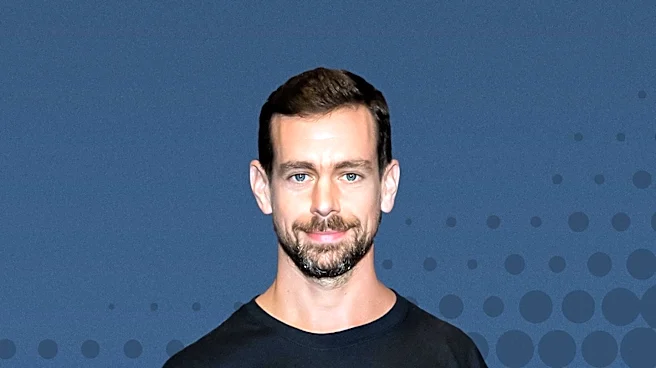
Mitchell Patterson, the 43-year-old founder and CEO of Wolfjaw Studios, maintained his work responsibilities while undergoing treatment for acute myeloid leukemia. Patterson started his backend-only video game studio in 2018, which quickly gained clients
like Innersloth and Riot Games. In late 2020, after experiencing persistent fatigue and bruising, he was diagnosed with acute myeloid leukemia. Despite his diagnosis, Patterson continued to work from the hospital, scheduling meetings around his chemotherapy and radiation treatments. He used virtual backgrounds and wore hats during client video calls to conceal his condition. After his initial hospital stay, he underwent further treatments, including a stem cell transplant and numerous blood transfusions, which altered his blood type and DNA. During this period, a competitor attempted to poach his clients by revealing his illness, but Patterson retained all of them. He experienced a relapse, necessitating a second stem cell transplant, yet Wolfjaw Studios grew to over 40 employees during his health struggles.
Why It's Important?
This story highlights the immense pressure and dedication often exhibited by founders and CEOs, even in the face of severe personal health crises. Patterson's experience demonstrates the challenges of maintaining business continuity and client relationships while battling a life-threatening illness. His ability to retain clients despite a competitor's unethical tactics underscores the importance of strong client trust and loyalty. Furthermore, the growth of Wolfjaw Studios during his treatment period suggests effective operational structures or strong team support, allowing the company to thrive even with the CEO's limited capacity. The narrative also touches upon the psychological toll of such an ordeal, as Patterson eventually experienced burnout after returning to full-time work, leading him to recognize the necessity of delegation and employee development for sustainable business growth.
What's Next?
After returning to full-time work in 2024, Patterson experienced burnout, prompting him to delegate more responsibilities within Wolfjaw Studios. Initially, this led to some deterioration as employees were not adequately prepared for their new roles, indicating a need for structured training and support systems. Patterson is now actively working on improving employee growth and positioning them for success, suggesting a shift towards a more distributed leadership model within the company. This focus on delegation and employee empowerment is expected to foster a more resilient and sustainable business operation, reducing the single point of failure that often exists in founder-led companies. His continued recovery and focus on organizational development will likely shape the future trajectory of Wolfjaw Studios.
Beyond the Headlines
Patterson's journey reveals deeper insights into the entrepreneurial spirit and the personal sacrifices often made in the pursuit of business success. His initial reluctance to delegate, even while facing a critical illness, reflects a common challenge for founders who feel indispensable to their companies. The ethical breach by a competitor attempting to capitalize on his illness also brings to light the cutthroat nature of some industries and the importance of integrity in business dealings. Moreover, his eventual breakdown after overcoming cancer underscores the long-term psychological impact of trauma and chronic stress, even after the immediate crisis has passed. This narrative serves as a powerful reminder of the human cost of relentless ambition and the critical need for self-care and effective leadership strategies that prioritize both personal well-being and organizational health.