









What's Happening?
The U.S. economy is grappling with persistent inflation, particularly in the service sector, which constitutes a significant portion of the economy. Despite a recent decline in energy prices following a temporary agreement with Iran, core inflation remains
elevated. The service sector, characterized by sticky prices due to labor costs, continues to experience price increases. Additionally, the rapid expansion of AI technology is contributing to inflationary pressures. The construction of data centers and the demand for AI-related components are driving up costs for consumer electronics and electricity. Economists warn that these factors, combined with ongoing supply chain disruptions and tariffs, could sustain inflationary pressures for the foreseeable future.
Why It's Important?
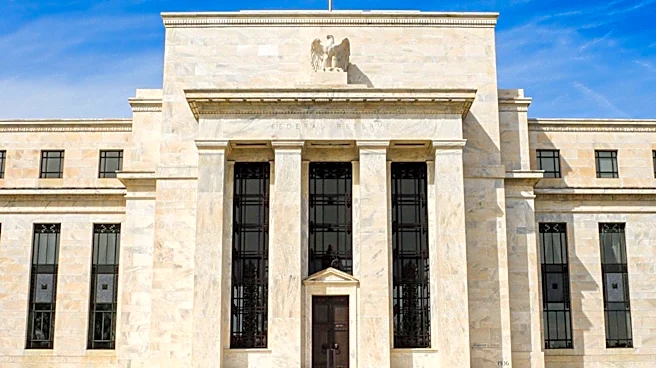
The persistence of inflation poses challenges for the U.S. economy, affecting consumer purchasing power and economic stability. The Federal Reserve's inability to meet its inflation target for several years highlights the complexity of managing inflation in a services-based economy. The rising costs in the service sector, coupled with AI-driven price increases, could lead to prolonged inflationary pressures. This situation may necessitate policy interventions, such as interest rate adjustments, to stabilize prices. The economic impact extends to consumers, who face higher costs for goods and services, and businesses, which must navigate increased operational expenses.
What's Next?
The Federal Reserve is likely to continue monitoring inflation trends and may consider policy adjustments if inflationary pressures persist. The ongoing development of AI technology and its impact on productivity and costs will be a critical area of focus. Policymakers may need to address supply chain challenges and explore strategies to mitigate the inflationary impact of technological advancements. The economic landscape will require careful navigation to balance growth and price stability.