




What's Happening?
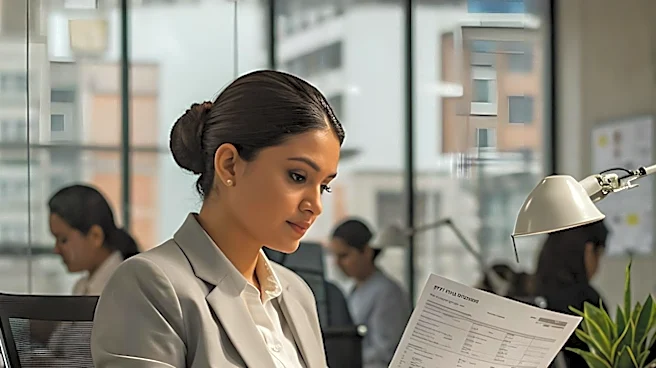
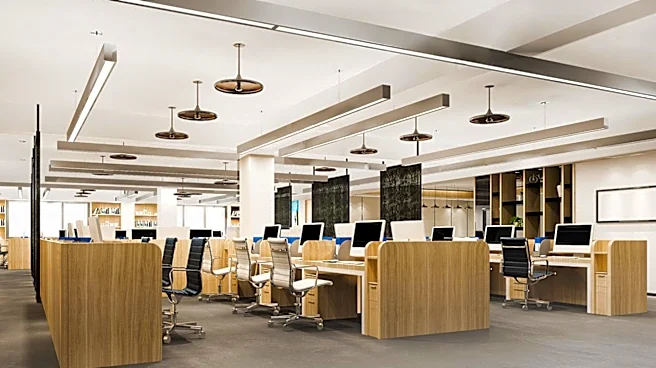
Modern office interior redesign is moving beyond aesthetics to address the diverse needs of employees and enhance productivity. According to Flipspaces, a key driver for this shift is the widespread dissatisfaction with sound privacy in traditional office layouts,
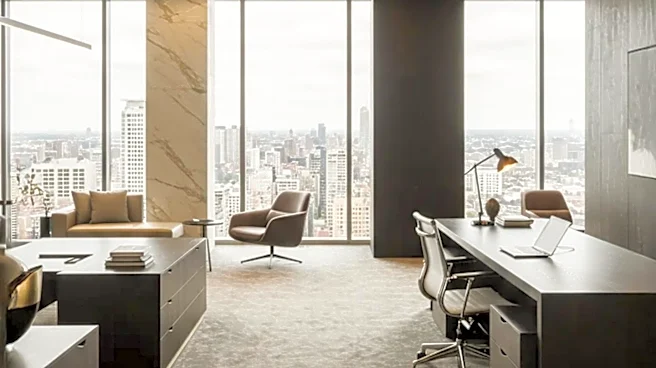
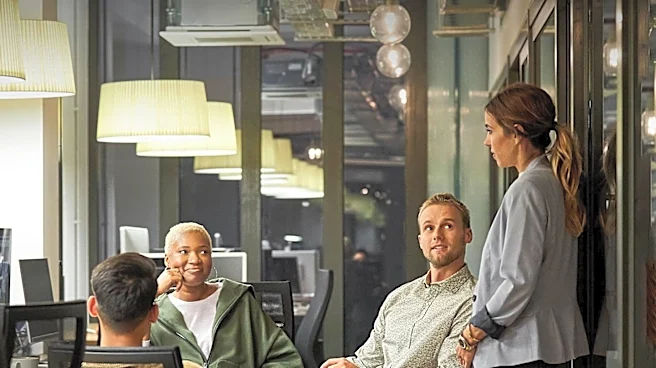
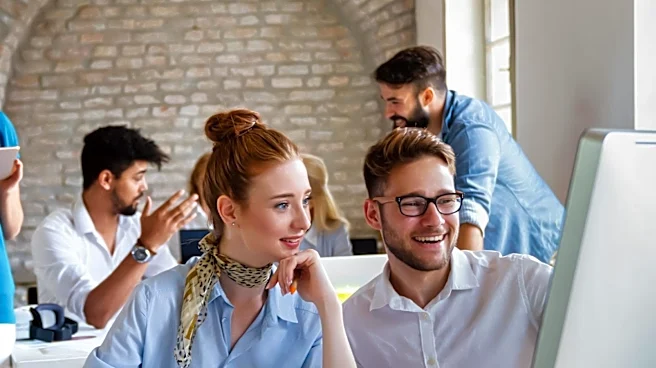
with up to 59% of employees in high-partition cubicles reporting issues. The new approach emphasizes creating varied environments within the office, including quiet zones for focused tasks, enclosed booths for calls, collaborative tables for brainstorming, and informal corners for quick conversations. The goal is to provide employees with the flexibility to choose a setting that best suits their current work activity. This redesign process begins with understanding how people actually use the space, observing daily routines, identifying underutilized areas, and gathering employee feedback, rather than relying on assumptions or one-size-fits-all layouts.
Why It's Important?
This evolution in office design holds significant importance for U.S. businesses grappling with employee satisfaction, productivity, and the future of work. The shift away from uniform open-plan offices, which have been shown to decrease face-to-face interaction by approximately 70% and increase digital communication, directly addresses a major source of workplace inefficiency and discontent. By providing diverse work settings, companies can cater to different work styles and tasks, from deep concentration to collaborative brainstorming. This can lead to improved employee well-being, reduced stress, and enhanced output. For industries heavily reliant on knowledge workers, optimizing the physical environment to support varied cognitive demands is crucial for attracting and retaining talent, ultimately impacting a company's bottom line and competitive edge.
What's Next?
The trend towards flexible and activity-based workspaces is expected to continue, with more companies investing in comprehensive workplace strategy and design. This will likely involve increased use of data analytics to understand space utilization and employee preferences. Designers will focus on integrating advanced acoustic solutions and modular furniture systems that allow for easy adaptation of spaces. There will also be a greater emphasis on biophilic design principles, incorporating natural elements and sounds to create more calming and productive environments. The development of 'auralization' tools, which allow clients to experience the acoustic properties of a space before construction, will become more common, ensuring that sound design is an integral part of the planning process rather than an afterthought. This proactive approach aims to create offices that are not just visually appealing but also functionally optimized for human performance.
Beyond the Headlines
The move towards diversified office spaces reflects a deeper understanding of human psychology and the varied demands of modern work. It acknowledges that productivity is not a monolithic concept but is influenced by individual preferences, task requirements, and environmental factors. This shift also highlights the growing importance of employee autonomy and choice in the workplace, empowering individuals to select environments that best support their cognitive and emotional needs. Furthermore, it underscores a broader cultural change in how work is perceived—less as a fixed location and more as an activity that can occur in various settings. This could lead to more inclusive workplaces that accommodate neurodiversity and different working styles, fostering a more equitable and effective professional landscape.