







What's Happening?
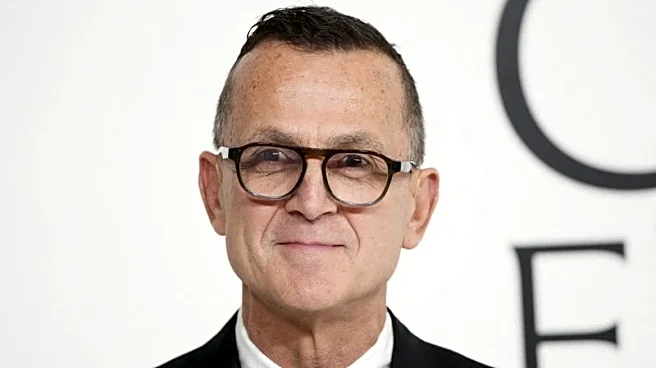
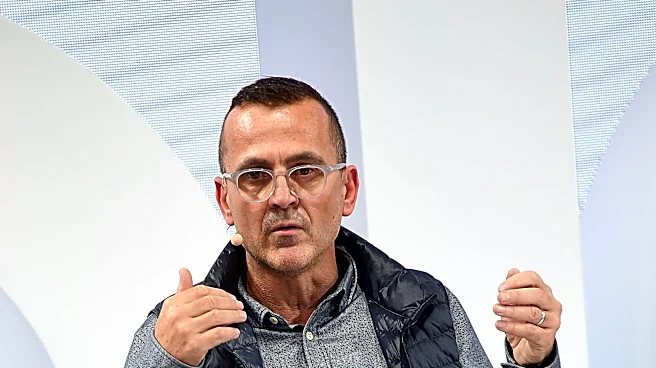
Steven Kolb, the long-serving chief executive of the Council of Fashion Designers of America (CFDA), has resigned from his position. This decision comes days after he was filmed physically restraining two PETA (People for the Ethical Treatment of Animals)
protesters during a New York runway show. The incident occurred on Sunday at a show for Cos, a brand owned by H&M, where Kolb was seen covering the protesters' mouths and restraining them. Kolb, a well-known figure in the New York fashion world, had previously apologized for his actions and announced he was taking a leave pending an investigation. The CFDA, the fashion industry's main trade organization, acknowledged Kolb's decision and expressed gratitude for his leadership. PETA had initially considered filing a police report but later changed course, stating their intention to meet with Kolb to discuss ending the use of wool and animal skins in clothing. One of the protesters, Andrija Barak, was attempting to disrupt the show by shouting slogans about wool use when Kolb intervened.
Why It's Important?
This resignation highlights the increasing pressure on the fashion industry regarding ethical practices and animal welfare. The public nature of the altercation, captured on video, amplified the incident and forced a swift response from a prominent industry leader. This event underscores the growing influence of animal rights organizations like PETA in challenging established industry norms and practices. Kolb's resignation, despite his apology and previous efforts to ban fur from CFDA runway shows, demonstrates the severe consequences individuals and organizations can face when their actions are perceived as conflicting with evolving ethical standards. It also signals a potential shift in how fashion executives and organizations will need to engage with and respond to activist movements, potentially leading to more proactive measures to address concerns about sustainability and animal cruelty within the industry. The incident could serve as a precedent for how similar confrontations are handled in the future, emphasizing the importance of de-escalation and adherence to ethical guidelines.
What's Next?
Following Kolb's resignation, the CFDA will likely begin the process of selecting a new chief executive to lead the organization. This transition will be closely watched by the fashion industry and animal rights groups, as the new leadership will face the challenge of navigating ongoing ethical debates and maintaining the CFDA's standing. PETA has indicated its continued intention to meet with Kolb and other industry figures to advocate for an end to the use of animal products. This suggests that the pressure on the fashion industry to adopt more ethical and sustainable practices will persist, potentially leading to further policy changes or commitments from brands and organizations. The incident may also prompt other fashion events and organizations to review their security protocols and strategies for handling protests, aiming to prevent similar confrontations while respecting freedom of expression. The long-term impact could include a renewed focus on corporate social responsibility within the fashion sector.
Beyond the Headlines
The incident involving Steven Kolb and PETA protesters transcends a simple workplace dispute, touching upon broader societal shifts in consumer values and corporate accountability. It highlights the tension between traditional industry practices and the rising demand for ethical consumption, particularly concerning animal welfare. The immediate and public nature of Kolb's resignation underscores the power of social media and viral content in shaping public perception and influencing corporate decisions. This event could contribute to a re-evaluation of leadership roles within industries facing intense scrutiny from activist groups, emphasizing the need for leaders who can effectively manage public relations and navigate complex ethical landscapes. Furthermore, it raises questions about the boundaries of protest and the appropriate responses from individuals and organizations when confronted with disruptive activism, potentially influencing legal and ethical guidelines for such encounters in the future. The incident serves as a stark reminder that even well-respected figures are not immune to the consequences of actions perceived as unethical in the public eye.