





What's Happening?
In November 2026, Novo Nordisk secured FDA approval for an expanded label for its once-weekly growth hormone, Sogroya (somapacitan-bipm), to treat children aged 2.5 years and older with growth failure associated with Turner syndrome. This approval marks
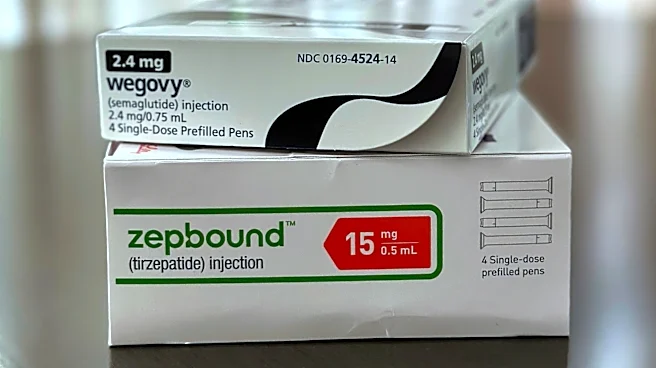
Sogroya as the first long-acting therapy of its kind available for this pediatric population in the United States. The expanded indication broadens Novo Nordisk's endocrinology portfolio, reinforcing the company's strategic focus on chronic therapies beyond its established diabetes and obesity treatments. This development aims to support greater utilization of its weekly growth hormone platform. The company's stock performance has lagged the Danish market over the past year, with a fair value estimate of DKK851.04, suggesting a potential upside of 210% from its current price based on discounted cash flow analysis. However, the company faces ongoing multidistrict litigation concerning GLP-1 linked NAION and recent FDA class-wide warning updates, which place increased scrutiny on safety communication and label risk for its key revenue-generating products like Ozempic and Wegovy.
Why It's Important?
This FDA approval for Sogroya is significant for Novo Nordisk as it diversifies its product offerings and strengthens its position in the endocrinology market, particularly in rare diseases. By expanding into the pediatric Turner syndrome treatment landscape, Novo Nordisk can tap into a new patient population, potentially increasing revenue streams and reducing reliance on its GLP-1 franchise, which is currently under heightened safety scrutiny. For patients with Turner syndrome, this approval provides a novel, convenient once-weekly treatment option, potentially improving adherence and quality of life compared to daily injections. The move also signals Novo Nordisk's commitment to innovation in chronic disease management. However, the broader investment narrative for Novo Nordisk remains complex, with the success of new product integrations like Sogroya needing to offset risks associated with ongoing safety lawsuits and potential label changes for its blockbuster diabetes and obesity drugs. The company's ability to consistently supply its therapies while managing legal and compliance costs will be crucial for its financial performance.
What's Next?
Novo Nordisk will likely focus on the commercial launch and integration of Sogroya for Turner syndrome into its existing operations, aiming to ensure consistent supply and market penetration. The company will need to effectively communicate the benefits of this new long-acting therapy to healthcare providers and patient advocacy groups. Simultaneously, Novo Nordisk will continue to navigate the ongoing multidistrict litigation regarding GLP-1 linked NAION and respond to any further FDA class-wide warning updates concerning its semaglutide products (Ozempic and Wegovy). The outcome of these legal challenges and regulatory actions could significantly impact prescribing behavior and increase legal and compliance costs, posing a risk to the company's near-term financial outlook. Investors will be closely watching how Novo Nordisk balances the growth from new product launches like Sogroya with the management of safety concerns and legal pressures surrounding its core GLP-1 franchise.
Beyond the Headlines
The approval of Sogroya for Turner syndrome highlights a broader trend in pharmaceutical development towards long-acting formulations that improve patient convenience and adherence, particularly in chronic conditions requiring lifelong treatment. This shift can have profound implications for patient quality of life and healthcare resource utilization. Ethically, the development of specialized treatments for rare pediatric conditions like Turner syndrome underscores the pharmaceutical industry's role in addressing unmet medical needs, even for smaller patient populations. However, the ongoing legal challenges faced by Novo Nordisk regarding its GLP-1 drugs also bring to light the increasing scrutiny on drug safety and the potential for litigation to impact pharmaceutical innovation and market dynamics. This dual narrative of therapeutic advancement and heightened regulatory/legal risk will likely shape the company's strategic decisions and investor confidence in the coming years, influencing its research and development priorities and risk management strategies.