




What's Happening?
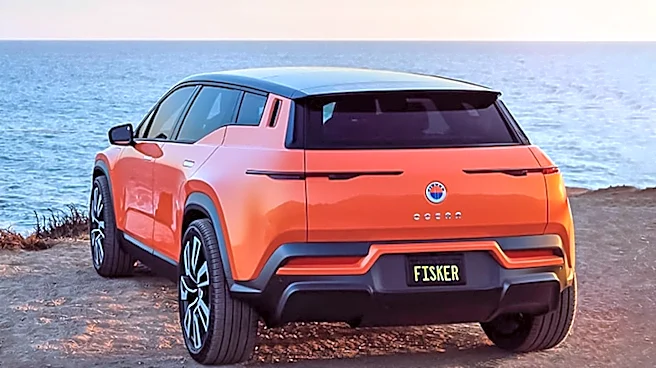
Fisker Inc. is identified as an electric vehicle (EV) manufacturer offering a solar roof option on its Ocean SUV. The company is listed among other prominent automotive brands, including Toyota, Mercedes-Benz, and Tesla, that are actively participating
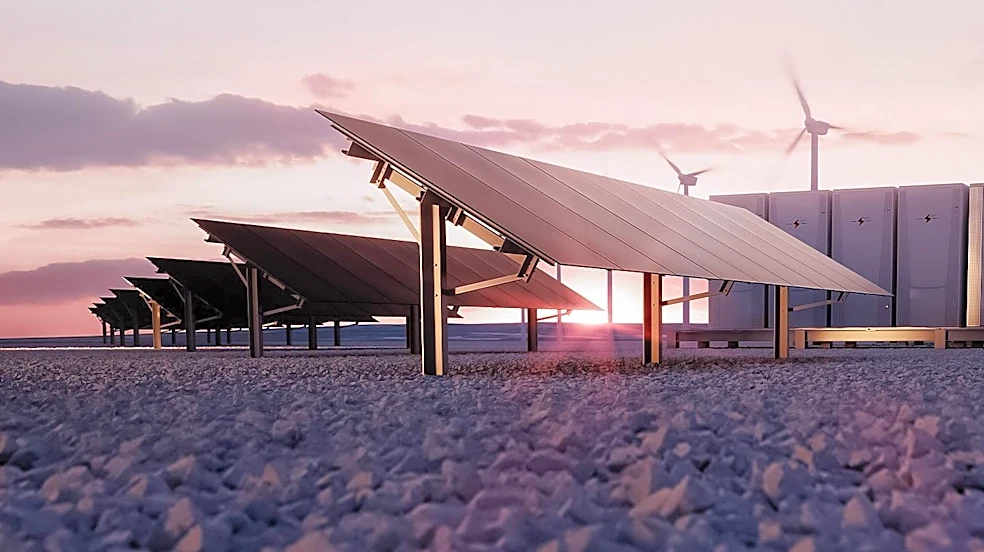
in the expanding solar vehicle market. This market is characterized by a shift towards integrating solar technology into next-generation EV platforms, moving beyond conceptual designs to series production. The demand for solar vehicles is increasingly influenced by original equipment manufacturer (OEM) platform-level electrical architecture decisions, with a focus on high-voltage zones and integrated body panels designed for energy harvesting. Fisker's inclusion in this competitive landscape highlights its commitment to incorporating renewable energy solutions into its vehicle offerings. Additionally, there are mentions of Fisker vehicles, such as a 2023 Ocean and a 2012 Karma, being available for auction, indicating activity within the secondary market for their products.
Why It's Important?
The integration of solar roof technology by companies like Fisker Inc. signifies a crucial trend in the U.S. automotive industry towards sustainable and energy-efficient transportation. This development is important because it addresses growing consumer demand for eco-friendly vehicles and contributes to the broader goal of reducing carbon emissions. For U.S. consumers, solar-equipped EVs could offer extended range and reduced reliance on traditional charging infrastructure, potentially lowering operating costs. For the automotive industry, it represents a complex challenge in subsystem integration, requiring automotive-grade validation for durability, safety, and performance over a vehicle's lifespan. The market's growth is driven by fleet operators, particularly in last-mile logistics and shared mobility, who seek to maximize daily energy harvest and improve total cost of ownership. This trend could lead to increased investment in solar technology research and development within the U.S., fostering innovation and creating new job opportunities in the green technology sector. Companies that successfully integrate solar solutions stand to gain a competitive edge in a rapidly evolving market, while those that lag may face challenges in meeting future consumer and regulatory demands for sustainable mobility.
What's Next?
The solar vehicle market is projected to experience accelerated commercial traction as OEMs transition from concept vehicles to modular solar options on next-generation EV platforms. Growth is anticipated to be concentrated in specific application niches where the economics of solar integration are most compelling, with fleet operators in last-mile logistics and shared mobility leading adoption. The passenger vehicle segment is expected to see gradual integration, primarily as a premium option on higher-trim EVs, supporting brand differentiation and sustainability marketing. The supply chain will likely mature through strategic partnerships between automotive Tier-1 suppliers and solar technology firms, as competitive advantage will accrue to players mastering durable curved encapsulation, efficient compact MPPT electronics, and predictive energy management software. Pricing will continue to be dominated by integration and validation costs rather than module bill-of-materials, and the commercial model is expected to shift from per-unit hardware sales towards energy-service models for fleets. Regulatory frameworks for vehicle-integrated photovoltaics are also expected to evolve, easing the multi-disciplinary certification burden and further facilitating market expansion.
Beyond the Headlines
The broader implications of solar vehicle integration extend beyond immediate market trends, touching upon ethical, legal, and cultural dimensions. Ethically, the widespread adoption of solar vehicles could significantly contribute to environmental sustainability, reducing reliance on fossil fuels and mitigating climate change impacts. This aligns with a growing global consciousness regarding ecological responsibility. Legally, the development of robust certification and regulatory frameworks for vehicle-integrated photovoltaics will be crucial to ensure safety, performance, and consumer protection. This may involve new standards for durability, energy efficiency, and end-of-life recycling of solar components. Culturally, the increasing visibility of solar-powered vehicles could normalize renewable energy technologies in everyday life, influencing consumer perceptions and accelerating the shift towards a greener lifestyle. This could also foster a culture of innovation and technological advancement within the U.S., positioning the nation as a leader in sustainable transportation solutions. The long-term shift could see solar technology becoming a standard feature in vehicles, fundamentally altering the automotive landscape and consumer expectations for energy independence and environmental stewardship.