



What's Happening?
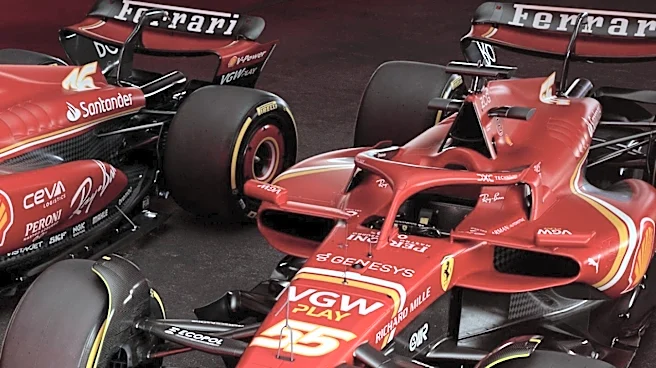
Ferrari N.V. has announced further purchases under its ongoing share buyback program. As part of the third tranche of a multi-year program totaling approximately Euro 3.5 billion, the company acquired additional common shares on the Euronext Milan (EXM)
between November 16 and November 20, 2026. During this period, Ferrari purchased 47,100 common shares on EXM at an average price of 366.1947 euros per share, amounting to a total consideration of 17,247,768.35 euros. Since the announcement of this third tranche, the total invested consideration for shares purchased on EXM is Euro 160,718,067.86 for 452,561 common shares, and USD 38,897,666.60 (Euro 34,123,943.35) for 95,801 common shares purchased on the NYSE. As of November 20, 2026, Ferrari held 2,139,166 common shares in treasury, representing 1.21% of the total issued common shares, or 0.91% of the total issued share capital when including special voting shares. The multi-year buyback program commenced on January 5, 2026, and by November 20, 2026, the company had purchased a total of 2,249,546 own common shares on EXM and NYSE for a total consideration of Euro 705,599,316.42.
Why It's Important?
This continued share buyback program by Ferrari N.V. signals the company's confidence in its financial health and future prospects. Share buybacks typically aim to reduce the number of outstanding shares, which can increase earnings per share (EPS) and potentially boost shareholder value. For investors, this action can be seen as a positive indicator, suggesting that management believes the company's stock is undervalued or that it has excess cash to return to shareholders. The substantial size of the multi-year program, approximately Euro 3.5 billion, underscores a long-term strategy to enhance shareholder returns. By reducing the supply of shares, Ferrari could also influence its stock price positively, making its shares more attractive to investors. This move also reflects a broader trend among financially robust companies to utilize buybacks as a capital allocation strategy, impacting market liquidity and investor sentiment within the luxury automotive sector.
What's Next?
Ferrari is expected to continue its share buyback program as outlined in its multi-year plan, which is anticipated to run until 2030. The company will likely issue periodic reports detailing further share acquisitions on both Euronext Milan and the NYSE. Investors and market analysts will closely monitor these reports for insights into the pace and scale of the buybacks, which could influence short-term stock performance and long-term valuation. The ongoing execution of this program suggests a sustained effort by Ferrari to manage its capital structure and enhance shareholder value. Future announcements may include updates on the total amount spent, the number of shares repurchased, and the percentage of outstanding shares held in treasury. The company's financial performance in the coming quarters will also be crucial in determining the continued effectiveness and impact of this significant capital allocation strategy.
Beyond the Headlines
Ferrari's consistent engagement in large-scale share buybacks extends beyond immediate financial metrics, reflecting a strategic commitment to capital efficiency and investor relations. This approach can influence market perception of the company's stability and long-term growth potential, particularly within the competitive luxury goods and automotive sectors. Such programs can also signal to the market that the company views its own stock as a valuable investment, potentially attracting more institutional and retail investors. Furthermore, by reducing the number of shares, Ferrari enhances its control over its equity structure, which can be beneficial in managing corporate governance and strategic initiatives. The sustained nature of this multi-year program suggests a deliberate financial engineering strategy designed to optimize shareholder returns and reinforce Ferrari's premium market position, potentially setting a precedent for other luxury brands in their capital management strategies.