







What's Happening?
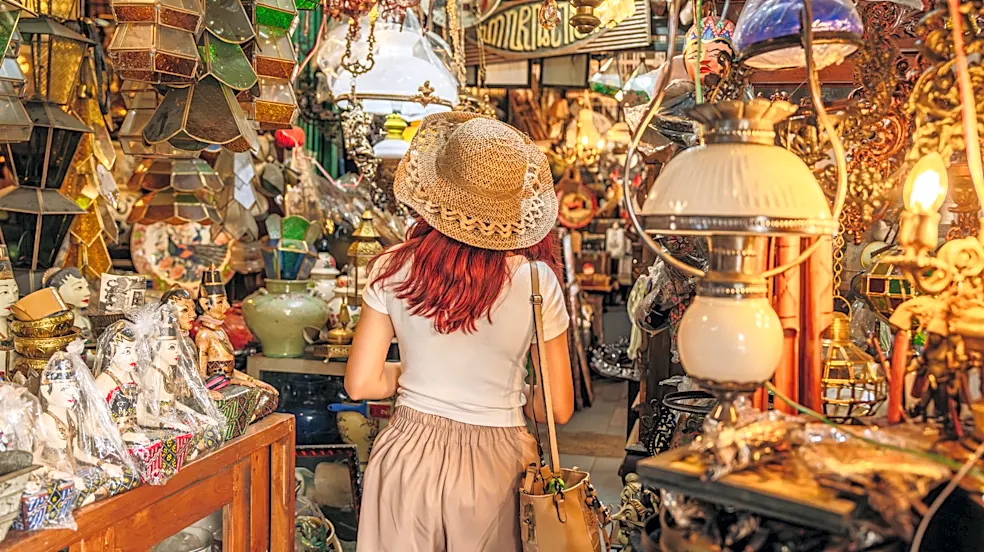
Thrifting has seen a surge in popularity, driven by a growing interest in vintage kitchen design trends and a desire for cost savings. Consumers are actively seeking out unique and high-quality items that are no longer readily available in the general
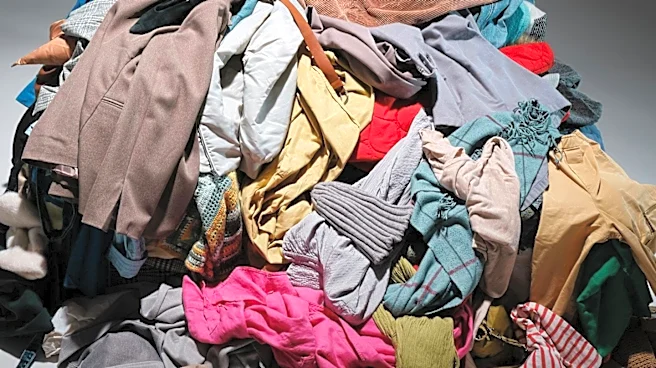
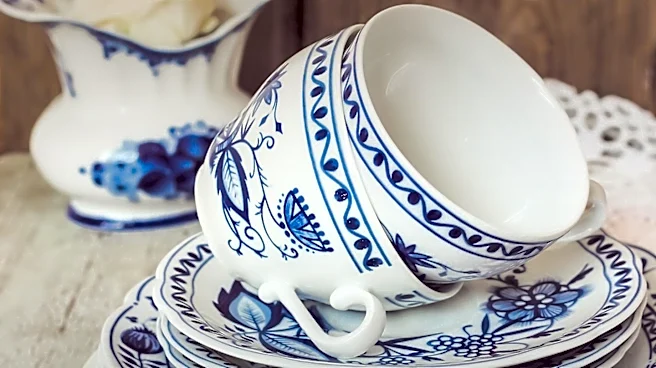
market. Among the highly sought-after items are vintage dishware, with Spode being a particularly recommended brand. Established in 1770, this English brand is known for its durable chinaware and distinctive patterns, including blue and green Italian-inspired designs from the 1800s, woodland motifs, and holiday-themed prints. Beyond dishware, designers suggest exploring other underrated thrift store finds such as mix-and-match glasses, art piles, ornate antique picture frames, and small wooden furniture. These items offer opportunities to add character and a collected feel to home interiors. The trend extends to fashion as well, with vintage sweaters and early 2000s styles like babydoll tops and jean skirts making a comeback, reflecting a cyclical nature of fashion trends and a preference for older, often higher-quality garments.
Why It's Important?
The increasing popularity of thrifting reflects a broader shift in consumer behavior towards sustainability, individuality, and value. For consumers, thrifting offers a cost-effective way to acquire unique items and reduce environmental impact by extending the life of existing products. This trend challenges traditional retail models by promoting a circular economy, where goods are reused rather than discarded. The emphasis on vintage and antique items also highlights a cultural appreciation for craftsmanship and historical design, moving away from fast fashion and disposable goods. For businesses, this trend could lead to increased competition for new product sales, but also opportunities for resale platforms and businesses specializing in restoration or upcycling. The demand for specific vintage brands like Spode indicates a discerning consumer base that values quality and heritage, potentially influencing manufacturers to produce more durable and timeless designs.
What's Next?
The thrifting trend is expected to continue its growth trajectory, with more consumers likely to explore second-hand markets for both home goods and apparel. This could lead to an expansion of thrift stores, consignment shops, and online resale platforms. Designers and interior decorators may increasingly incorporate thrifted items into their projects, further legitimizing and popularizing the practice. We might also see a rise in workshops and guides focused on identifying valuable vintage items, restoring old furniture, or styling thrifted finds. The cyclical nature of fashion suggests that other past trends will likely re-emerge, driving demand for specific vintage clothing items. Retailers might also begin to integrate more sustainable practices, potentially offering their own lines of upcycled or vintage-inspired products to cater to this growing market segment.
Beyond the Headlines
The thrifting phenomenon extends beyond mere economic and environmental benefits, touching upon deeper cultural and social implications. It fosters a sense of individuality and creativity, as shoppers curate unique collections that reflect their personal style rather than mass-produced trends. This movement also encourages a more mindful consumption, prompting individuals to consider the origin and longevity of their purchases. Ethically, thrifting supports local economies and provides affordable options for those with limited budgets, promoting inclusivity in fashion and home decor. The act of 'hunting' for hidden gems can also be seen as a leisure activity, offering a sense of discovery and satisfaction. Furthermore, the resurgence of vintage items connects generations, allowing for a tangible link to the past and a celebration of enduring design. This shift could ultimately lead to a re-evaluation of what constitutes 'value' in consumer goods, prioritizing durability, history, and uniqueness over newness and brand status.