





What's Happening?
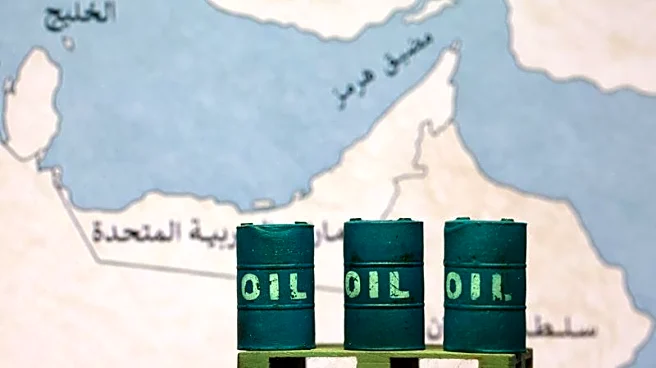
The American Petroleum Institute reported an increase in U.S. crude oil inventories by 3.296 million barrels for the week ending July 24, despite disruptions in the Strait of Hormuz. This rise follows a previous increase of 2.603 million barrels. The Strategic
Petroleum Reserve (SPR) also saw a drawdown of 3.7 million barrels, bringing its total to 307.7 million barrels, the lowest in over 43 years. U.S. production slightly decreased, while gasoline and distillate inventories showed mixed changes.
Why It's Important?
The increase in U.S. crude inventories amid geopolitical tensions highlights the resilience of the U.S. oil supply chain. However, the low levels of the SPR raise concerns about the country's ability to respond to future supply disruptions. The situation underscores the importance of maintaining strategic reserves and diversifying energy sources to enhance energy security. The fluctuations in inventory levels also reflect broader market dynamics, including production adjustments and demand shifts, which can impact global oil prices and economic stability.
What's Next?
As geopolitical tensions continue, the U.S. may need to reassess its energy policies and strategic reserve management to ensure long-term energy security. The government and industry stakeholders might explore measures to increase domestic production and reduce dependency on vulnerable supply routes. Additionally, the situation could prompt discussions on energy transition and the development of alternative energy sources to mitigate the impact of future disruptions.