





What's Happening?
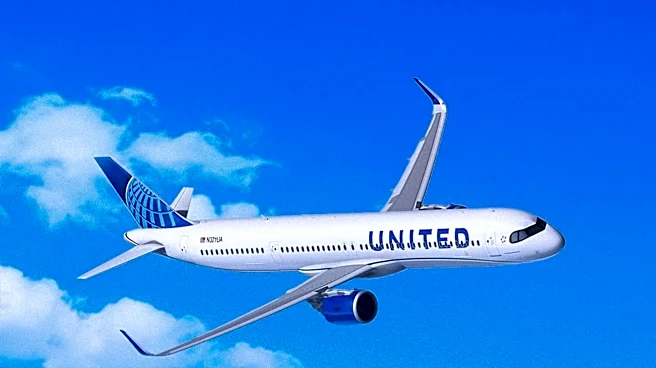
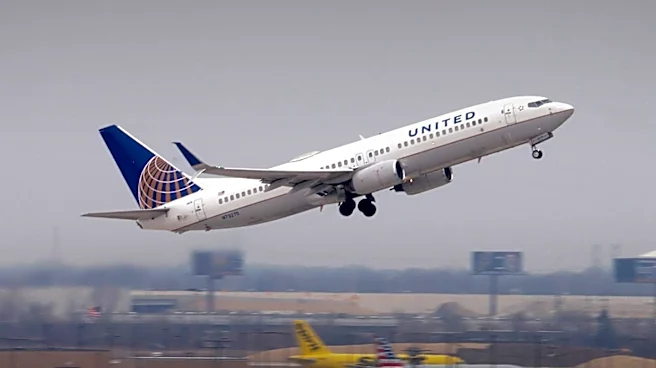
United Airlines has launched an automated multi-flight standby tool within its mobile app, designed to assist travelers during irregular operations (IROPs). This new feature allows passengers who have been rebooked onto later flights to join standby lists
for up to three earlier flights to the same destination, without forfeiting their confirmed seats. The system continuously monitors seat availability and notifies the traveler via text message when a seat becomes open. The confirmed fallback reservation remains secure until the traveler actively accepts an earlier seat. This tool aims to streamline the rebooking process, reducing the need for passengers to wait in airport lines or on customer service calls. Additionally, United is rolling out other self-service enhancements to its app, including the ability to add U.S. passports to Apple Wallet for TSA PreCheck Touchless ID enrollment, real-time TSA security wait times at hub airports, integration of Apple’s Share Item Location for baggage tracking, and a 'Where Is My Plane?' feature to track inbound aircraft.
Why It's Important?
This development is significant for the U.S. airline industry and its passengers, as United Airlines is currently the only major U.S. carrier offering an automated, multi-standby setup of this kind. While competitors like Delta Air Lines and American Airlines provide similar same-day standby or confirmed change options, they typically require selecting one flight at a time or involve manual tracking. United's new tool directly addresses a major pain point for travelers during flight disruptions, offering greater flexibility and control. For travel advisors, this innovation shifts a considerable portion of IROP recovery directly to the traveler's mobile device, potentially freeing up their time and improving client satisfaction. The integration of features like TSA PreCheck enrollment via Apple Wallet and baggage tracking with Apple's Share Item Location reflects a broader industry trend towards enhancing the digital travel experience and leveraging technology to improve operational efficiency and passenger convenience. These advancements can reduce stress for travelers, improve overall airport flow, and potentially enhance customer loyalty for United.
What's Next?
United Airlines will likely monitor the adoption and effectiveness of these new app features, particularly the multi-flight standby tool, to assess their impact on customer satisfaction and operational efficiency. Other major U.S. airlines may observe United's success and consider developing similar automated multi-standby capabilities to remain competitive in offering seamless travel experiences during disruptions. The continued integration of technology, such as passport information with Apple Wallet and advanced baggage tracking, suggests a future where airline apps become even more central to the entire travel journey. Travelers are encouraged to keep their United app updated and verify their contact information to fully utilize these new features. The airline may also expand these functionalities to include more complex rebooking scenarios or integrate with other travel services, further solidifying the app's role as a comprehensive travel assistant.
Beyond the Headlines
The introduction of advanced self-service tools like United's multi-flight standby feature represents a deeper shift in the relationship between airlines and passengers, empowering travelers with more autonomy and real-time information. This move reflects a growing expectation among consumers for personalized, on-demand solutions, especially in high-stress situations like travel disruptions. The ethical implication is that while technology offers convenience, it also places more responsibility on the individual traveler to manage their journey, potentially widening the gap for those less tech-savvy or without immediate access to smartphones. Legally, the clarity around confirmed seats versus standby options is crucial for consumer protection. Culturally, this trend signifies the increasing digitization of everyday life, where mobile devices are becoming indispensable for navigating complex services. The success of these features could also influence labor dynamics within airlines, as some customer service tasks are automated, potentially allowing staff to focus on more complex issues or in-person assistance.