





What's Happening?
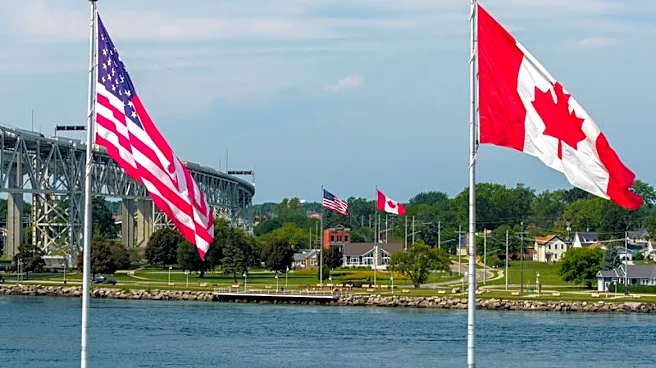
The Aluminum Association, representing the U.S. aluminum industry, is advocating for Canada and Mexico to adopt tariffs on aluminum imports from other countries that mirror those imposed by the United States. According to CEO Chuck Johnson, this alignment
is crucial to ensure equitable trade within the North American region. The lobby group also seeks more stringent origin criteria, tougher smelting and casting requirements, and enhanced systems for tracing aluminum throughout its movement in North America. Johnson stated that the association is not taking a stance on adjusting the current 50% U.S. tariff, emphasizing that their priority is to make any existing rate workable for both producers and buyers. This push for regional policy alignment follows a previous call in August by the Aluminum Association and its Canadian counterpart for Washington and Ottawa to end mutual tariffs and collaborate against competition from non-market economies like China.
Why It's Important?
This initiative by the U.S. Aluminum Lobby carries significant implications for North American trade and the aluminum industry. Aligning tariffs across the U.S., Canada, and Mexico would create a unified front against cheaper aluminum imports, potentially reducing the influx of low-priced metal that can undercut domestic producers. This could stabilize regional aluminum prices and reduce volatility in regional premia, which is the additional cost buyers pay above the global benchmark. For investors, tougher origin rules and enhanced monitoring systems would influence which producers secure contracts within the North American bloc, thereby affecting profit margins across the entire supply chain, from smelters to can manufacturers. The move aims to protect U.S. aluminum producers from unfair competition and ensure a level playing field, fostering a more predictable and secure market environment for domestic businesses.
What's Next?
The Aluminum Association will continue to press Ottawa and Mexico City to align their aluminum tariffs with those of the U.S. The outcome of these discussions will determine the future landscape of aluminum trade within North America. If Canada and Mexico agree to mirror U.S. tariffs, it could lead to a more integrated and protected regional market, potentially benefiting U.S. aluminum producers. Conversely, a lack of alignment could perpetuate existing trade imbalances and challenges for the U.S. industry. The association's focus on making any tariff rate workable suggests ongoing engagement with policymakers to refine trade policies. The Section 232 framework, which has been in place since President Trump's first term, may also see adjustments to its rates and other components as these discussions progress.
Beyond the Headlines
The U.S. Aluminum Lobby's efforts highlight a broader trend of regionalizing trade policies to counter global competition, particularly from countries identified as non-market economies. This approach reflects a strategic shift towards strengthening intra-regional trade relationships and supply chains, potentially leading to a more resilient North American industrial base. However, it also raises questions about the potential for increased trade friction with countries outside the bloc and the impact on global trade dynamics. The emphasis on origin criteria and traceability points to growing concerns about product authenticity and fair labor practices in international supply chains. This could set a precedent for other industries seeking similar protections, potentially reshaping global manufacturing and trade agreements in the long term. The debate also touches upon the balance between protecting domestic industries and maintaining competitive pricing for consumers.