


What's Happening?
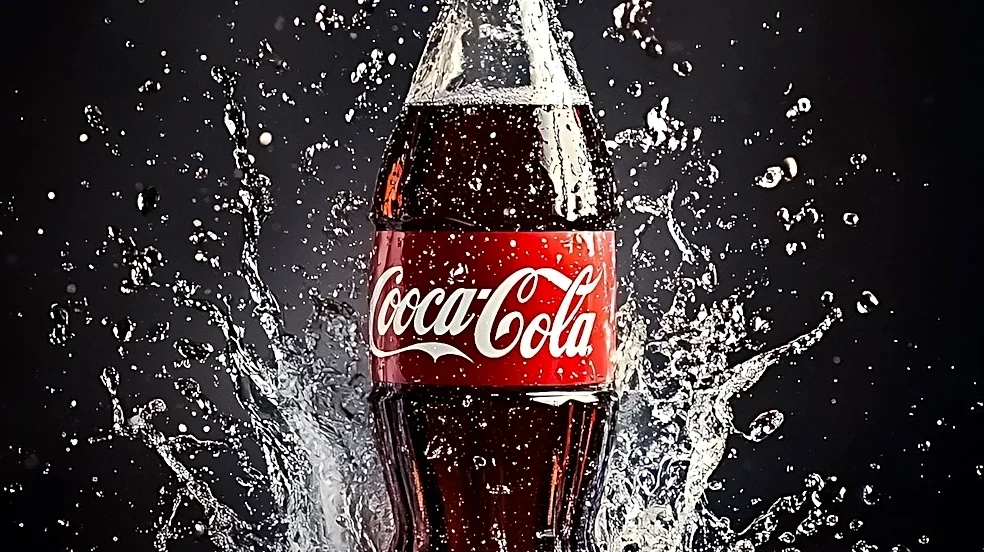
Kentucky Fried Chicken (KFC) in the U.S., a subsidiary of Yum! Brands, has signed a new agreement with Coca-Cola to become its exclusive beverage provider, replacing PepsiCo. This change is set to take effect in January 2027. The decision marks a significant
shift, as the business relationship between Yum! Brands and PepsiCo has been long-standing, dating back to PepsiCo's ownership of KFC, Pizza Hut, and Taco Bell before spinning off Yum! Brands in 1997. While PepsiCo will continue to supply KFC International, the loss of the U.S. market is substantial. This follows another recent loss for PepsiCo, as Coca-Cola also secured the business of Marriott in April. Evercore ISI analyst Robert Ottenstein estimates the revenue loss for PepsiCo from the KFC deal alone could be approximately $50 million, a considerable sum for a company operating on tight margins.
Why It's Important?
This development is important for several reasons, primarily impacting PepsiCo's financial performance and market standing within the U.S. beverage industry. The estimated $50 million revenue loss from KFC's U.S. operations, combined with the earlier loss of Marriott's business, signals a challenging period for PepsiCo's beverage division. These losses contribute to a broader trend for PepsiCo in 2026, which has seen a double-digit percentage drop in its stock price, lost sales in its core soda business to Coca-Cola, and reduced profits due to execution missteps and inflation. The 'sacred bond' between PepsiCo and Yum! Brands, established during their historical connection, has now been broken in the U.S. market, indicating a significant shift in competitive dynamics. This could lead to increased pressure on PepsiCo to re-evaluate its strategies and potentially intensify competition in the U.S. beverage sector.
What's Next?
Starting in January 2027, KFC's U.S. restaurants will exclusively serve Coca-Cola products, marking the official end of their long-standing partnership with PepsiCo in the domestic market. PepsiCo will likely face continued scrutiny regarding its performance in the U.S. beverage sector, especially given its recent stock performance and challenges with sales and profits. The company may need to implement new strategies to mitigate the impact of these lost contracts and regain market share. Competitors, particularly Coca-Cola, are poised to benefit from these new agreements, potentially expanding their presence and influence in the U.S. food service industry. The situation could also prompt other major restaurant chains or hospitality groups to review their beverage contracts, potentially leading to further shifts in the competitive landscape.
Beyond the Headlines
Beyond the immediate financial implications, the loss of KFC's U.S. business carries significant reputational weight for PepsiCo. The company has lost contracts with two 'iconic businesses in America'—Marriott and now KFC—which could affect its brand perception and negotiating power in future deals. This situation highlights the intense competition within the U.S. beverage market, where even long-established relationships are not immune to change. It also underscores the importance of maintaining strong client relationships and adapting to market demands. The 'sacred bond' between PepsiCo and Yum! Brands, once a symbol of their shared history, has dissolved, suggesting that business decisions are increasingly driven by current market conditions and competitive offerings rather than historical ties. This could set a precedent for other companies to re-evaluate their long-term partnerships.