





What's Happening?
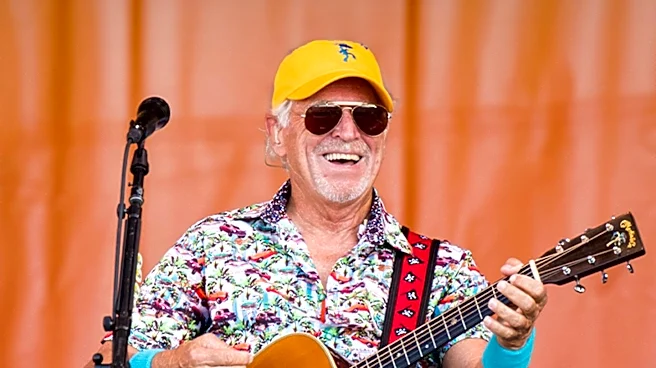
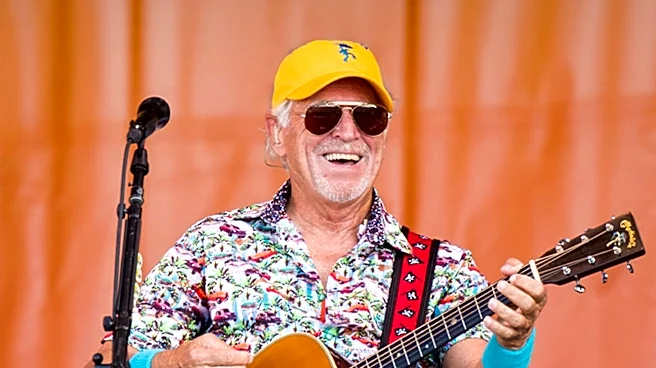
A new documentary titled 'Occupational Hazard: The First Coral Reefers' by director John H. Cunningham examines the nearly 50-year association between Jimmy Buffett and his evolving backup band, the Coral Reefers. The film highlights how the band shaped
the island-life vibe of Buffett's music and delves into the offstage party atmosphere shared by Buffett and his musicians. It touches on Buffett's early days as a writer for Billboard magazine in Nashville and his move to Key West, which influenced his songwriting. The documentary also details the formation of the actual Coral Reefer Band after Buffett's third album, 'A White Sport Coat and a Pink Crustacean,' initially listed a fictional group. The film features candid recollections from band members about their wild lifestyle on the road, including excessive drinking and drug use, which at one point led to scrapped recording sessions. Narrated by Jeff Bridges, the documentary portrays Buffett as the 'captain of a pirate ship' whose stewardship extended to the band's lifestyle. It also covers Buffett's decision to eventually change band members as he sought a different future.
Why It's Important?
This documentary offers a significant look into the formative years of Jimmy Buffett's career and the crucial role his band played in developing his unique musical style and persona. By exploring the dynamic between Buffett and the Coral Reefers, the film provides context for the creation of his iconic sound, often described as 'Golf and Western,' which blended rock, reggae, and folk. The candid portrayal of the band's lifestyle sheds light on the cultural norms of the music industry in the 1970s, a period before widespread social media scrutiny. Understanding the origins of Buffett's music and the 'Parrothead' culture that emerged around it is vital for appreciating his lasting impact on American popular music and lifestyle branding. The film also underscores the importance of band chemistry and loyalty in an artist's success, as Buffett famously stuck with his original players despite producer recommendations to replace them, leading to his breakthrough album, 'Changes in Latitudes, Changes in Attitudes,' which included 'Margaritaville.'
What's Next?
The documentary 'Occupational Hazard: The First Coral Reefers' is currently available for streaming on various platforms, allowing a broad audience to access this historical account of Jimmy Buffett's early career and his band. The film's release may spark renewed interest in Buffett's discography, particularly his early albums featuring the original Coral Reefers. It could also lead to discussions among music historians and fans about the influence of backup bands on iconic artists and the evolution of musical genres. While the documentary does not delve into Buffett's passing from skin cancer, it sets the stage for potential future projects that might explore later stages of his career, the expansion of his multi-tentacled businesses, and the full scope of Parrothead culture. The film serves as a reminder of Buffett's enduring legacy and his ability to adapt and navigate his career through different phases.
Beyond the Headlines
Beyond the immediate narrative of a band's wild early days, 'Occupational Hazard' touches on deeper themes of artistic collaboration, the price of fame, and the evolution of an artist's vision. The documentary implicitly explores the ethical dimensions of leadership within a creative group, as Buffett, while participating in the hedonistic lifestyle, eventually made decisions to steer his career in a different direction, leading to changes in his band lineup. This highlights the tension between artistic freedom and professional responsibility. The film also offers a cultural snapshot of the 1970s music scene, where a certain level of excess was often intertwined with creative output, contrasting with today's more scrutinized environment. The enduring appeal of Buffett's 'island-life' persona, despite the behind-the-scenes realities, speaks to the power of escapism in popular culture and the carefully constructed images artists present to their audiences. The documentary provides a nuanced view of how a seemingly mellow troubadour navigated a complex and often chaotic path to success.