

What's Happening?
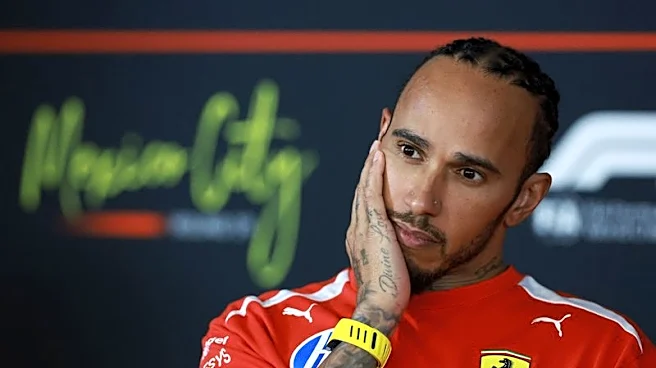
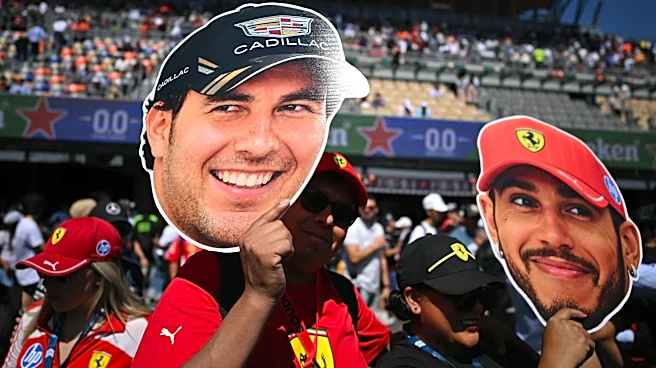
Ferrari is grappling with an escalating internal conflict between its drivers, Lewis Hamilton and Charles Leclerc, following their on-track confrontation at the Mexican Grand Prix. Former Formula 1 driver Martin Brundle has expressed concerns that the team's
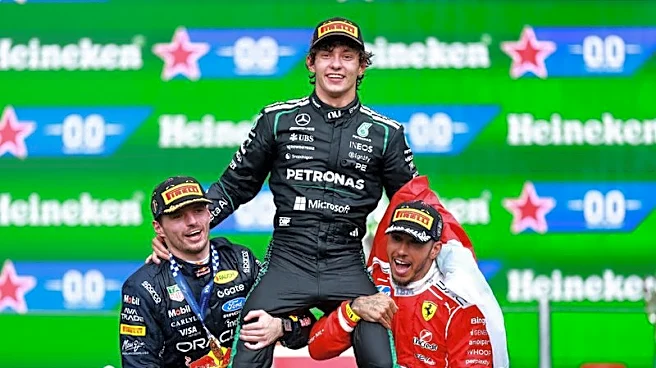
management of the two highly competitive drivers is an ongoing problem, predicting another clash is inevitable. The latest incident in Mexico saw Leclerc make an aggressive move on Hamilton at the start, cutting a corner and gaining position, which ultimately allowed Max Verstappen to pass both Ferraris. Hamilton voiced his frustration over team radio, and Leclerc subsequently received a five-second penalty. Brundle emphasized that such incidents not only reflect poorly on the team but also undermine the efforts of its 1500 employees. He believes that while competitive instincts are natural for F1 drivers, individual ambition must not compromise team objectives. The situation highlights Ferrari's challenge in balancing the aspirations of two drivers who are both vying for victories.
Why It's Important?
This internal strife at Ferrari carries significant implications for the team's performance and championship aspirations. A lack of cohesion between drivers can lead to lost points, compromised race strategies, and a negative impact on team morale. For Ferrari, a team with a rich history and high expectations, consistent internal conflict could derail their efforts to compete at the top tier of Formula 1. The situation also affects the perception of the team within the sport, potentially deterring future talent or sponsors if it appears Ferrari cannot effectively manage its star drivers. The dynamic between Hamilton and Leclerc, two of the sport's most prominent figures, is under intense scrutiny, and their inability to race harmoniously could have broader consequences for the competitive landscape of Formula 1, especially as other teams vie for dominance. The outcome of this internal struggle could dictate Ferrari's success in the current and upcoming seasons.
What's Next?
Ferrari is expected to hold internal discussions with both Lewis Hamilton and Charles Leclerc before the Brazilian Grand Prix to address the recent incident and attempt to establish clearer expectations. However, Martin Brundle remains skeptical that these discussions will provide a lasting solution, suggesting that similar confrontations are likely to recur. The team faces the critical task of ensuring that any agreements made translate into different on-track behavior. The upcoming race in Brazil will be a crucial test of Ferrari's ability to manage its drivers and prevent further incidents. The reactions of both Hamilton and Leclerc during and after the Brazilian Grand Prix will indicate whether Ferrari has made any progress in resolving the underlying tensions. Failure to effectively manage this situation could lead to further penalties, lost championship points, and increased pressure on team management.
Beyond the Headlines
The ongoing tension between Hamilton and Leclerc at Ferrari delves deeper than mere racing incidents, touching upon the psychological complexities of elite sports and team dynamics. The conflict highlights the inherent struggle between individual ambition and collective success, a common theme in high-stakes competitive environments. Ethically, the situation raises questions about a team's responsibility to its drivers versus its overall objectives, and how to foster a competitive yet collaborative environment. The long-term implications could include a shift in how Formula 1 teams approach driver pairings, potentially favoring a clear number one and number two driver strategy to avoid such conflicts. This situation also underscores the immense pressure on team principals to mediate between superstar athletes, whose individual brands and careers are often intertwined with their team's performance. The resolution, or lack thereof, could set a precedent for how top-tier racing teams manage similar challenges in the future.