






What's Happening?
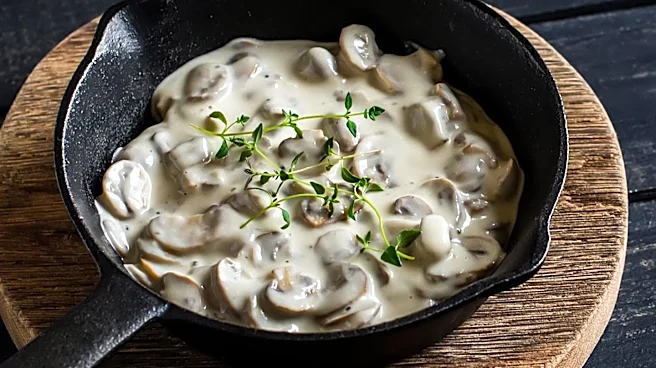
Thanksgiving hosts are being encouraged to make their holiday meals more inclusive by offering vegan-friendly options, specifically suggesting the inclusion of vegan mushroom gravy. This recommendation is part of broader advice aimed at accommodating
guests with plant-based diets or other dietary restrictions. The tip emphasizes that hosts don't need to create plant-based versions of every dish, but providing at least one alternative, such as vegan mushroom gravy alongside traditional turkey gravy, ensures vegan guests can enjoy the full spread. Other inclusive Thanksgiving tips include asking about dietary preferences in advance, labeling ingredients in each dish, offering multiple plant-based dishes, cooking with flavors everyone will love, being mindful of cross-contamination, and allowing guests with dietary needs to fill their plates first.
Why It's Important?
This advice is significant in the U.S. as it addresses the growing trend of diverse dietary preferences and the increasing number of individuals adopting plant-based lifestyles. Thanksgiving, a holiday traditionally centered around meat, can be challenging for vegan guests, leading to feelings of exclusion. By promoting simple yet impactful changes like offering vegan mushroom gravy, hosts can create a more welcoming and inclusive environment. This fosters social harmony and ensures all guests feel valued and can fully participate in the holiday meal. From a broader perspective, it reflects a societal shift towards greater awareness and accommodation of dietary needs, moving beyond just allergies to lifestyle choices. For the food industry, it highlights the demand for versatile plant-based ingredients and recipes that can easily integrate into traditional holiday menus.
What's Next?
As awareness of inclusive holiday dining grows, we can expect to see more resources and recipes for vegan Thanksgiving alternatives, including various types of plant-based gravies, stuffings, and main dishes. Food brands may increase their offerings of vegan-friendly holiday products, making it easier for hosts to find suitable options. Culinary publications and cooking shows will likely feature more plant-based Thanksgiving menus and tips for accommodating diverse diets. There may also be a rise in demand for specific ingredients used in vegan cooking, such as different types of mushrooms, nutritional yeast, and plant-based broths. Over time, offering vegan options at holiday meals could become a more standard practice, rather than an exception, as societal norms continue to evolve towards greater dietary inclusivity.
Beyond the Headlines
The recommendation to include vegan mushroom gravy touches upon deeper cultural and ethical considerations surrounding food and hospitality. It signifies a move away from a one-size-fits-all approach to holiday meals, acknowledging and respecting individual dietary choices as part of modern social etiquette. Ethically, it promotes compassion and consideration for guests who adhere to plant-based diets for animal welfare, environmental, or health reasons. Culturally, it challenges traditional notions of Thanksgiving by encouraging adaptation and innovation in classic recipes, reflecting a more diverse and evolving American culinary landscape. This shift also has economic implications, as the demand for plant-based alternatives drives growth in the vegan food market. Ultimately, promoting inclusive dining experiences like this helps to strengthen social bonds and ensures that the spirit of gratitude and togetherness extends to everyone at the table, regardless of their dietary preferences.