


What's Happening?
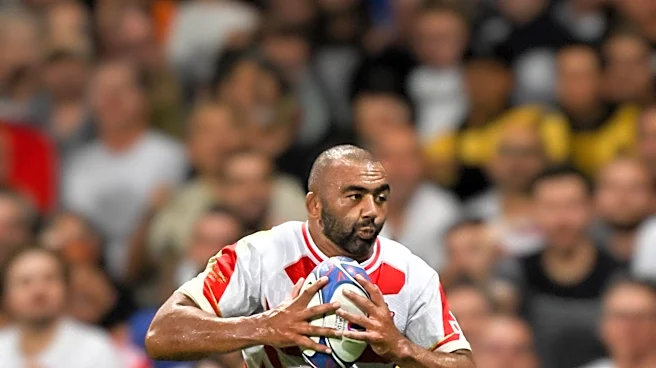
The Scotland national rugby team has made ten alterations to its starting lineup for the upcoming Nations Championship match against Japan. Head coach Gregor Townsend has introduced significant changes, including Ollie Leatherbarrow earning his first
start at number eight and Liam McConnell being selected at blind-side flanker. Other notable changes include Rory Hutchinson and Stafford McDowall as centers, Kyle Rowe on the left wing, and Ollie Smith at full-back. Positional switches see Jamie Dobie and Tom Jordan moving to scrum-half and fly-half, respectively. Several key players, including Finn Russell, Huw Jones, Kyle Steyn, and Ewan Ashman, are being rested. Injuries have also impacted the squad, with Ben White, Jack Dempsey, and Scott Cummings sidelined, and captain Sione Tuipulotu continuing his recovery from a knee problem. Rory Darge will lead the side in Tuipulotu's absence. The team currently sits fourth in the northern hemisphere table as they approach the final round of fixtures before the tournament's finals weekend.
Why It's Important?
These extensive changes to the Scotland squad are significant for several reasons. Firstly, they indicate a strategic approach by Head Coach Gregor Townsend to manage player fatigue and provide opportunities for new talent, particularly with Ollie Leatherbarrow making his debut start. This rotation could be crucial for player development and maintaining squad depth throughout a demanding international schedule. Secondly, the absence of key players due to rest or injury, such as Finn Russell and Sione Tuipulotu, will test the team's resilience and the effectiveness of its backup players. The performance of the new lineup against Japan will be a critical indicator of Scotland's overall strength and adaptability. With Scotland currently fourth in the northern hemisphere table, the outcome of this match could influence their final standing and momentum heading into future competitions. The match also serves as a valuable opportunity for less experienced players to gain international exposure, which is vital for the long-term health and competitiveness of the national team.
What's Next?
Following this match against Japan, Scotland will conclude the final round of fixtures before the inaugural Nations Championship's finals weekend. The performance of the new lineup will likely inform future selection decisions by Head Coach Gregor Townsend, particularly regarding the integration of newer players like Ollie Leatherbarrow. The team's standing in the northern hemisphere table will be finalized, determining their position for the tournament's concluding stages. Key players who are currently rested, such as Finn Russell, are expected to return for future high-stakes matches, while injured players like Sione Tuipulotu will continue their rehabilitation with an aim to rejoin the squad. The results and individual player performances in this game will be closely scrutinized as Scotland prepares for upcoming international rugby commitments and assesses its overall squad depth and strategic direction.
Beyond the Headlines
The decision to implement such widespread changes in the Scotland squad, including resting established stars and introducing new players, reflects a broader trend in modern professional rugby towards strategic squad management. This approach aims to balance immediate competitive success with long-term player welfare and development. By providing opportunities for emerging talents like Ollie Leatherbarrow, the coaching staff is investing in the future of Scottish rugby, ensuring a pipeline of skilled players. This strategy also acknowledges the physical demands of the sport, aiming to prevent burnout and reduce injury risks among key players. The success of this rotational policy will be a testament to the depth of talent within Scottish rugby and the effectiveness of its development pathways. It also highlights the increasing importance of tactical squad rotation in international rugby, where the goal is not just to win individual matches but to sustain competitiveness over extended periods and multiple tournaments.