








What's Happening?
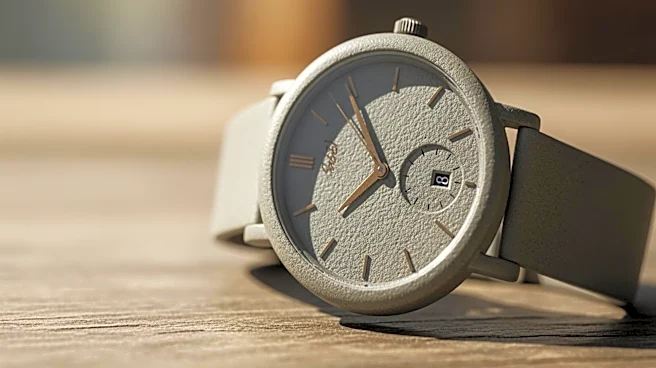
KIWAME TOKYO ASAKUSA, a Japanese watch brand, has introduced a new collection called KUBO, which embodies the wabi-sabi aesthetic. This collection features three models: USUKI, TETSUKON, and SAKURA, each priced at $630 USD. The watches are characterized
by their lacquer dials and a unique recessed small-seconds display, which lacks traditional markings and instead relies on shadow and depth. The design is inspired by the Japanese character 'KUBO', meaning a hollow or recessed space, reflecting the brand's connection to Tokyo's Asakusa district. The collection will be available starting June 21.
Why It's Important?
The launch of the KUBO collection highlights a growing trend in the watch industry towards embracing traditional aesthetics and craftsmanship. By incorporating wabi-sabi principles, KIWAME TOKYO ASAKUSA is tapping into a niche market that values simplicity and the beauty of imperfection. This approach not only differentiates the brand in a competitive market but also appeals to consumers seeking unique and culturally rich products. The collection's emphasis on subtlety and detail may influence other brands to explore similar design philosophies, potentially leading to a broader appreciation of traditional Japanese aesthetics in global markets.
What's Next?
As the KUBO collection becomes available, it will be interesting to observe consumer reactions and sales performance. The success of this collection could encourage KIWAME TOKYO ASAKUSA to expand its offerings or inspire collaborations with other brands interested in Japanese design. Additionally, the watch industry may see an increase in products that incorporate cultural and historical elements, as brands seek to differentiate themselves in a crowded market. The reception of the KUBO collection could also influence future design trends, encouraging a shift towards more minimalist and culturally inspired timepieces.
Beyond the Headlines
The KUBO collection's focus on wabi-sabi aesthetics raises questions about the role of cultural heritage in modern design. By drawing on traditional Japanese principles, KIWAME TOKYO ASAKUSA is not only preserving cultural practices but also introducing them to a global audience. This approach highlights the potential for cultural exchange and the importance of maintaining authenticity in design. As consumers become more interested in the stories behind products, brands that successfully integrate cultural elements may gain a competitive edge, fostering a deeper connection with their audience.