




What's Happening?
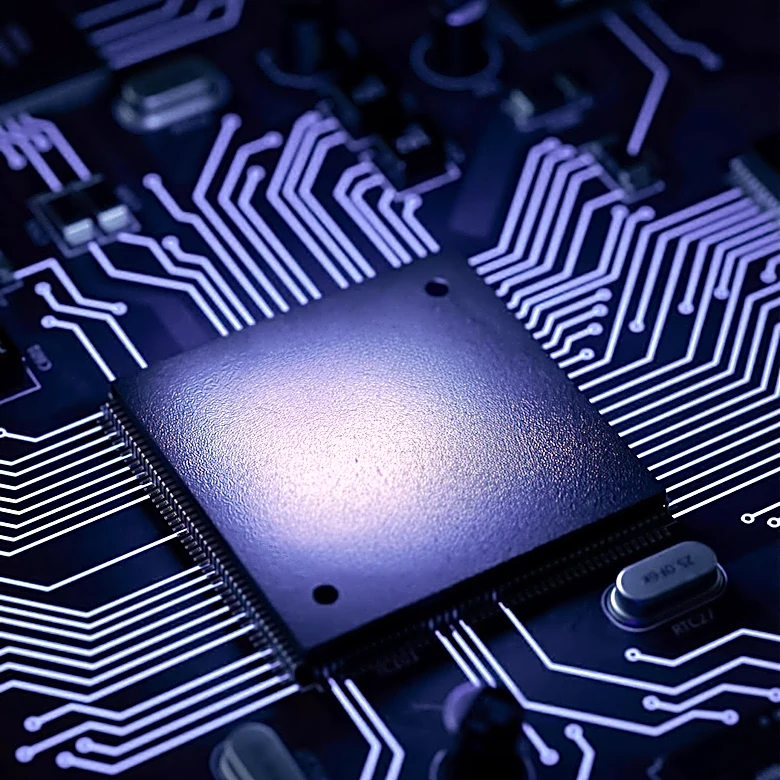
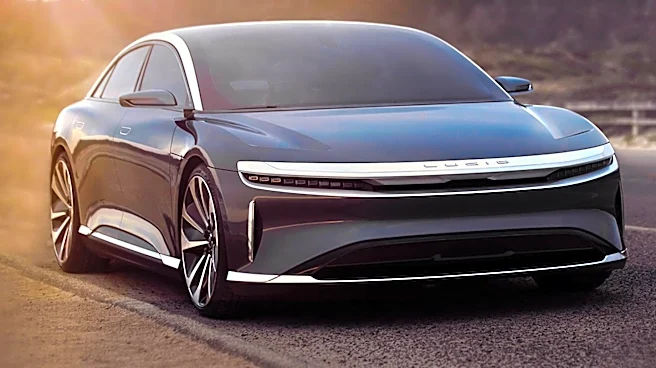
Modern electronics, particularly electric vehicles, rely heavily on Multi-Layer Ceramic Capacitors (MLCCs), with a single EV like the Tesla Model 3 containing approximately 10,000 MLCCs. While MLCC datasheets present ideal performance, experienced engineers
encounter significant discrepancies in real-world circuits. Factors such as DC bias, temperature, aging, package size, and Equivalent Series Resistance (ESR) can drastically reduce the effective capacitance of MLCCs, leading to issues like ripple, unstable regulators, and validation failures. For instance, a 22 µF MLCC specified in a Bill of Materials (BOM) can lose over half its effective capacitance under normal DC bias. This phenomenon is not due to manufacturing defects but rather inherent characteristics of modern MLCCs that are often overlooked during the design phase. The article highlights that the capacitor value printed on the reel frequently differs from the value experienced in actual hardware, necessitating thorough validation under operational conditions.
Why It's Important?
The disparity between theoretical and real-world MLCC performance has critical implications for U.S. industries, particularly in automotive, consumer electronics, and aerospace and defense sectors that heavily utilize these components. Inaccurate assumptions about MLCC behavior can lead to costly redesigns, production delays, and product failures. For example, in electric vehicles, where MLCCs are abundant, performance degradation can impact power integrity, system stability, and overall vehicle reliability. Engineers must account for factors like DC bias derating, temperature effects, and aging to prevent issues that could compromise product functionality and safety. The need for rigorous validation before finalizing designs is paramount to ensure the stability and longevity of electronic systems, affecting both manufacturers' reputations and consumer trust in advanced technologies.
What's Next?
To mitigate these challenges, engineers are advised to validate MLCC performance under actual operating conditions rather than relying solely on nominal datasheet values. This involves verifying real capacitance under DC bias, assessing package size implications, evaluating temperature stability, and considering aging characteristics over the product's lifetime. Tools like Octopart are recommended for parametric searches to compare MLCC specifications across different voltage ratings, dielectric types, and package sizes. Furthermore, engineers should check ESR and power integrity, especially when replacing other capacitor types, and address supply chain risks by qualifying alternate parts from multiple manufacturers. Proactive validation and diversified sourcing strategies are crucial to prevent late-stage redesigns, production issues, and potential product recalls.
Beyond the Headlines
The challenges with MLCCs underscore a broader issue in modern engineering: the increasing complexity of electronic components and the need for a more dynamic approach to design. The article suggests that capacitors should be treated as dynamic components with variable values rather than fixed, ideal ones. This shift in perspective is essential for developing robust and reliable electronic systems, particularly as devices become smaller, more powerful, and operate in diverse environments. The emphasis on thorough validation and understanding the nuanced behavior of components like MLCCs highlights the ethical responsibility of engineers to ensure product safety and performance. It also points to the need for continuous education and advanced tools to bridge the gap between theoretical component specifications and their real-world application, fostering innovation while minimizing risks in the rapidly evolving electronics industry.