






What's Happening?
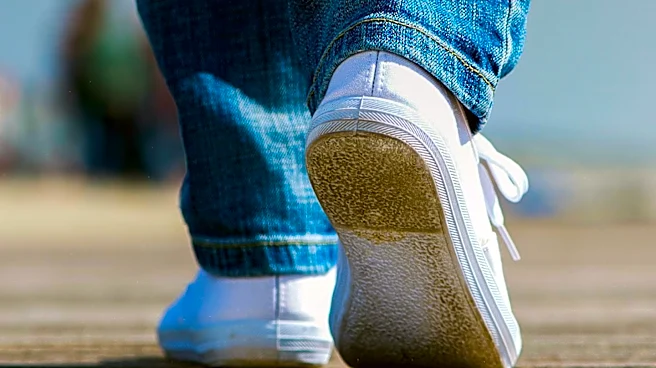
Dr. Ebonie Vincent, a foot and ankle surgeon, advises a daily regimen of elevating and stretching legs and feet for at least 15 minutes to combat pain and swelling. This recommendation is particularly relevant given that prolonged standing and walking
can lead to fluid pooling in the lower extremities, causing discomfort and limiting mobility. The Cleveland Clinic notes that such swelling can make shoes feel tight and hinder movement. Dr. Vincent highlights that factors like shoe shape, foot shape (especially flat feet), and extended periods of standing or walking contribute to pain in the arches, balls of the feet, and heels. This pain can subsequently lead to reduced mobility and potential injuries as other muscles compensate for foot discomfort. Additionally, the natural degradation of the fat pad cushioning the feet with age contributes to soreness and stiffness.
Why It's Important?
The daily practice of elevating and stretching feet and legs is crucial for maintaining overall foot health and preventing more severe issues. Poor foot health can significantly impact an individual's ability to perform daily tasks and maintain an active lifestyle. When feet and legs are constantly under strain, the body's circulation, particularly the leg veins working against gravity to return blood to the heart, can be compromised. Addressing swelling through elevation helps reverse the effects of gravity, while stretching provides much-needed relief to muscles and improves flexibility. Neglecting these simple practices can lead to chronic pain, limited mobility, and a higher risk of injuries, as the body attempts to compensate for foot discomfort, potentially affecting other joints and muscles.
What's Next?
Individuals experiencing foot pain and swelling are encouraged to adopt Dr. Vincent's recommended daily routine. This involves elevating the feet above heart level for 15-30 minutes, ideally with an ice pack for added relief, and performing a specific calf stretch three times a day, three times in a row, holding each stretch for 30 seconds. For those who anticipate long periods of standing, wearing compression socks with a tightness range of 15-20 mmHg is suggested as a preventative measure. Adhering to these simple, free practices can lead to significant improvements in comfort and mobility, potentially reducing the need for more intensive interventions in the future.
Beyond the Headlines
The emphasis on simple, accessible self-care practices like stretching and elevation underscores a broader shift towards preventative health and personal responsibility in managing common ailments. In a society where many professions require prolonged standing or walking, and with an aging population, foot health is becoming an increasingly important aspect of overall well-being. The 'rule of threes' for stretching—three times a day, three repetitions, 30-second holds—provides a clear, actionable framework that can be easily integrated into busy schedules. This approach highlights how small, consistent efforts can yield substantial health benefits, reducing reliance on medical interventions and improving quality of life.