




What's Happening?
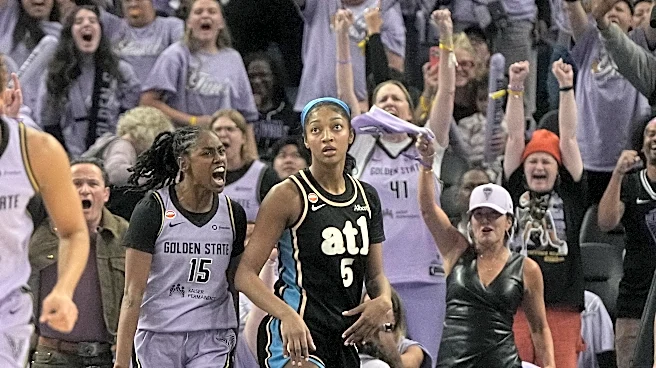
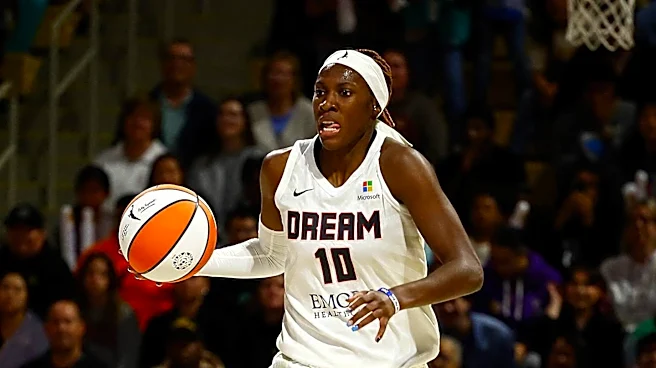
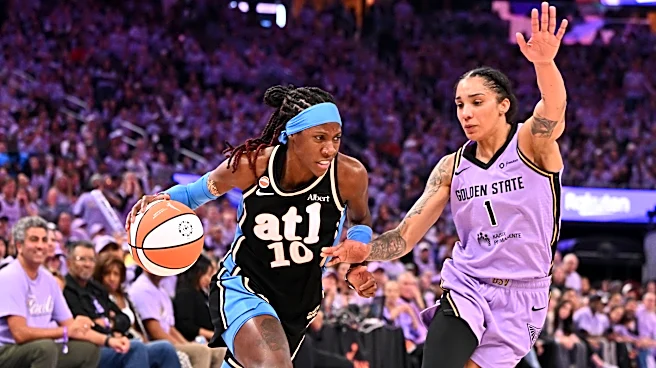
The National Basketball Association (NBA) is under scrutiny for its role in a scheduling conflict that has led to a Women's National Basketball Association (WNBA) Finals game being held during a suboptimal afternoon slot. Specifically, Game 6 of the WNBA Finals in Atlanta
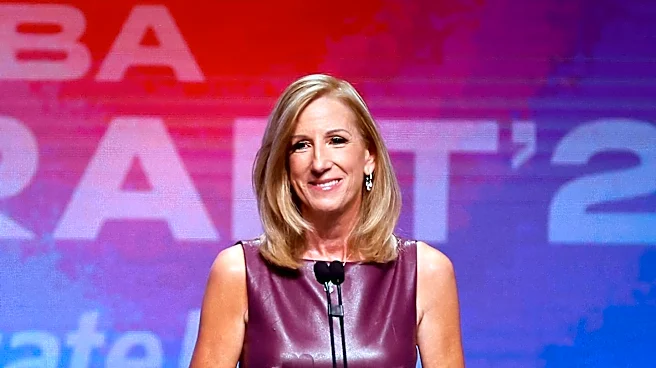
is scheduled for a 12:30 p.m. ET tip-off, a decision that critics argue undermines the WNBA's efforts to gain a wider audience and maximize its growing value. This scheduling issue arose despite the WNBA knowing since late September that Games 3, 4, and 6 of the Finals would be held in either Brooklyn or Atlanta. While the New York Liberty, who share ownership and an arena with the NBA's Brooklyn Nets, could manage such conflicts, the Atlanta Dream are not affiliated with the Atlanta Hawks, creating logistical challenges for arena availability. The WNBA's commissioner, Cathy Engelbert, and the league's brain trust are also implicated in this 'snafu,' but the primary criticism is directed at the NBA, which holds significant executive stewardship over the WNBA and its owners control 42% of the league.
Why It's Important?
This scheduling blunder is significant because it highlights a perceived lack of commitment from the NBA to fully promote and capitalize on the WNBA's increasing value. The WNBA is currently valued at $5.5 billion, indicating its status as a valuable asset and a 'moneymaker.' By scheduling a crucial Finals game in an afternoon slot, the NBA is seen as failing to provide the WNBA with a platform fitting its promise and potential. This decision could hinder the league's ability to attract a larger television audience and further grow its fan base, especially at a time when women's sports are experiencing significant momentum. The situation raises questions about whether the NBA views the WNBA as a truly marketable product or merely as a secondary league. Critics argue that if the NBA genuinely wants the WNBA to grow, it should be willing to make concessions, such as rescheduling its own regular-season games, to ensure the WNBA Finals receive prime-time exposure.
What's Next?
The immediate consequence is that Game 6 of the WNBA Finals will proceed in its afternoon slot, potentially limiting its viewership. Moving forward, this incident could intensify calls for the NBA to re-evaluate its approach to managing and promoting the WNBA. Stakeholders, including fans, media, and potentially WNBA team owners, may pressure the NBA to implement more robust contingency plans and prioritize optimal scheduling for future WNBA championship events. The situation also underscores the need for greater synergy and cooperation between WNBA teams and their NBA counterparts, particularly in cities where they do not share ownership or arena facilities. The NBA's response to this criticism and its future actions regarding WNBA scheduling will be closely watched as the women's league continues its growth trajectory.
Beyond the Headlines
This incident delves into the deeper implications of how established sports leagues manage and support their emerging counterparts, particularly in the context of gender. It raises questions about whether the NBA's actions align with its stated desire for the WNBA's growth, or if underlying biases or priorities still relegate women's sports to a lesser status. The 'performative equality' mentioned in the source suggests a skepticism about the NBA's genuine commitment to showcasing women's sports as a premier event. The comparison to how a hypothetical Caitlin Clark Finals game might be prioritized over an NBA regular-season game highlights a potential double standard. This situation could trigger broader discussions about equitable resource allocation, marketing strategies, and the power dynamics within professional sports organizations, ultimately influencing the long-term trajectory and public perception of women's professional basketball.