






What's Happening?
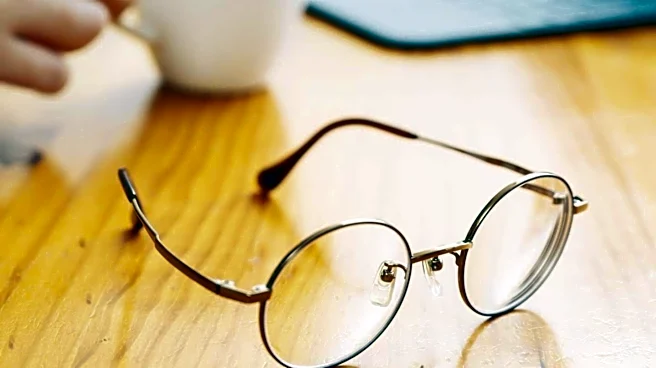
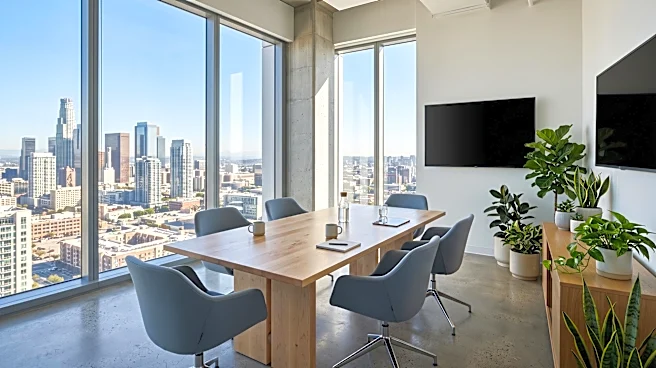
Shamir Lenses are offering specialized lens designs to address the unique visual demands of hybrid work environments, where individuals frequently shift focus between near, intermediate, and far distances. Traditional lens designs often prioritize near and far vision,
but a significant portion of a hybrid workday involves intermediate distances, such as computer monitors, video calls, and conference tables. Limited clear space in this intermediate range can lead to discomfort, forcing individuals to adjust their posture or head position. Shamir has developed various lens options, including Shamir Autograph Intelligence™ for all-day routines with enhanced intermediate support, Shamir Workspace™ which concentrates on broad near and intermediate vision for intensive computer tasks, and Shamir Relax™ for single-vision wearers needing support for digital devices. These designs aim to reduce eye strain, neck discomfort, and visual effort associated with prolonged screen time and varied visual tasks.
Why It's Important?
The increasing prevalence of hybrid work models has created new challenges for eye health, as employees spend more time interacting with digital screens and frequently changing their visual focus. This can lead to digital eye strain, fatigue, and discomfort, impacting productivity and overall well-being. Shamir's specialized lenses represent an important development in addressing these modern visual needs, offering tailored solutions that go beyond traditional prescriptions. By providing lenses optimized for intermediate vision and specific work tasks, the company is responding to a growing market demand driven by the shift in work patterns. This innovation can significantly improve the daily experience of hybrid workers, potentially reducing health-related issues and enhancing their ability to perform tasks efficiently, thereby contributing to a more comfortable and productive workforce in the U.S.
What's Next?
As hybrid work continues to evolve, the demand for specialized eyewear solutions like Shamir's is likely to grow. Eye care professionals will increasingly need to assess individual visual routines, including screen distances, screen sizes, and hours of close focus, to recommend the most appropriate lens designs. The development of more personalized and adaptive lens technologies, potentially leveraging artificial intelligence further, could become a key trend. Consumers will be encouraged to identify their most challenging distance changes during their day to help eye care providers match them with suitable lens options. This focus on customized visual solutions will likely lead to further advancements in lens technology, aiming to provide seamless transitions and optimal clarity across all visual zones encountered in a dynamic hybrid work setting.
Beyond the Headlines
The focus on specialized lenses for hybrid work highlights a broader societal adaptation to technology-driven changes in daily life. Beyond physical comfort, unaddressed digital eye strain can have long-term implications for visual health and cognitive function. The development of these lenses underscores the importance of ergonomic considerations not just in physical workspaces but also in digital interactions. This trend could also influence workplace wellness programs, with employers potentially offering or subsidizing specialized eyewear as part of employee benefits. Furthermore, the integration of AI in lens design, as seen with Shamir Autograph Intelligence™, points to a future where personalized health solutions are increasingly informed by advanced algorithms, moving beyond one-size-fits-all approaches to cater to individual physiological and lifestyle needs. This signifies a deeper integration of technology into personal health management.