








What's Happening?
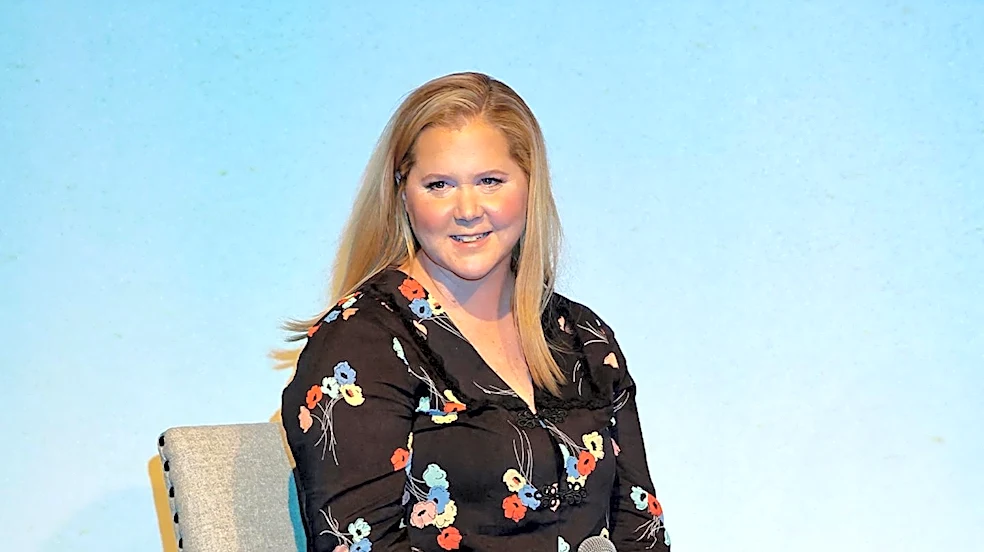
Actress Christina Applegate has announced that she was misdiagnosed with multiple sclerosis (MS) five years ago. The revelation came during an episode of her MS-themed podcast, 'MeSsy,' which she co-hosts with Jamie Lynn Sigler. Applegate expressed her shock
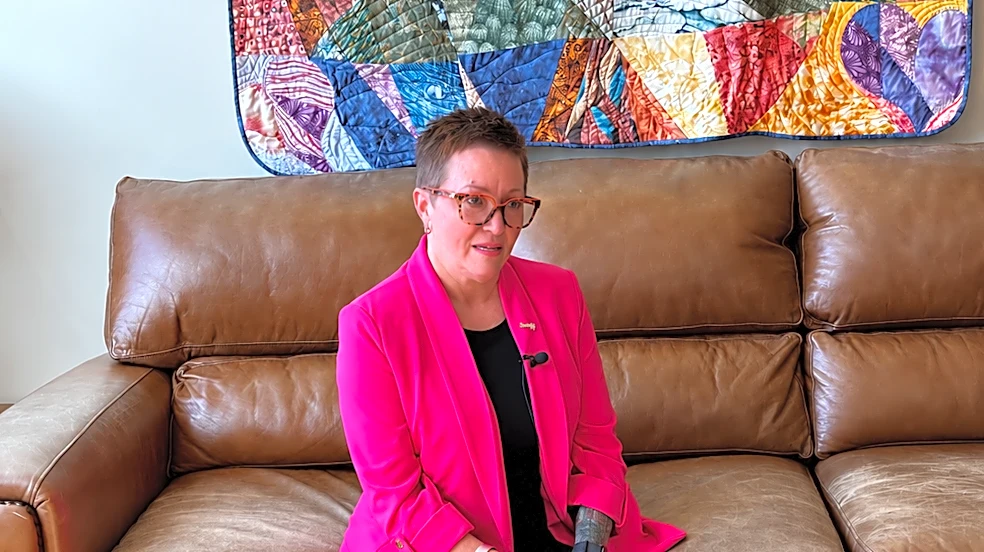
and confusion over the news, stating that while others were happy, she felt a sense of loss and frustration. Despite the misdiagnosis, she continues to experience debilitating symptoms, describing her current state as 'the same game with a different name.' Dr. Marwa Kaisey, a neurologist from Cedars-Sinai Medical Center, who appeared on the podcast, confirmed that MS misdiagnoses are 'fairly common' due to the lack of a single definitive test for the disorder. According to Dr. Kaisey, nearly one in five individuals diagnosed with MS, some for decades, did not actually have the condition, with many having been on medication to treat it.
Why It's Important?
This misdiagnosis highlights a significant issue within the medical community regarding the diagnostic accuracy of complex neurological conditions like multiple sclerosis. The fact that MS misdiagnoses are 'fairly common,' affecting nearly 20% of those initially diagnosed, underscores the challenges in identifying the disease, which relies on a list of criteria rather than a single definitive test. For patients, a misdiagnosis can lead to years of unnecessary and potentially harmful treatments, emotional distress, and a delayed search for the actual cause of their symptoms. Applegate's experience, where she felt she 'lost everything' and her life was 'stopped' due to the initial diagnosis, illustrates the profound personal and professional impact. It also raises questions about the psychological toll on individuals who identify with a condition and then have that identity removed, leaving them without a clear explanation for their ongoing health struggles. This situation could prompt a re-evaluation of diagnostic protocols and increased awareness among both medical professionals and patients about the complexities of MS diagnosis.
What's Next?
Following the revelation of her misdiagnosis, Christina Applegate expects her doctors to conduct a thorough investigation into the cause of her ongoing symptoms and why the initial misdiagnosis occurred. She emphasized that despite the new information, her physical condition has not improved, and she still requires assistance like wheelchairs. The podcast 'MeSsy' is expected to continue, with Applegate stating that her health journey is 'the same game with a different name,' indicating a continued focus on her experiences and challenges. This situation may lead to increased scrutiny of MS diagnostic practices and potentially encourage medical institutions to review and refine their protocols for diagnosing complex neurological disorders. For Applegate, the immediate future involves seeking a correct diagnosis and appropriate treatment for her persistent health issues, while also navigating the emotional and psychological impact of this significant medical reversal.
Beyond the Headlines
Christina Applegate's misdiagnosis with multiple sclerosis carries deeper implications beyond her personal health journey. It sheds light on the broader ethical and psychological challenges faced by individuals living with chronic, often invisible, illnesses. Applegate's feeling of having 'let everybody down' as a 'poster child for MS' after her misdiagnosis reveals the complex relationship between personal identity, public advocacy, and medical conditions. This situation could trigger a wider conversation about the responsibility of public figures in health advocacy and the potential for unintended consequences when diagnoses are later overturned. Furthermore, the prevalence of MS misdiagnoses, as highlighted by Dr. Kaisey, points to systemic issues in medical diagnostics, potentially leading to a re-evaluation of how such conditions are identified and communicated to patients. The emotional and financial burden of years of incorrect treatment and the subsequent search for a new diagnosis represent a significant, yet often overlooked, aspect of healthcare. This event underscores the need for greater diagnostic precision and comprehensive support systems for patients navigating uncertain health landscapes.