



What's Happening?
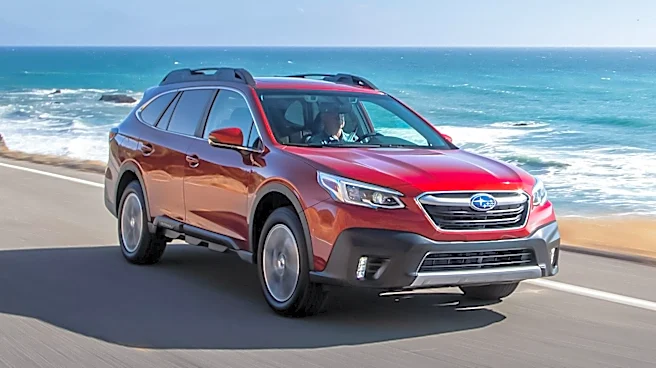
Subaru of America, Inc. has revealed the pricing for its 2027 Subaru Outback model lineup, introducing a new entry-level trim starting at $32,995 MSRP. This new base model aims to enhance affordability and value, lowering the entry price for the Outback series
by $2,000 compared to the 2026 model. The company states that this new trim offers higher content levels than the previous generation without compromising technology, capability, or driver-assistance features. Across most trim levels, the MSRP for the 2027 Subaru Outback lineup has been adjusted, with an average reduction of $1,000. Jeff Walters, President and COO of Subaru of America, Inc., emphasized the company's commitment to providing affordable, safe, and reliable vehicles. The new entry-level 2027 Subaru Outback will include a 12.1-inch Subaru Multimedia System, a 12.3-inch full digital instrument cluster, EyeSight® Driver-Assist Technology, DriverFocus® Distraction Mitigation System, heated front seats, and 8.7 inches of ground clearance as standard. The 2027 Subaru Outback SUV is expected to arrive at retailers later this year.
Why It's Important?
This strategic pricing adjustment by Subaru of America is significant for the U.S. automotive market, particularly for consumers seeking value and advanced features in the SUV segment. By lowering the entry price and reducing MSRPs across most trims, Subaru aims to attract a broader customer base, including families and new car buyers who are budget-conscious but still desire modern technology and safety. The inclusion of advanced features like the 12.1-inch multimedia system and EyeSight® Driver-Assist Technology as standard in the entry-level model could set a new benchmark for affordability in equipped vehicles. This move could intensify competition within the mid-size SUV market, potentially prompting other manufacturers to re-evaluate their pricing and standard feature offerings to remain competitive. For Subaru, it represents an effort to boost sales and market share, especially after a period where year-to-date sales were slightly down, as indicated by a 6% increase in October sales led by Crosstrek and Forester.
What's Next?
The 2027 Subaru Outback SUV is scheduled to arrive at U.S. retailers later this year. Following its release, market observers will closely monitor sales figures to assess the effectiveness of Subaru's new pricing strategy and the appeal of the enhanced entry-level model. Competitors in the SUV segment will likely analyze Subaru's sales performance and customer reception to determine if similar adjustments are needed in their own lineups. Consumers can expect to see increased marketing efforts highlighting the affordability and advanced features of the new Outback. Additionally, the introduction of new exterior colors like Sand Dune Pearl, Daybreak Blue Pearl, and Snowfall White Silica, along with new standard features in higher trims such as Highway Hands-Free Driving Assist in the Outback Limited XT, will be key selling points. The overall impact on Subaru's market position and its ability to attract new buyers will become clearer in the coming months.
Beyond the Headlines
Subaru's decision to prioritize affordability and value with the 2027 Outback lineup reflects a broader trend in the automotive industry where manufacturers are balancing technological advancements with consumer purchasing power. In an economic climate marked by inflation and rising costs, offering more content at a lower price point can be a crucial differentiator. This move also underscores Subaru's commitment to its 'Love Promise' vision, which includes supporting communities and customers nationwide by providing accessible and reliable transportation. The emphasis on standard safety and driver-assistance features, even in the base model, highlights a growing industry-wide focus on making advanced safety technologies more ubiquitous. This could contribute to a long-term shift where such features are no longer considered premium add-ons but rather essential components of any new vehicle, influencing consumer expectations and regulatory discussions around vehicle safety standards.