




What's Happening?
Contrast therapy, which involves alternating between hot and cold exposures, is gaining recognition for its potential benefits, particularly in reducing post-exercise muscle soreness. While claims of rapid muscle repair or toxin removal lack strong scientific
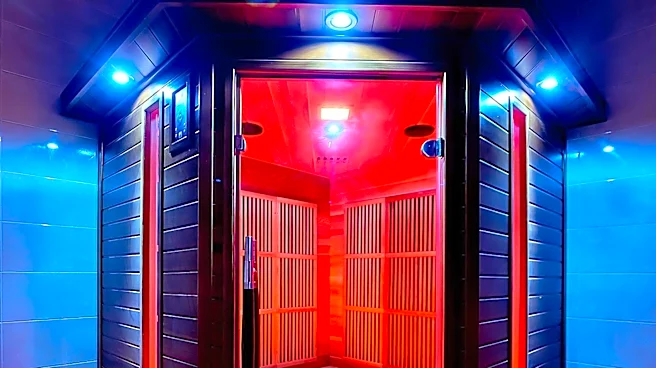
backing, the practice has been shown to alleviate discomfort after strenuous physical activity. The physiological explanation for increased alertness often reported after cold exposure is linked to the activation of the sympathetic nervous system and the release of catecholamines, chemical messengers involved in the body's stress response. Neuroscientist Andrew Huberman notes that cold exposure can shift one's mental state. The combination of hot and cold creates a more pronounced sensory change than either alone, contributing to its appeal. Historically, practices similar to contrast therapy, such as sauna bathing followed by cold water immersion or rolling in snow, have been common in Northern Europe. Modern applications extend to exercise recovery and general well-being, with individuals using it to de-stress or invigorate their mornings.
Why It's Important?
The growing interest in contrast therapy highlights a broader societal trend towards exploring non-pharmacological methods for physical recovery and mental well-being. For athletes and individuals engaged in demanding physical activities, the ability to reduce delayed-onset muscle soreness can significantly impact training schedules and performance. This could lead to increased adoption of contrast therapy techniques in sports medicine and fitness routines, potentially influencing the market for related products like cold plunge tubs and saunas. The reported boost in alertness and mood, attributed to neurochemical responses, suggests potential applications beyond physical recovery, possibly impacting workplace productivity and general mental health strategies. However, it's crucial to differentiate between anecdotal experiences and scientifically proven benefits, as the research on long-term health impacts and specific mechanisms is still developing. The emphasis on immediate sensory changes and personal well-being underscores a shift towards holistic approaches to health.
What's Next?
As research continues to explore the specific benefits and mechanisms of contrast therapy, further studies are needed to establish its efficacy in various contexts, particularly regarding long-term health outcomes and mental health conditions. The current evidence primarily supports its role in reducing post-exercise soreness, but more rigorous comparisons with other recovery methods are necessary. Individuals interested in trying contrast therapy are advised to start gradually, using familiar forms of heat and cool showers before progressing to more intense cold exposures like ice baths. Medical advice is recommended for those with pre-existing heart or circulatory conditions, blood pressure issues, or other health concerns. The market for home-based contrast therapy equipment, such as cold plunge tubs and portable saunas, may see continued growth as more people seek accessible ways to incorporate these practices into their routines. Educational initiatives will be vital to ensure safe and effective adoption, distinguishing between proven benefits and unsubstantiated claims.
Beyond the Headlines
The appeal of contrast therapy extends beyond its immediate physical effects, touching upon deeper psychological and cultural dimensions. The ritualistic aspect of moving between hot and cold, often practiced in communal settings like saunas, can foster a sense of mindfulness and connection. The deliberate exposure to discomfort, followed by relief, can build mental resilience and a greater awareness of one's body. This practice taps into ancient traditions of hydrotherapy and thermal bathing, suggesting an innate human inclination towards using temperature variations for health and well-being. The distinction between subjective feelings of alertness and scientifically measurable neurochemical changes also raises questions about the placebo effect and the power of expectation in health interventions. As society increasingly seeks natural and holistic approaches to health, contrast therapy represents a fascinating intersection of traditional practices, modern science, and personal well-being, prompting a re-evaluation of how we perceive and manage physical and mental states.