






What's Happening?
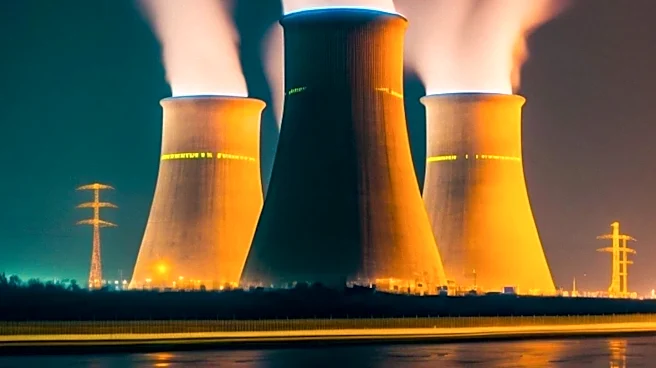
Vistra (NYSE: VST), a major integrated power company, is strategically positioning its nuclear fleet to meet the escalating electricity demands of artificial intelligence (AI) and data center growth. The company has secured long-term agreements to supply
power from its generation assets to significant technology customers, including reported deals with Meta Platforms and Amazon through Amazon Web Services. These multi-decade contracts commit substantial blocks of clean power to computing campuses. Additionally, Vistra has committed capital to a digital infrastructure venture in collaboration with chipmaker Nvidia and a large asset manager, further integrating itself into the AI infrastructure supply chain. Vistra's diverse generation portfolio, encompassing natural gas, nuclear, coal, solar, and battery storage, along with its retail electricity business, allows it to provide flexible and reliable power solutions, particularly in regions like Texas and the PJM market, which are experiencing rapid data center development.
Why It's Important?
The surge in AI and data center demand is creating a significant and growing need for reliable, clean, and continuous power, making Vistra's strategic alignment crucial for both the energy sector and the technology industry. Nuclear power, with its 24/7 carbon-free electricity generation, is uniquely suited to meet the stringent requirements of data campuses. By securing long-term power purchase agreements with tech giants, Vistra ensures stable demand for its generation capacity and gains predictable revenue streams. For technology companies, these agreements are vital for securing the necessary power to build and operate new AI campuses, where power availability has become a critical constraint. This trend highlights the increasing interdependence between energy providers and the tech sector, as the digital economy's expansion directly translates into higher electricity consumption, particularly for advanced computing workloads requiring clean energy sources.
What's Next?
Vistra is expected to continue integrating its generation assets, especially its nuclear fleet, with the growing needs of the AI and data center industries. The company's ongoing commitment to digital infrastructure ventures and its ability to offer a flexible power platform will likely attract more technology customers seeking reliable and sustainable energy solutions. As new data centers are planned and constructed, Vistra's presence in key markets like Texas and the PJM region positions it to capitalize on this demand. The company's management has indicated that some large agreements are not yet fully reflected in current projections, suggesting potential for future upside as these deals are formalized and integrated. This strategic focus will likely drive further investments in its diverse generation portfolio to meet future energy requirements and maintain its competitive edge in the evolving power market.
Beyond the Headlines
The deepening ties between Vistra's nuclear fleet and the AI data center industry underscore a fundamental shift in how energy is valued and consumed in the digital age. The demand for 'always-on,' carbon-free power for AI operations is elevating the importance of baseload generation sources like nuclear, which can provide consistent output without intermittency. This development could accelerate the re-evaluation of existing nuclear assets and potentially influence future energy policy discussions regarding the role of nuclear power in achieving both energy security and decarbonization goals. Furthermore, the collaboration between energy companies and tech giants in developing digital infrastructure ventures signifies a new model of partnership, where energy providers are becoming integral to the core infrastructure of the computing supply chain, moving beyond traditional power sales to more integrated, long-term strategic alliances. This trend could reshape investment priorities in the energy sector, favoring assets that can reliably support high-demand, clean energy-intensive industries.