








What's Happening?
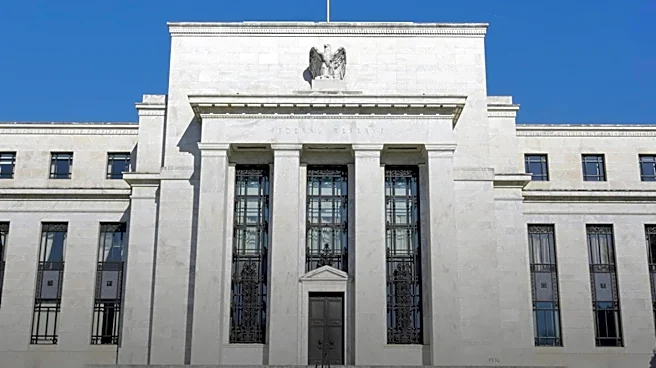
The U.S. Federal Reserve (Fed) raised its target range to 3.75%–4.00% in September, its first hike since 2023, with most officials expecting another increase this year. This action is a traditional response to inflation, aiming to slow demand and the pace
of money growth. However, current inflation is significantly influenced by supply problems, particularly in the energy sector, where gasoline prices rose 34.2% due to Middle East tensions pushing crude oil above $100 a barrel. The Fed's tools are designed for broad economic problems and are most effective when inflation is demand-driven. The Fed has no direct mechanism to increase energy flows or repair damaged refineries, which are key contributors to the current elevated energy prices. Tightening monetary policy in response to an energy shock risks slowing down parts of the economy that are already cooling, while leaving the largest source of inflation, energy, largely unaddressed.
Why It's Important?
This situation underscores a critical challenge for the Federal Reserve: its monetary policy tools are not well-suited to combat inflation stemming from supply-side disruptions. While raising interest rates can cool credit-driven demand, it cannot directly increase the supply of essential goods like oil or resolve logistical bottlenecks. This limitation means that the Fed's actions, while necessary to address some aspects of inflation, may have a disproportionate impact on demand-sensitive sectors of the economy without fully alleviating the core inflationary pressures. Businesses reliant on energy, transportation, and manufacturing could face increased costs and reduced consumer demand simultaneously, leading to a more complex economic environment. The risk of a 'policy error' – where tightening monetary policy exacerbates an economic slowdown without effectively tackling the root causes of inflation – becomes more pronounced. This scenario highlights the need for a multi-faceted approach involving not just monetary policy but also energy policy and fiscal measures to address the current inflationary landscape effectively.
What's Next?
The Federal Reserve's forecasted policy path is not expected to derail economic growth, but if inflation does not make progress towards the 2% target, further rate increases or a prolonged period of elevated rates are likely. If energy prices ease, the Fed may adjust its stance, shifting attention back to slower job growth. However, the more direct remedies for current headline inflation are seen as lying outside the Fed's purview, specifically in increasing the supply of gasoline, diesel, and heating oil, and reducing federal deficit spending. This suggests that the trajectory of inflation will depend more on developments in energy markets and fiscal policy than solely on the Fed's monetary actions. Businesses and consumers should anticipate continued vigilance from the Fed regarding inflation, but also recognize that broader economic relief may require interventions beyond interest rate adjustments.
Beyond the Headlines
The current inflationary episode, heavily influenced by energy supply shocks, exposes a fundamental debate about the scope and limitations of central bank power. It challenges the conventional wisdom that monetary policy alone can effectively manage all forms of inflation. This situation could lead to a re-evaluation of how economic policymakers coordinate their efforts, potentially fostering greater collaboration between monetary authorities, energy regulators, and fiscal bodies. The emphasis on increasing energy supply and reducing federal deficit spending as 'more direct remedies' suggests a growing recognition that a holistic approach is necessary to address complex economic challenges. This could also spark discussions about national energy independence and strategic reserves, as well as the long-term implications of fiscal policy on inflationary pressures, moving beyond the immediate concerns of interest rates.